
Slater’s guides are renowned for their detailed illustrations and comprehensive coverage of Australian birds‚ aiding identification through nuanced plumage and habitat details․
Historical Significance of Slater’s Guides
Slater’s Australian Bird Field Guides‚ initially compiled by Ralph Slater‚ hold a pivotal place in ornithological history․ First published in 1970‚ these guides revolutionized bird identification for Australian enthusiasts․ Prior to Slater‚ accurate and accessible field guides were scarce‚ hindering widespread birdwatching․
Slater’s meticulous approach‚ combining detailed illustrations with concise species accounts‚ set a new standard․ Subsequent editions‚ updated by others‚ maintained this legacy‚ becoming essential tools for generations of birders and researchers‚ fostering a deeper connection with Australia’s avian biodiversity․
Why a Field Guide is Essential for Birding
A field guide‚ like Slater’s‚ transforms birdwatching from casual observation into informed identification․ Australia’s diverse avian fauna – over 800 species – demands a reliable reference for distinguishing subtle differences in plumage‚ size‚ and behavior․
Without a guide‚ identifying birds accurately becomes incredibly challenging․ Slater’s provides crucial details‚ enabling birders to confidently name species‚ understand their habitats‚ and appreciate the intricacies of the natural world‚ enhancing the overall birding experience․

Understanding Australian Bird Diversity
Australia boasts remarkable bird diversity‚ featuring unique families like honeyeaters and bowerbirds‚ expertly detailed within Slater’s guide for comprehensive study․
Endemic Bird Families of Australia
Slater’s Field Guide meticulously showcases Australia’s unique avian families․ The guide expertly details the vibrant honeyeaters‚ known for their specialized tongues and nectar-feeding habits‚ alongside the fascinating bowerbirds‚ celebrated for their elaborate courtship displays and constructed “bowers․”
Furthermore‚ it covers the distinctive parrot family‚ including cockatoos and budgerigars‚ and the lyrebirds‚ famed for their incredible mimicry skills․ Slater’s provides detailed species accounts‚ plumage descriptions‚ and distribution maps‚ crucial for identifying these endemic treasures and understanding their ecological roles within the Australian landscape․
Key Habitats and Bird Distribution
Slater’s Field Guide highlights the diverse habitats shaping Australian birdlife․ It details species distribution across rainforests‚ eucalyptus woodlands‚ arid deserts‚ and coastal wetlands․ The guide illustrates how specific birds are adapted to these environments‚ from the mallee fowl in scrublands to seabirds along the coast․
Slater’s maps showcase migratory patterns and breeding ranges‚ crucial for understanding seasonal variations․ It emphasizes the impact of habitat loss on bird populations‚ promoting conservation awareness․ Detailed descriptions link species to their preferred environments‚ aiding accurate identification based on location․
Using the Slater Field Guide Effectively
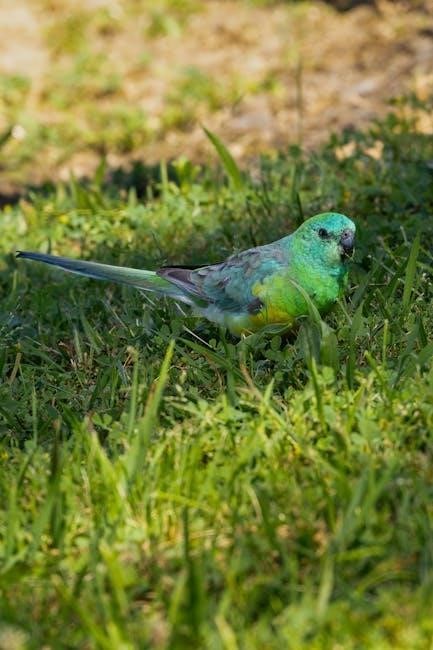
Slater’s excels with its clear layout‚ detailed species accounts‚ and illustrative plates‚ enabling birders to quickly and accurately identify Australian avian species․
Guide Layout and Organization
Slater Field Guides are meticulously organized for practical use in the field․ Species are generally arranged taxonomically‚ reflecting evolutionary relationships‚ though some editions incorporate groupings based on habitat or visual similarity for quicker reference․
Each species account typically begins with a concise description‚ followed by detailed illustrations showcasing plumage variations – crucial for identifying subtle differences․ Range maps clearly depict distribution‚ while notes on habitat‚ behavior‚ and vocalizations complete the profile․
The guide’s introductory sections cover essential birding techniques‚ plumage terminology‚ and a glossary of ornithological terms‚ making it accessible to both novice and experienced birdwatchers․
Understanding the Species Accounts
Slater Field Guide species accounts prioritize concise‚ yet comprehensive information․ Descriptions detail key plumage features – noting variations between sexes and age groups – alongside size and shape indicators․ Crucially‚ they highlight distinguishing characteristics to avoid confusion with similar species․
Range maps illustrate breeding‚ wintering‚ and migratory patterns‚ while habitat notes pinpoint likely locations․ Behavioral descriptions cover foraging habits and social interactions․ Vocalization summaries‚ though brief‚ offer clues for auditory identification․
Conservation status indicators alert users to species of concern‚ promoting responsible birdwatching and awareness․
Key Identification Features
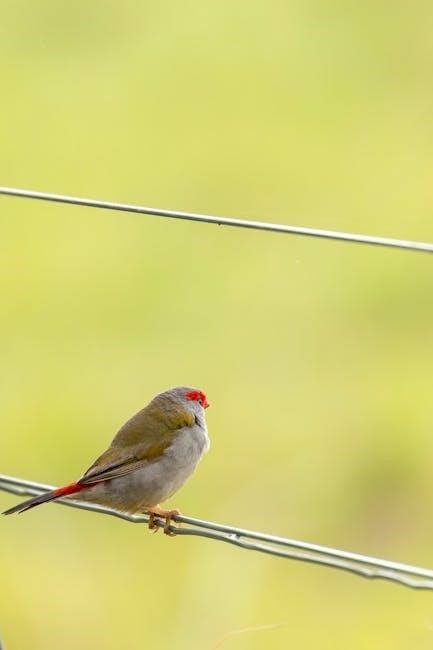
Slater’s guide emphasizes plumage‚ size‚ shape‚ and behavioral cues for accurate Australian bird identification‚ crucial for distinguishing similar species in varied habitats․
Plumage Variations and Molting
Slater’s Field Guide meticulously details plumage variations within Australian bird species‚ acknowledging age‚ sex‚ and seasonal differences; It explains how breeding plumage dramatically differs from non-breeding‚ impacting identification․
The guide also covers molting patterns – the process of feather replacement – noting how incomplete or patchy plumage can mislead observers․ Understanding these cycles is vital‚ as birds appear different during molting․
Slater highlights subtle distinctions‚ like wear patterns on feathers‚ and the influence of diet on coloration‚ providing a nuanced approach to plumage assessment․
Size and Shape as Identification Clues
Slater’s Field Guide emphasizes that size and shape are crucial first steps in Australian bird identification‚ often narrowing possibilities before considering plumage․ It provides comparative size charts‚ relating birds to familiar species․
The guide details subtle shape differences – bill length and thickness‚ leg proportions‚ wing shape – offering visual cues․ It stresses observing the bird’s overall structure in flight and at rest․
Slater encourages comparing silhouettes against known species‚ recognizing that shape can be more reliable than color in challenging conditions․
Vocalizations and Bird Song
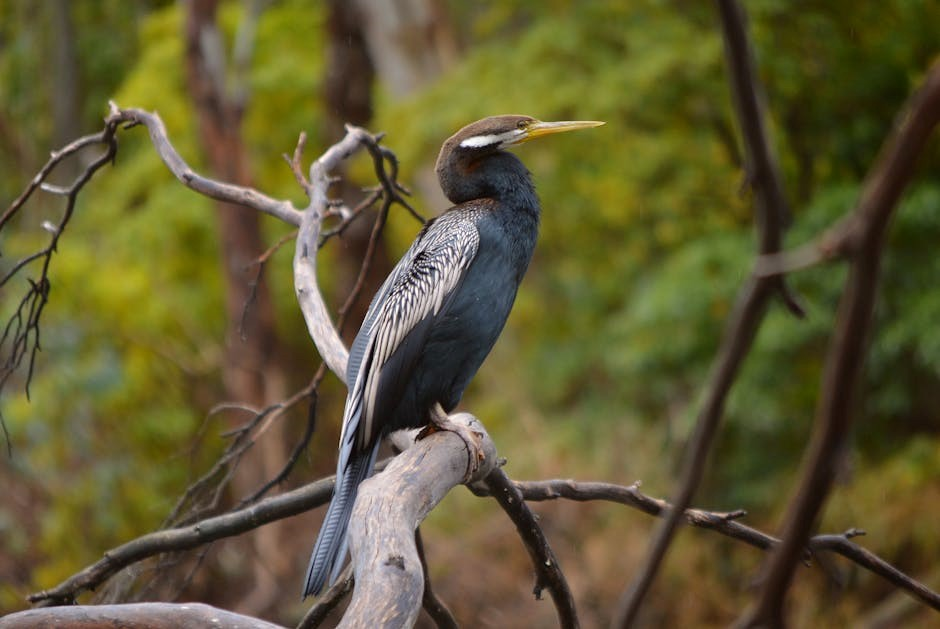
Slater’s guide highlights that Australian bird song is vital for identification‚ offering detailed sonograms and descriptive onomatopoeia for each species’ calls․
Importance of Bird Song in Identification
Slater’s Field Guide emphasizes that visual identification can be challenging due to subtle plumage variations and similar-looking species․ Therefore‚ mastering bird vocalizations becomes crucial for accurate identification in the field․ The guide meticulously details each species’ song‚ calls‚ and variations‚ providing descriptive onomatopoeia to aid learning․
Recognizing bird song allows identification even when birds are hidden within dense foliage‚ enhancing the birdwatching experience․ Slater’s inclusion of sonograms further supports learning‚ visually representing the unique acoustic signatures of each Australian bird species‚ ultimately improving identification skills․
Resources for Learning Australian Bird Calls
While Slater’s Field Guide provides foundational descriptions‚ supplementary resources are vital for mastering Australian bird vocalizations․ Online bird databases‚ such as Birds of Australia (examplelink․com)‚ offer extensive audio recordings and sonograms for comparison․ Dedicated apps like the Australian Bird Guide app provide field recordings accessible on mobile devices․
Furthermore‚ birdwatching organizations frequently host workshops and guided walks focusing on bird song identification․ Utilizing these combined resources alongside Slater’s detailed accounts significantly enhances a birder’s ability to identify species by sound alone․

Specific Bird Groups Covered in the Guide
Slater’s Field Guide meticulously details Australian avian diversity‚ encompassing waterbirds‚ seabirds‚ and the extensive passerine (perching bird) families with precision․
Waterbirds and Seabirds
Slater’s Field Guide provides extensive coverage of Australia’s diverse waterbird and seabird populations․ Detailed species accounts cover everything from majestic pelicans and graceful swans to various shorebirds and oceanic species․ The guide expertly illustrates key identification features‚ including plumage variations across different ages and breeding seasons․
It also highlights habitat preferences‚ distribution maps‚ and crucial distinctions between similar-looking species found in coastal and inland wetland environments․ This section is invaluable for identifying birds in these dynamic ecosystems․
Passerines (Perching Birds)
Slater’s Field Guide dedicates a significant portion to Passerines‚ the largest order of Australian birds․ This section meticulously details the diverse families – from honeyeaters and robins to finches and fantails․ The guide excels in illustrating subtle plumage differences crucial for identifying these often-similar species․
Detailed accounts cover vocalizations‚ habitat preferences‚ and behavioral traits‚ aiding accurate field identification․ Distribution maps pinpoint where to find specific passerines across the continent‚ enhancing birdwatching success․

Conservation Status and Threats
Slater’s Guide highlights Australian birds facing threats‚ detailing conservation status and habitat loss impacts‚ promoting awareness and responsible birding practices․
Birds Listed as Threatened in Australia
Slater’s Field Guide meticulously details numerous Australian birds facing escalating threats‚ categorized by conservation status—Critically Endangered‚ Endangered‚ and Vulnerable․ The guide showcases species like the Regent Honeyeater‚ whose populations are dwindling due to habitat destruction and fragmentation․
It also features the Black-throated Finch‚ impacted by altered grazing regimes‚ and the Western Ground Parrot‚ severely affected by predation and fire․ Slater’s provides crucial information on identifying these vulnerable species‚ aiding conservation efforts by empowering birdwatchers to report sightings and contribute to monitoring programs․
How Field Guides Aid Conservation Efforts
Slater’s Field Guide plays a vital role in Australian bird conservation by facilitating accurate species identification‚ crucial for monitoring population trends and distribution shifts․ Citizen science initiatives heavily rely on informed birdwatchers utilizing the guide to report observations․
This data informs habitat protection strategies and targeted conservation actions․ By raising awareness about threatened species and their habitats‚ Slater’s encourages responsible birdwatching and supports broader conservation advocacy‚ ultimately contributing to the long-term survival of Australian avian biodiversity․
Beyond the Guide: Further Resources
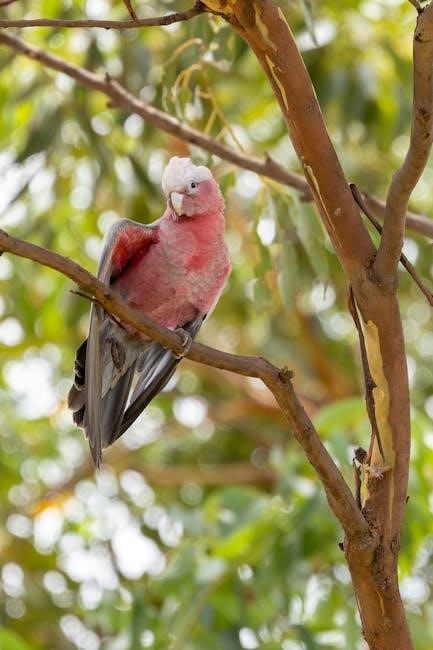
Online databases and birdwatching organizations supplement Slater’s Field Guide‚ offering updated information‚ recordings‚ and community support for Australian bird enthusiasts;
Online Bird Databases and Apps
Numerous digital resources complement the Slater Field Guide‚ providing dynamic updates and expanded information on Australian birds․ Platforms like BirdLife Australia’s online database offer detailed species accounts‚ distribution maps‚ and recent sighting data․ Mobile applications‚ such as the Merlin Bird ID app‚ utilize image and sound recognition to assist with identification in the field․
These apps often include curated bird song libraries‚ enhancing learning and identification skills․ eBird‚ a citizen science project‚ allows users to record observations‚ contributing valuable data to conservation efforts and providing a real-time view of bird distribution across Australia․
Birdwatching Organizations in Australia
Several organizations actively promote birdwatching and conservation across Australia‚ supplementing the knowledge gained from the Slater Field Guide․ BirdLife Australia is a leading national body‚ conducting research‚ advocating for bird conservation‚ and organizing bird surveys․
Regional birding groups‚ found throughout the country‚ offer local expertise‚ guided walks‚ and opportunities to connect with fellow enthusiasts․ These groups often host workshops and events‚ enhancing bird identification skills and fostering a community around bird appreciation․

Tips for Beginner Birdwatchers
Beginners should utilize the Slater Field Guide alongside binoculars‚ a notebook‚ and patience‚ focusing on common species initially for successful identification․
Essential Equipment for Birding
Birdwatching necessitates more than just enthusiasm! A quality pair of binoculars‚ ideally 8×42 or 10×42‚ is paramount for detailed observation․ The Slater Field Guide itself is crucial‚ alongside a notebook and pen for recording observations – date‚ time‚ location‚ and bird characteristics․
Consider a spotting scope for distant birds‚ and a comfortable backpack to carry everything․ Appropriate clothing for varying weather conditions is also vital․ Don’t forget a reliable bird song app to complement your visual identification using the guide!
Ethical Birdwatching Practices
Respecting birds and their habitats is paramount․ Maintain a safe distance‚ avoiding disturbance during breeding season – information detailed within the Slater Field Guide․ Never use playback calls excessively‚ as this can stress birds․
Avoid flushing birds from cover‚ and refrain from approaching nests․ Share your sightings responsibly‚ protecting sensitive locations․ Support conservation efforts and report any observed threats․ Remember‚ observing with the Slater Field Guide is a privilege‚ demanding mindful conduct․
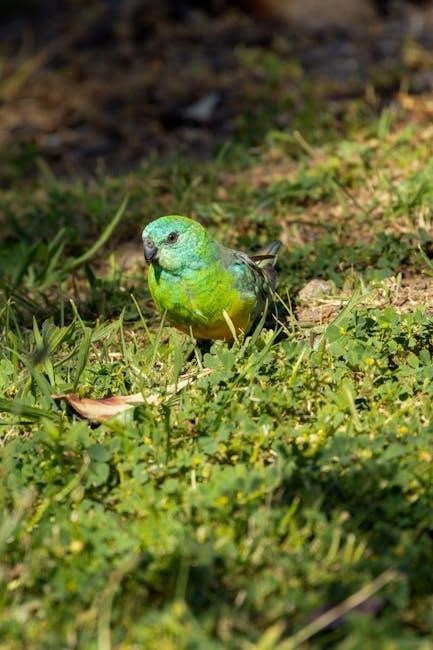
Future of Field Guides in the Digital Age
Slater Field Guides are evolving‚ integrating digital resources like apps and online databases to enhance bird identification and conservation efforts․
The Role of Digital Field Guides
Digital field guides‚ building upon the legacy of Slater’s expertise‚ offer dynamic features unavailable in print․ These include instant access to bird songs and calls‚ geographically-aware species suggestions‚ and regularly updated distribution maps․ Interactive quizzes and image comparison tools further aid learning․
Furthermore‚ digital platforms facilitate citizen science initiatives‚ allowing birdwatchers to contribute valuable data for conservation․ While traditional guides remain cherished‚ digital versions provide a powerful‚ complementary resource for both novice and experienced ornithologists‚ ensuring the continued appreciation and study of Australian birds․
Combining Traditional and Digital Methods
The enduring value of the Slater Field Guide lies in its detailed illustrations and structured approach to identification․ However‚ pairing this with digital tools unlocks a richer birding experience․ Use the guide for foundational knowledge‚ then leverage apps for vocalizations and real-time distribution data․
This blended approach allows for confident identification in the field‚ while fostering a deeper understanding of Australian birds․ Digital resources supplement‚ not replace‚ the core skills developed through traditional field guide use‚ creating a well-rounded ornithological skillset․