
Windows and doors are essential home components‚ offering privacy‚ style‚ security‚ and noise reduction‚ crucially impacting energy efficiency. Understanding features is vital for informed decisions.
Windows are far more than just holes in walls; they are fundamental elements of a building’s design‚ impacting everything from natural light and ventilation to energy efficiency and security. Historically‚ windows were simple openings‚ but they’ve evolved dramatically over centuries into the sophisticated structures we know today.
Beyond their practical functions‚ windows significantly contribute to a home’s aesthetic appeal‚ influencing both interior and exterior styles. The right windows can enhance a room’s ambiance‚ offering picturesque views and creating a sense of spaciousness. Conversely‚ poorly chosen windows can detract from a home’s overall look and feel.
Modern windows come in a vast array of types‚ materials‚ and features‚ catering to diverse needs and preferences. Understanding these options is crucial when undertaking a renovation or new construction project. From classic casement windows to expansive bay windows‚ each style offers unique benefits. Selecting the appropriate windows involves considering factors like climate‚ architectural style‚ and personal budget.
This guide will delve into the world of windows‚ exploring the various types‚ materials‚ and technologies available‚ empowering you to make informed decisions for your home.
Types of Windows
The world of windows offers a diverse range of styles‚ each with unique characteristics and benefits. Understanding these options is key to selecting the perfect windows for your home. Common types include casement windows‚ known for their practicality and versatility‚ often found in UK homes. These are hinged at the side and crank open‚ providing excellent ventilation.
Bay windows‚ another popular choice‚ project outward from the wall‚ creating a spacious interior nook and offering panoramic views. They are challenging to decorate but add significant architectural interest. Beyond these‚ you’ll find double-hung windows‚ sliding windows‚ and picture windows‚ each serving different purposes.
Fixed windows‚ or picture windows‚ offer unobstructed views but don’t open. Awning windows hinge at the top and open outward‚ providing ventilation even during light rain. The choice depends on factors like desired ventilation‚ aesthetic preferences‚ and the architectural style of your home. Considering these factors ensures optimal functionality and visual appeal.
Casement Windows
Casement windows are a timeless and popular choice‚ particularly prevalent in UK homes‚ celebrated for their blend of practicality and versatility. Distinguished by their side-hinged design‚ they operate using a crank‚ allowing for full opening and excellent ventilation control. This crank mechanism offers a secure and easy-to-use operation‚ unlike traditional hung windows.
Their ability to capture breezes‚ even on calm days‚ makes them ideal for optimizing airflow. Casement windows also provide a tight seal when closed‚ contributing to energy efficiency and reducing drafts. They are suitable for various architectural styles and can be customized with different materials and finishes.
Furthermore‚ casement windows offer enhanced security due to the robust locking mechanisms. They are relatively easy to clean‚ especially with tilt-in features available on some models. Choosing casement windows means opting for a functional‚ aesthetically pleasing‚ and energy-efficient solution for your home.
Bay Windows
Bay windows are a striking architectural feature‚ adding both space and character to a room. Commonly found in bedrooms‚ living rooms‚ dining rooms‚ and offices‚ they project outwards from the wall‚ creating a recessed area within. While many homeowners leave them largely untouched‚ bay windows present unique decorating opportunities.
These windows typically consist of three panels – a large central picture window flanked by two smaller windows set at an angle. This configuration maximizes light intake and provides panoramic views. Bay windows can significantly enhance a room’s aesthetic appeal and perceived size‚ making it feel more open and inviting.
However‚ decorating a bay window requires careful consideration. The unusual shape can pose challenges when selecting furniture and window treatments. Despite this‚ with thoughtful planning‚ a bay window can become a stunning focal point‚ adding warmth and sophistication to any home. They are a worthwhile investment for both beauty and functionality.
Andersen Windows: Cost and Installation
The investment in new windows is significant‚ and Andersen windows represent a premium option with a corresponding price point. The typical cost range for professional installation falls between $480 and $3‚500 per window‚ but this is a broad estimate. Several key factors influence the final price‚ demanding careful budgeting.

Window size is a primary cost driver; larger windows naturally require more materials and labor. The chosen window style – whether it’s a double-hung‚ casement‚ or picture window – also impacts the price. Furthermore‚ the material of the window frame (wood‚ fiberglass‚ or vinyl) significantly affects the overall cost.
Installation complexity adds to the expense. Factors like the home’s accessibility‚ the number of windows being replaced‚ and any necessary structural modifications all play a role. Obtaining multiple quotes from qualified installers is crucial to ensure a competitive price and a professional‚ reliable installation process. Proper installation is key to maximizing energy efficiency and longevity.
Window Materials
Selecting the right window material is a crucial decision‚ impacting aesthetics‚ durability‚ energy efficiency‚ and cost. Common options include wood‚ vinyl‚ fiberglass‚ and aluminum‚ each possessing unique characteristics suited to different climates and homeowner preferences.
Wood windows offer classic beauty and excellent insulation but require regular maintenance – painting‚ staining‚ and sealing – to prevent rot and decay. Vinyl is a popular‚ low-maintenance choice‚ offering good energy efficiency and affordability‚ though it may not match the aesthetic appeal of wood.
Fiberglass provides a compelling blend of strength‚ durability‚ and energy efficiency‚ resisting warping‚ cracking‚ and corrosion. It’s a more expensive option but offers long-term value. Aluminum windows are lightweight and strong‚ ideal for modern designs‚ but are less energy-efficient than other materials unless thermally broken.
Ultimately‚ the best window material depends on your budget‚ climate‚ architectural style‚ and desired level of maintenance.
Energy Efficiency and Windows
Windows play a significant role in a home’s energy efficiency‚ impacting heating and cooling costs. Older‚ single-pane windows are notorious for energy loss‚ while modern windows incorporate features to minimize this. Understanding these features is key to making informed choices.

Key factors include glazing – the number of glass panes (double or triple-pane) and coatings applied to reduce heat transfer. Low-E (low-emissivity) coatings reflect infrared light‚ keeping heat inside during winter and outside during summer. Gas fills‚ like argon or krypton‚ between the panes further enhance insulation.
Window frames also contribute to energy efficiency. Vinyl and fiberglass frames offer superior insulation compared to aluminum. Look for windows with a low U-factor (measuring heat transfer) and a high Solar Heat Gain Coefficient (SHGC) appropriate for your climate.
Energy Star certification indicates windows meet specific energy efficiency standards‚ helping you select products that save energy and reduce utility bills.
Window Security Features
Beyond providing views and light‚ windows are crucial for home security. Modern windows offer a range of features designed to deter intruders and protect your family. Prioritizing security alongside aesthetics is essential for peace of mind.
Strong window frames‚ constructed from materials like reinforced vinyl or fiberglass‚ are more resistant to forced entry than wood or aluminum. Multi-point locking systems secure the window at several points‚ making it significantly harder to pry open. Laminated glass‚ featuring a plastic interlayer‚ doesn’t shatter easily‚ delaying access even if broken.
Window sensors‚ integrated with home security systems‚ alert you to unauthorized openings. Consider security film‚ a transparent layer applied to the glass‚ which adds strength and holds shattered pieces together. Burglar bars‚ while visually prominent‚ provide an additional layer of protection.
Regularly inspect window locks and frames for damage‚ ensuring they function correctly. Combining these features creates a robust security barrier.

Windows as a Service (WaaS) ー Windows 10 & 11
Microsoft revolutionized Windows updates with the introduction of Windows as a Service (WaaS) in Windows 10‚ continuing with Windows 11. This model shifted from large‚ infrequent operating system releases to a continuous delivery system of feature and security updates.
WaaS ensures your Windows operating system remains current with the latest improvements and protections without requiring complete re-installations. Feature Updates‚ released twice yearly‚ introduce new functionalities and enhancements. Quality Updates‚ delivered monthly‚ focus on security patches and bug fixes‚ safeguarding against vulnerabilities;
This approach provides an always up-to-date experience‚ crucial in today’s rapidly evolving threat landscape. WaaS allows for more predictable IT management and reduces the disruption associated with traditional upgrade cycles. Organizations can also utilize deferral options to control the timing of updates.
Staying current with WaaS is vital for maintaining a secure and optimized Windows environment.
Virus Scans in Windows Security
Windows Security‚ formerly known as Windows Defender‚ provides robust built-in protection against malware. It offers several types of virus scans‚ each designed for different needs and levels of thoroughness. Understanding these options allows you to tailor your security approach.
Quick Scan focuses on areas most commonly targeted by malware‚ offering a fast check for immediate threats. Full Scan examines all files and folders on your system‚ providing a comprehensive‚ but time-consuming‚ analysis. Custom Scan lets you specify particular drives or folders to scan‚ offering targeted investigation.
Microsoft Defender Offline Scan is particularly powerful‚ running outside of Windows to detect and remove deeply embedded malware that might evade traditional scans. Scheduled scans automate regular checks‚ ensuring continuous protection. Real-time protection constantly monitors for suspicious activity‚ blocking threats as they emerge.
Regularly utilizing these scan types‚ especially Full and Offline scans‚ is crucial for maintaining a secure Windows system.
Window Treatments for Light Control
Natural light is beneficial for well-being‚ but excessive or harsh light can be disruptive. Window treatments offer solutions‚ balancing illumination with privacy and comfort. Numerous options cater to diverse needs and aesthetic preferences.
Curtains provide excellent light blockage and insulation‚ available in various fabrics and styles. Blinds‚ including Venetian‚ vertical‚ and roller blinds‚ offer adjustable light control and a sleek appearance. Shades‚ like Roman and cellular shades‚ provide varying degrees of opacity and energy efficiency.
Shutters offer a classic look with precise light control and enhanced security. Sheer curtains diffuse light softly‚ maintaining brightness while providing some privacy. Layering treatments—combining blinds with curtains‚ for example—allows for customized light management. Consider the room’s function when selecting treatments; bedrooms benefit from blackout options‚ while living rooms may prioritize diffused light.
Ultimately‚ the best window treatment enhances both functionality and the room’s overall design.
Choosing Window Frame Materials
Selecting window frame materials is a crucial decision impacting aesthetics‚ durability‚ energy efficiency‚ and cost. Several options exist‚ each with unique advantages and disadvantages. Wood frames offer classic beauty and insulation but require regular maintenance to prevent rot and warping.
Vinyl frames are a popular‚ low-maintenance choice‚ offering excellent insulation and affordability. However‚ they may not provide the same aesthetic appeal as wood. Aluminum frames are strong and durable‚ ideal for modern designs‚ but are less energy-efficient than wood or vinyl.
Fiberglass frames combine strength‚ durability‚ and energy efficiency‚ resisting warping and corrosion. They are a premium option with a higher price point. Composite frames‚ made from wood fibers and polymers‚ offer a balance of benefits‚ mimicking the look of wood with improved durability.
Consider your climate‚ budget‚ and desired aesthetic when choosing. Proper material selection ensures long-lasting performance and enhances your home’s value.
Window Design Considerations
Thoughtful window design significantly impacts a home’s aesthetic appeal‚ functionality‚ and energy efficiency. Consider architectural style when selecting window types; for example‚ casement windows suit traditional homes‚ while picture windows complement modern designs. Window placement is crucial for maximizing natural light and ventilation.

Bay windows can create inviting nooks‚ but require careful decoration. Window size should be proportionate to wall space‚ avoiding overly large or small windows. Grid patterns can enhance visual interest‚ but excessive grids can obstruct views.
Exterior trim should complement the home’s siding and architectural details. Interior window sills provide a space for plants or decorative items. Prioritize energy-efficient glazing and frames to minimize heat loss or gain.
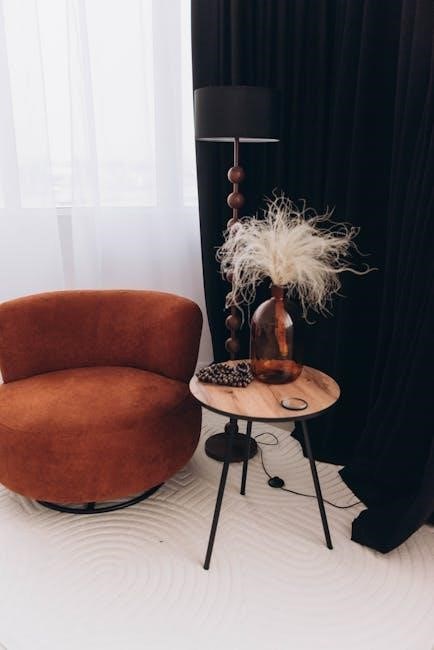
Ultimately‚ window design should blend seamlessly with the overall home aesthetic‚ enhancing both its beauty and comfort.
The Importance of Natural Light
Natural light profoundly impacts our well-being‚ boosting mood‚ enhancing productivity‚ and improving overall health. Sunlight provides essential Vitamin D‚ crucial for bone health and immune function. Strategically placed windows maximize daylight penetration‚ reducing reliance on artificial lighting and lowering energy bills.
However‚ too much light can create glare and overheat rooms. Window treatments‚ like blinds or curtains‚ offer control over light intensity and privacy. Consider window orientation; south-facing windows receive the most sunlight‚ while north-facing windows provide softer‚ diffused light.
Window design plays a vital role in harnessing natural light. Large windows and skylights can flood spaces with brightness. Reflective surfaces‚ such as light-colored walls and floors‚ amplify light distribution. Prioritizing natural light creates inviting‚ comfortable‚ and healthy living environments.
Noise Reduction with Windows
Windows significantly impact a home’s acoustic environment. External noises – traffic‚ construction‚ or neighbors – can disrupt peace and concentration. Choosing windows specifically designed for noise reduction is crucial for creating a tranquil living space.

Double-pane windows‚ with an air or gas-filled gap between the panes‚ offer substantial noise reduction compared to single-pane windows. Triple-pane windows provide even greater insulation. The wider the gap and the heavier the glass‚ the more effective the noise barrier.
Window frame materials also contribute. UPVC frames generally offer better soundproofing than aluminum. Ensuring a tight seal around the window frame is vital to prevent sound leakage. Consider window treatments like heavy curtains or soundproof blinds for added noise control‚ enhancing comfort and privacy.
Privacy and Windows
Windows offer views and light‚ but also raise privacy concerns. Balancing visibility with seclusion is essential for comfortable living. The level of privacy needed varies depending on the room’s location and function – bedrooms and bathrooms require more than living areas.
Window treatments are the primary method for enhancing privacy. Curtains‚ blinds‚ and shades offer adjustable control over visibility. Sheer curtains provide some diffusion while maintaining light‚ while blackout curtains offer complete privacy. Consider the opacity and texture of the fabric.
Frosted or textured glass provides privacy while still allowing light to enter. Window films can also be applied to existing windows to create a similar effect. Strategic landscaping with trees and shrubs can also offer natural screening‚ enhancing both privacy and curb appeal.
Window Styles: A Comprehensive Overview
Window styles significantly impact a home’s aesthetic and functionality. Casement windows‚ hinged on the side‚ offer excellent ventilation and a clear view when open. Bay windows‚ projecting outwards‚ create a spacious feel and often feature multiple windows.
Double-hung windows‚ with operable sashes‚ are a classic choice‚ allowing for airflow from both the top and bottom. Sliding windows operate horizontally‚ ideal for contemporary designs. Picture windows‚ fixed and non-operable‚ maximize views and light.

Awning windows‚ hinged at the top‚ provide ventilation even during light rain. Transom windows‚ positioned above doors or other windows‚ enhance light and airflow. Understanding these styles allows homeowners to select windows that complement their architectural design and lifestyle needs‚ balancing aesthetics with practical considerations.

Maintaining Your Windows
Regular window maintenance is crucial for longevity and efficiency. Cleaning windows – both inside and out – improves natural light and visibility. Use a mild detergent and avoid abrasive cleaners to prevent scratching. Inspect window frames for cracks or damage‚ addressing them promptly to prevent further deterioration.
Check weather stripping and caulking annually‚ replacing worn or damaged materials to maintain energy efficiency and prevent drafts. Lubricate window mechanisms‚ such as hinges and locks‚ to ensure smooth operation. For windows with screens‚ repair or replace damaged screens to keep insects out.
Proper maintenance not only extends the life of your windows but also reduces energy costs and enhances your home’s overall comfort. Addressing small issues early can prevent costly repairs down the line‚ preserving your investment and maintaining aesthetic appeal.
Future Trends in Window Technology
The future of window technology is rapidly evolving‚ driven by demands for greater energy efficiency‚ smart home integration‚ and enhanced security. Electrochromic glass‚ which can adjust its tint electronically‚ is gaining traction‚ offering dynamic light and heat control. Self-cleaning glass‚ utilizing nanotechnology‚ minimizes maintenance and maximizes clarity.
Smart windows integrated with home automation systems are becoming increasingly popular‚ allowing remote control of features like opening‚ closing‚ and tinting. Vacuum insulated glass (VIG) offers superior thermal performance compared to traditional double-pane windows. Advanced materials‚ like aerogels‚ are being explored for their exceptional insulating properties.

Expect to see more windows incorporating sensors to monitor air quality‚ temperature‚ and humidity‚ contributing to healthier indoor environments. These innovations promise to redefine how we interact with our homes and the world outside‚ blending functionality with sustainability.