
PCOS Diet Plan PDF Free: A Comprehensive Guide (Updated 12/06/2025)
Discover a free PCOS diet plan PDF, emphasizing healthy eating, increased physical activity, weight management, and modest weight loss for optimal hormonal balance.
Understanding Polycystic Ovary Syndrome (PCOS)
Polycystic Ovary Syndrome (PCOS) is a prevalent endocrine disorder impacting women of reproductive age, characterized by hormonal imbalances and metabolic dysfunction. It’s estimated that over 20% of Indian women experience PCOS, highlighting its significant health impact. This condition often slows metabolism and causes irregularities in hormonal levels, leading to various symptoms.
PCOS isn’t solely a reproductive health issue; it’s a systemic condition affecting multiple body systems. Understanding its complexities is crucial for effective management. The syndrome’s name stems from the presence of multiple cysts on the ovaries, though not all women with PCOS have them. Effective management requires a holistic approach, with diet playing a pivotal role in regulating insulin and managing symptoms.
The Role of Diet in PCOS Management
Diet is fundamentally linked to managing PCOS, particularly concerning insulin regulation. Women with PCOS often exhibit insulin resistance, where cells don’t respond effectively to insulin, leading to higher blood sugar levels. A well-structured diet can significantly improve insulin sensitivity and hormonal balance.
Nutritional strategies focus on incorporating a variety of fruits, vegetables, whole grains, and lean proteins. Prioritizing these foods supports metabolic health and reduces inflammation. Avoiding or limiting sugar and processed foods is crucial, as they exacerbate insulin resistance and worsen symptoms. A comprehensive PCOS diet plan, often available as a free PDF, provides guidance on food choices and meal planning to optimize health outcomes.

Key Dietary Goals for Women with PCOS
Central dietary goals for women with PCOS revolve around stabilizing blood sugar, reducing inflammation, and achieving a healthy weight. A free PCOS diet plan PDF typically emphasizes a low glycemic index (GI) approach, prioritizing foods that release glucose slowly.
Increasing fiber intake is vital for improved insulin sensitivity and digestive health. Adequate protein consumption supports satiety and muscle mass. Limiting processed foods, sugary drinks, and excessive unhealthy fats is paramount. The aim is to create a sustainable eating pattern that supports hormonal balance and overall well-being, often detailed within accessible resources like downloadable diet plans.
Macronutrient Breakdown: Fats, Proteins & Carbohydrates
A free PCOS diet plan PDF will outline a specific macronutrient ratio. Generally, prioritize complex carbohydrates (40-50%) from low-GI sources, ensuring sustained energy. Lean protein (25-30%) is crucial for satiety and muscle maintenance, aiding metabolic function.
Healthy fats (20-30%) – like omega-3s – are vital for reducing inflammation and supporting hormonal balance. Avoid trans fats and limit saturated fats. This balance helps regulate insulin levels, a key factor in PCOS management. Individual needs vary, so a personalized approach, often detailed in comprehensive guides, is recommended for optimal results.

Low Glycemic Index (GI) Foods: A Cornerstone of the PCOS Diet
A free PCOS diet plan PDF heavily emphasizes low glycemic index (GI) foods. These foods release glucose slowly, preventing insulin spikes that exacerbate PCOS symptoms. Prioritize non-starchy vegetables, most fruits (in moderation), and whole grains.
Choosing low-GI options helps improve insulin sensitivity, manage weight, and regulate menstrual cycles. High-GI foods, like sugary drinks and processed snacks, should be limited. Understanding GI values empowers informed food choices, supporting long-term hormonal health and overall well-being. A detailed list within the PDF will guide effective meal planning.
Best Low GI Fruits for PCOS
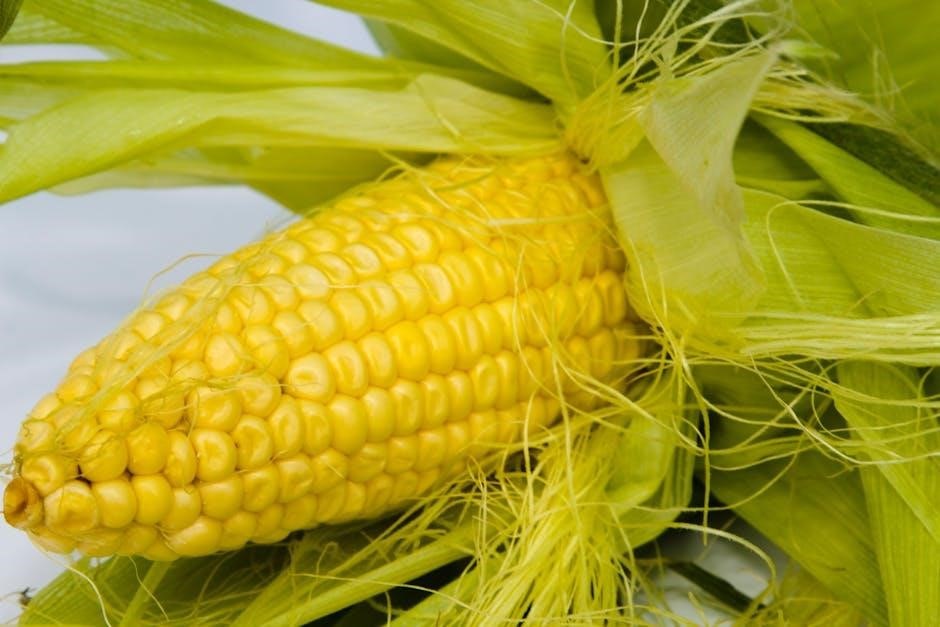
A free PCOS diet plan PDF highlights specific fruits ideal for managing the condition due to their low glycemic index. Berries – blueberries, strawberries, raspberries – are excellent choices, offering antioxidants and fiber. Apples, pears, and peaches are also beneficial, consumed in moderation.
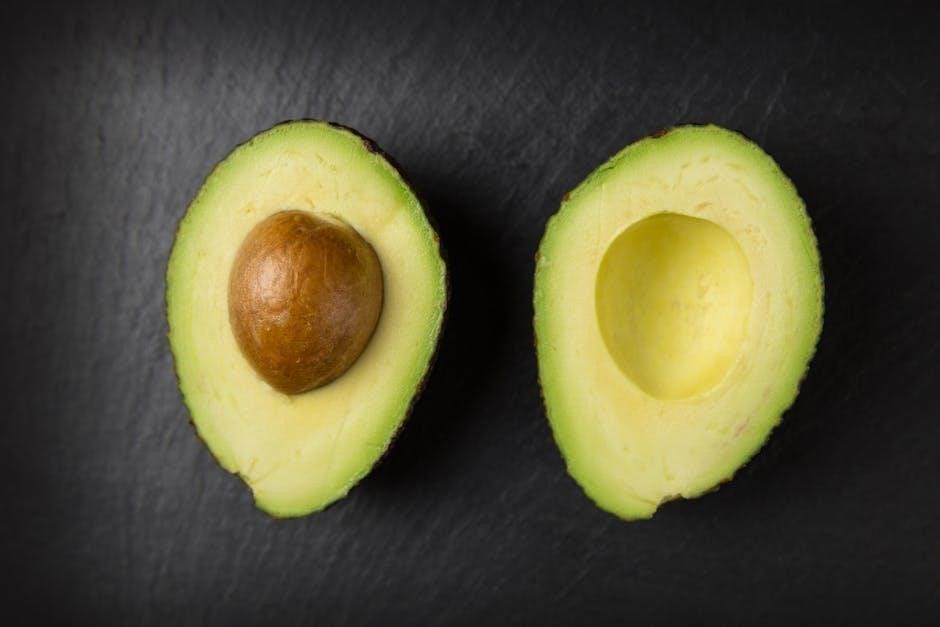
Citrus fruits like oranges and grapefruits provide vitamin C and have a relatively low GI. Cherries, plums, and avocados (technically a fruit!) are also suitable additions. Remember portion control is key; even low-GI fruits impact blood sugar if eaten excessively. The PDF provides detailed serving suggestions for optimal results.
Low GI Vegetable Choices
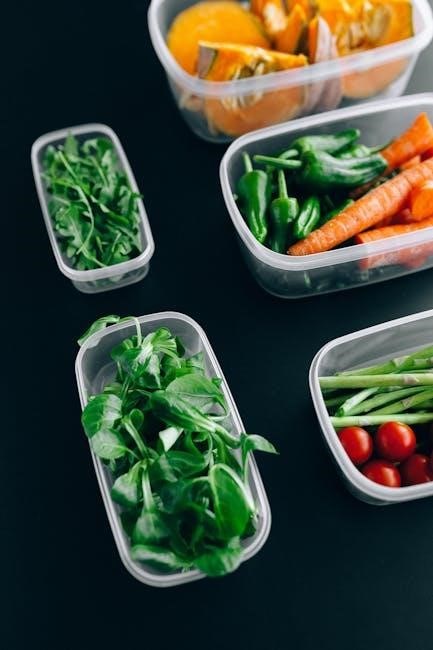
A free PCOS diet plan PDF emphasizes non-starchy vegetables as foundational components. Leafy greens – spinach, kale, lettuce – are incredibly beneficial, packed with nutrients and fiber. Broccoli, cauliflower, and Brussels sprouts offer excellent nutritional value with minimal impact on blood sugar.
Other excellent choices include asparagus, bell peppers, cucumbers, zucchini, and mushrooms. Root vegetables like carrots and sweet potatoes can be included in moderation due to their slightly higher GI. The PDF details how to incorporate a variety of these vegetables into meals for sustained energy and hormonal balance, promoting overall well-being.
Whole Grain Options for Sustained Energy
A free PCOS diet plan PDF advocates for incorporating whole grains strategically, prioritizing those with a lower glycemic index for stable blood sugar levels. Quinoa is a fantastic choice, being a complete protein and offering sustained energy release. Brown rice, while requiring mindful portion control, provides essential nutrients.
Oats, particularly steel-cut or rolled oats, are beneficial due to their fiber content. Whole-wheat bread, when chosen carefully (look for 100% whole wheat), can be included in moderation. The PDF highlights the importance of pairing whole grains with protein and healthy fats to further mitigate blood sugar spikes and support hormonal health.
Foods to Avoid or Limit with PCOS
A free PCOS diet plan PDF strongly advises minimizing sugar and processed foods, as they exacerbate insulin resistance, a core issue in PCOS. This includes sugary drinks, pastries, and fast food. Dairy consumption is presented as a consideration; some women find it inflammatory, prompting exploration of alternatives like almond or coconut milk.
The PDF emphasizes reducing inflammatory foods such as refined oils, excessive red meat, and processed meats. These can worsen systemic inflammation, impacting hormonal balance. Prioritizing whole, unprocessed foods is key. Careful attention to ingredient lists and mindful eating are encouraged for successful PCOS management through diet.
The Impact of Sugar and Processed Foods
A free PCOS diet plan PDF highlights that sugar and processed foods significantly worsen insulin resistance, a central feature of PCOS. Rapid spikes in blood sugar trigger increased androgen production, exacerbating symptoms. These foods offer minimal nutritional value, contributing to weight gain and inflammation.
Processed foods often contain hidden sugars, unhealthy fats, and additives that disrupt hormonal balance. Regularly consuming them can lead to a vicious cycle of insulin resistance, weight gain, and worsening PCOS symptoms. The PDF recommends prioritizing whole, unprocessed foods to stabilize blood sugar and support overall health.
Dairy and PCOS: Considerations and Alternatives
A free PCOS diet plan PDF acknowledges the complex relationship between dairy and PCOS. Some women find dairy exacerbates inflammation and worsens symptoms like acne and bloating, potentially due to its hormonal content and impact on insulin levels. However, reactions vary significantly.
The PDF suggests an elimination diet to assess individual tolerance. If dairy is problematic, numerous alternatives exist. Calcium-rich options include fortified plant-based milks (almond, soy, oat), leafy green vegetables, and calcium-set tofu. Prioritizing these alternatives ensures adequate nutrient intake while potentially alleviating PCOS symptoms.
Reducing Inflammatory Foods
A free PCOS diet plan PDF emphasizes minimizing inflammatory foods, crucial for managing symptoms. Chronic inflammation is often linked to PCOS and can worsen insulin resistance and hormonal imbalances. The plan advises limiting processed foods, sugary drinks, and excessive red meat, all known inflammatory triggers.

Focus shifts towards anti-inflammatory powerhouses: fatty fish rich in omega-3s, colorful fruits and vegetables packed with antioxidants, and healthy fats like olive oil and avocados. Prioritizing these foods helps quell inflammation, supporting overall hormonal health and potentially easing PCOS-related discomfort. This dietary approach is a cornerstone of the plan.
Sample PCOS Diet Plan (7-Day)
A free PCOS diet plan PDF often includes a 7-day sample meal plan to guide implementation. This typically features breakfasts rich in protein and fiber – think eggs with spinach or Greek yogurt with berries. Lunches focus on lean protein, complex carbohydrates, and healthy fats, like a salmon salad with quinoa. Dinners emphasize non-starchy vegetables and lean protein sources, such as chicken breast with broccoli.
Snacks are strategically included to maintain stable blood sugar levels, featuring options like a handful of almonds or a small apple with peanut butter. The plan emphasizes portion control and hydration. This sample provides a practical framework, encouraging customization based on individual needs and preferences.
Importance of Fiber Intake
A free PCOS diet plan PDF consistently highlights the crucial role of fiber. Fiber aids in regulating blood sugar levels, a key concern for women with PCOS due to insulin resistance. It promotes satiety, assisting with weight management, and supports healthy digestion. Increasing fiber intake can improve hormonal balance and reduce inflammation, common symptoms of PCOS.
Excellent sources include vegetables, fruits (especially with skin), whole grains, and legumes. Aim for at least 25-35 grams of fiber daily. Gradual increases are recommended to avoid digestive discomfort. Prioritizing fiber-rich foods is a cornerstone of a PCOS-friendly diet, contributing significantly to overall health and symptom management.
Hydration and PCOS
A free PCOS diet plan PDF often emphasizes adequate hydration as a foundational element of management. Water plays a vital role in numerous bodily functions, including hormone regulation and metabolic processes. Staying well-hydrated can help mitigate PCOS symptoms like fatigue and bloating, and supports optimal insulin sensitivity.
Aim for at least eight glasses of water daily, and increase intake during physical activity or in warmer climates. Herbal teas and water-rich fruits and vegetables also contribute to hydration. Avoiding sugary drinks is crucial, as they can exacerbate insulin resistance. Proper hydration is a simple yet powerful tool for supporting overall health and managing PCOS effectively;
Supplements That May Help Manage PCOS Symptoms
A free PCOS diet plan PDF frequently suggests incorporating specific supplements to address nutritional deficiencies and support hormonal balance. Inositol, particularly myo-inositol and D-chiro-inositol, is often recommended for improving insulin sensitivity and ovarian function. Vitamin D supplementation is also common, as many women with PCOS are deficient, impacting hormone regulation.
Omega-3 fatty acids, found in fish oil, can help reduce inflammation, a key factor in PCOS. Always consult a healthcare professional before starting any new supplement regimen, as individual needs vary. Supplements should complement, not replace, a healthy diet and lifestyle.
Inositol and its Benefits
A free PCOS diet plan PDF often highlights inositol as a crucial supplement. This vitamin-like substance exists in several forms, with myo-inositol and D-chiro-inositol being the most studied for PCOS. Inositol improves insulin sensitivity, helping the body use insulin more effectively, which is often impaired in women with PCOS.
Benefits include improved ovarian function, potentially leading to more regular menstrual cycles and increased fertility. It may also positively impact egg quality. Dosage recommendations vary, so consulting a healthcare provider is essential. Inositol is generally well-tolerated, making it a valuable addition to a comprehensive PCOS management plan.
Vitamin D and PCOS
A free PCOS diet plan PDF frequently recommends Vitamin D supplementation, as many women with PCOS are deficient. Vitamin D plays a vital role in insulin sensitivity, hormone regulation, and inflammation – all key factors in PCOS management. Low Vitamin D levels are linked to increased insulin resistance and irregular menstrual cycles.
Supplementation can improve these aspects, potentially aiding in weight management and improving fertility outcomes. Dosage should be determined by a healthcare professional based on individual blood levels. Food sources like fatty fish and fortified foods offer some Vitamin D, but supplementation is often necessary to achieve optimal levels. Regular monitoring is advised.
Omega-3 Fatty Acids for Inflammation
A free PCOS diet plan PDF often highlights the importance of Omega-3 fatty acids due to their potent anti-inflammatory properties. PCOS is frequently associated with chronic low-grade inflammation, contributing to insulin resistance and hormonal imbalances. Omega-3s, particularly EPA and DHA, can help reduce this inflammation, improving metabolic health.
Good sources include fatty fish like salmon, mackerel, and sardines, as well as flaxseeds, chia seeds, and walnuts. Supplementation with fish oil or algal oil can be considered if dietary intake is insufficient. Reducing inflammatory foods alongside increasing Omega-3 intake provides a synergistic effect, supporting overall PCOS management and well-being.
Exercise and PCOS: A Synergistic Approach
A free PCOS diet plan PDF isn’t complete without addressing exercise, as it works synergistically with dietary changes. Physical activity improves insulin sensitivity, a key factor in PCOS management, and aids in weight control, often a challenge for women with the condition.

Regular exercise, including both cardiovascular activities and strength training, is recommended. Cardio improves heart health and metabolic function, while strength training builds muscle mass, further enhancing insulin sensitivity. Aim for at least 150 minutes of moderate-intensity exercise per week. Combining a balanced diet with consistent exercise maximizes benefits, promoting hormonal balance and overall health.
Cycle Syncing Diet: Eating with Your Hormonal Phases
A free PCOS diet plan PDF can be further personalized through cycle syncing, aligning nutrition with your menstrual cycle phases. This approach recognizes fluctuating hormonal needs throughout the month, optimizing energy levels and symptom management.
During the follicular phase, prioritize lighter, nutrient-dense foods. Ovulation benefits from protein and healthy fats. The luteal phase requires complex carbohydrates and magnesium-rich foods to support progesterone. During menstruation, focus on iron-rich foods and anti-inflammatory options. Cycle syncing isn’t about restriction, but rather intuitive eating tailored to your body’s natural rhythms, enhancing the effectiveness of your overall PCOS diet.
Finding a Free PCOS Diet Plan PDF
Numerous resources offer a free PCOS diet plan PDF download. Reputable healthcare websites, registered dietitians, and PCOS support groups frequently provide comprehensive guides. Search terms like “PCOS diet plan PDF free download” will yield various options, but prioritize sources with evidence-based information.
Be cautious of overly restrictive plans or those promoting quick fixes. A beneficial PDF will detail macronutrient breakdowns, low GI food lists, foods to avoid, and sample meal plans. Always cross-reference information with your healthcare provider to ensure the plan aligns with your individual needs and medical history. Remember, a free PDF is a starting point, not a one-size-fits-all solution.
Resources for Further Information and Support
Beyond a free PCOS diet plan PDF, several organizations offer valuable support. The PCOS Awareness Association provides extensive information, research updates, and community forums. Registered dietitians specializing in PCOS can offer personalized guidance and meal planning. Online communities, like those found on social media platforms, foster peer support and shared experiences.
Additionally, consider exploring resources from reputable medical institutions like the Mayo Clinic and the National Institutes of Health. These sources offer evidence-based articles and research findings. Remember to discuss any dietary changes or supplement use with your healthcare provider. Seeking professional guidance ensures a safe and effective approach to managing PCOS symptoms.
Long-Term Adherence and Lifestyle Changes
Successfully managing PCOS with a diet plan, even a free PDF version, requires sustained lifestyle changes, not just temporary fixes. Focus on building healthy habits gradually, incorporating enjoyable physical activity, and prioritizing stress management techniques. Avoid restrictive dieting, which can be unsustainable and counterproductive.
Embrace a holistic approach, viewing your diet as nourishment rather than deprivation. Find support networks – friends, family, or online communities – to stay motivated. Regularly review and adjust your plan based on your body’s response and evolving needs. Long-term success hinges on making PCOS management an integral part of your daily routine.
Monitoring Your Progress and Adjusting Your Plan
Utilizing a free PCOS diet plan PDF is a starting point; consistent monitoring is crucial for effectiveness. Track key indicators like menstrual cycles, weight, energy levels, and symptom severity. Keep a food journal to identify potential trigger foods or areas for improvement.
Regularly assess your progress and be prepared to adjust your plan accordingly. If you’re not seeing desired results, consider modifying macronutrient ratios, experimenting with different low-GI food choices, or increasing physical activity. Remember, everyone responds differently. Don’t hesitate to seek guidance from a healthcare professional for personalized adjustments and support.
Working with a Healthcare Professional
While a free PCOS diet plan PDF offers valuable guidance, it’s not a substitute for personalized medical advice. Consulting a healthcare professional – an endocrinologist, registered dietitian, or gynecologist – is essential. They can accurately diagnose PCOS, assess your individual needs, and rule out other underlying conditions.
A professional can help tailor a diet plan specifically for you, considering your medical history, lifestyle, and preferences. They can also monitor your progress, adjust medications if needed, and provide support throughout your journey. Don’t self-diagnose or rely solely on online resources; professional guidance ensures safe and effective PCOS management.