
Multi-Mile Trail Guide: HLT ⎻ An Overview
HLT focuses on expansive pathways, like the Dublin Signature Trail and Albuquerque Rail Trail, showcasing wider designs and enhanced amenities for diverse users.
These trails, including the Wekiva Trail Extension, demonstrate innovative approaches to access, often involving agreements with entities like CSX Transportation.
Multi-head attention concepts are even being explored for advanced trail mapping, alongside multi-instance applications for improved navigation experiences.
Multi-mile trails represent a significant evolution in recreational infrastructure, extending beyond traditional short-distance paths to offer immersive, long-distance experiences. These trails, often designated as “multi-use,” cater to a diverse range of activities, including walking, running, cycling, and even equestrian use, fostering inclusivity and community engagement.
The increasing popularity of these long trails reflects a growing desire for outdoor recreation and a connection with nature. Projects like the Dublin Signature Trail in Ohio and the Albuquerque Rail Trail in New Mexico exemplify this trend, providing valuable amenities and enhancing quality of life for residents and visitors alike. The Wekiva Trail Extension in Florida further illustrates this expansion, facilitated by collaborative agreements with transportation companies like CSX.
Understanding the planning, features, and maintenance of these trails is crucial for ensuring their sustainability and maximizing their benefits.
Defining “Multi-Use” Trails
“Multi-use trails” are deliberately designed to accommodate a variety of non-motorized recreational activities simultaneously. This contrasts with trails dedicated to a single purpose, like hiking-only paths or bike-specific routes. The core principle is shared access, requiring careful consideration of trail design and user etiquette to ensure safety and enjoyment for everyone.
Examples, such as the Dublin Signature Trail and the Albuquerque Rail Trail, demonstrate this inclusivity. These trails often feature wider surfaces to comfortably accommodate cyclists and pedestrians side-by-side. The concept extends beyond simply allowing multiple uses; it involves creating an environment where different user groups can coexist harmoniously.
Successful multi-use trail systems prioritize clear signage, designated passing areas, and potentially, surface differentiations to manage potential conflicts and enhance the overall experience for all users.
The Growing Popularity of Long Trails
The increasing demand for multi-mile trails reflects a broader societal shift towards outdoor recreation and active lifestyles. Projects like the Wekiva Trail Extension and the Albuquerque Rail Trail are responding to this growing need for accessible, long-distance pathways.
This trend is fueled by several factors, including a desire for connection with nature, opportunities for physical fitness, and alternative transportation options. Long trails offer immersive experiences, allowing users to escape urban environments and explore diverse landscapes.
Furthermore, the development of these trails often revitalizes communities, boosting local economies and enhancing quality of life. The Dublin Signature Trail, for instance, is envisioned as a key amenity for the city, attracting visitors and fostering a sense of community. This popularity drives continued investment and expansion of trail networks.

Planning Your Multi-Mile Trail Experience
HLT planning necessitates careful trail selection, difficulty assessment, and a comprehensive gear checklist for safe, enjoyable long-distance adventures.
Trail Selection Criteria
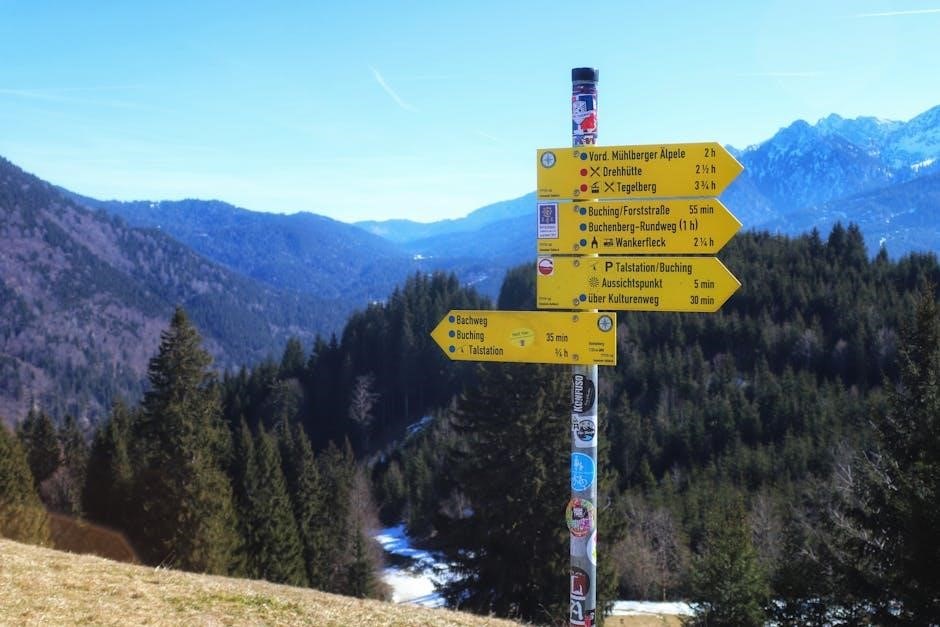
HLT trail selection demands a multifaceted approach, prioritizing user needs and experience. Consider the trail’s intended use – is it truly multi-use, accommodating hikers, bikers, and potentially equestrians? Evaluate the overall length and whether it aligns with your fitness level and available time.
Accessibility is crucial; research trailhead parking, public transportation options, and potential permit requirements. Scrutinize trail maps for connectivity to other pathways, allowing for loop options or extended explorations.

Furthermore, investigate the presence of amenities like water sources, restrooms, and emergency call boxes. Online reviews and trail reports from other users can provide invaluable insights into trail conditions, potential hazards, and overall enjoyment. Prioritize trails with established maintenance programs and clear signage to ensure a safe and well-maintained experience. Finally, consider the surrounding environment and desired scenery – from urban landscapes to natural wilderness areas.
Assessing Trail Difficulty & Elevation
HLT trail difficulty isn’t solely about distance; elevation gain is a critical factor. Utilize topographic maps or online trail profiles to understand the cumulative ascent and descent. Look for steep grades or sustained climbs that may challenge your fitness level.
Trail surface significantly impacts difficulty – paved paths are generally easier than rocky or root-laden terrain. Consider the technical aspects: are there stream crossings, exposed sections, or scrambling required?
Pay attention to trail ratings (easy, moderate, difficult) but remember these are subjective. Read recent trail reports for current conditions – mud, snow, or downed trees can drastically increase difficulty. Account for weather conditions; heat, cold, or rain can exacerbate challenges. Proper preparation, including appropriate footwear and pacing, is essential for a safe and enjoyable experience, especially on trails with significant elevation changes.
Essential Gear Checklist
HLT multi-mile adventures demand careful preparation. Start with sturdy, broken-in hiking boots and moisture-wicking socks to prevent blisters. Pack layers of clothing – even in warm weather, conditions can change rapidly. A waterproof and windproof outer shell is crucial.
Navigation tools are vital: a map, compass, and GPS device (or smartphone with downloaded maps). Carry sufficient water (hydration pack or bottles) and high-energy snacks. A first-aid kit, including blister treatment, pain relievers, and antiseptic wipes, is non-negotiable.
Don’t forget sun protection (sunscreen, hat, sunglasses), insect repellent, and a headlamp or flashlight with extra batteries. A multi-tool or knife, fire starter, and emergency shelter (bivy sack or tarp) add a layer of safety. Consider trekking poles for stability and reduced strain on joints.

Trail Features & Amenities
HLT trails prioritize user comfort and safety, incorporating features like varied surface types, adequate lighting, and strategically placed benches for rest and enjoyment.
Trail Width and Surface Types
HLT trail design emphasizes accommodating diverse users, influencing width and surface choices. The Dublin Signature Trail, for example, is planned to be wider than existing paths, facilitating comfortable passage for walkers, cyclists, and potentially other modes of non-motorized transport.
Surface types vary considerably, ranging from paved asphalt – ideal for accessibility and speed – to crushed stone or gravel, offering a more natural feel. Considerations include drainage, durability, and maintenance requirements. Some trails may incorporate sections of boardwalk to navigate sensitive environmental areas.
Width is crucial; wider trails reduce conflicts between users and enhance safety. A minimum width is often recommended to allow for passing, while wider sections may be incorporated at viewpoints or rest areas. The selection of materials and width directly impacts the overall trail experience and long-term sustainability.
Lighting and Safety Features
HLT trail projects increasingly prioritize user safety, particularly during evening hours. The Dublin Signature Trail’s planned lighting is a prime example, aiming to create a secure environment for extended use. Lighting design must balance visibility with minimizing light pollution and impacts on nocturnal wildlife.
Beyond illumination, safety features include clear signage indicating trail distances, emergency contact information, and potential hazards. Mile markers and route maps enhance navigation. Regular trail patrols by park rangers or security personnel can deter crime and provide assistance.
Surface maintenance – addressing potholes or uneven sections – is also critical for preventing accidents. Emergency call boxes strategically placed along the trail offer a direct line to help. Well-maintained sightlines and vegetation management further contribute to a safer trail experience for all users.
Benches and Rest Areas
HLT trails recognize the importance of providing comfortable rest stops for users of all abilities. The Dublin Signature Trail specifically plans to incorporate benches along its route, offering opportunities for relaxation and enjoying the surroundings. Rest areas aren’t merely about seating; they contribute significantly to the overall trail experience.
Strategic placement is key – benches should be located at scenic viewpoints, near mile markers, and at regular intervals to accommodate varying fitness levels. Shade structures, such as pergolas or trees, provide respite from the sun. Accessibility is paramount; benches must be usable by individuals with mobility impairments.
More comprehensive rest areas may include picnic tables, water fountains, and even restrooms. These amenities encourage longer trail visits and foster a sense of community. Thoughtful design enhances the aesthetic appeal of these spaces, blending them seamlessly into the natural environment.

Specific Trail Examples & Projects
HLT showcases projects like the Dublin Signature Trail, Albuquerque Rail Trail, and Wekiva Trail Extension, demonstrating diverse approaches to multi-use pathway development.
The Dublin Signature Trail (Ohio)
The Dublin Signature Trail, currently under development in Dublin, Ohio, represents a significant investment in multi-use recreational infrastructure. This east-to-west spanning trail is designed to be wider than existing paths within the city, prioritizing user comfort and accessibility for pedestrians and cyclists alike.
Key features planned for the trail include dedicated lighting systems to enhance safety during evening hours, strategically placed benches for rest and contemplation, and potentially other amenities to cater to a broad range of trail users. The project exemplifies HLT principles by focusing on creating a high-quality, connected pathway that enhances the overall quality of life for residents and visitors.
The trail’s design aims to seamlessly integrate with the surrounding environment, offering scenic views and opportunities for outdoor enjoyment. It’s a prime example of how communities are prioritizing active transportation and recreational spaces.
The Albuquerque Rail Trail (New Mexico)
The Albuquerque Rail Trail project is a seven-mile multi-use pathway designed to connect downtown Albuquerque with the historic Old Town district. This initiative represents a substantial commitment to enhancing pedestrian and bicycle infrastructure within the city, aligning with HLT principles of creating accessible and connected recreational spaces.
Currently nearing completion, the Rail Trail aims to provide a safe and convenient route for commuters, recreational users, and tourists alike. The project has been in development for some time, demonstrating the complexities involved in establishing long-distance trails within urban environments.
The trail’s development signifies a growing trend towards repurposing existing transportation corridors for recreational use, promoting sustainable transportation options and enhancing community connectivity. It’s a vital link in Albuquerque’s expanding network of multi-use pathways.
Wekiva Trail Extension (Florida)
The Wekiva Trail Extension exemplifies how collaborative efforts can expand recreational opportunities, fitting within the broader HLT framework. Recent progress on this project hinged on a crucial agreement with CSX Transportation, allowing for the acquisition of unused railway tracks in Lake County, Florida. This acquisition unlocked the potential for a significant extension to the existing Wekiva Trail.
This demonstrates a common challenge in trail development – securing right-of-way access. The successful negotiation with CSX highlights the importance of partnerships between local governments and transportation companies.
The extension promises to enhance connectivity for trail users, providing a longer, more immersive outdoor experience. It underscores the commitment to sustainable transportation and recreational infrastructure within the region, aligning with long-term community planning goals.

Technical Aspects & Innovations
HLT leverages multi-head attention for mapping and multi-instance apps for navigation, enhancing trail experiences with advanced technologies and data analysis techniques.

Multi-Head Attention in Trail Mapping (Conceptual)
Multi-head attention, borrowed from the realm of artificial intelligence, presents a fascinating conceptual approach to revolutionize trail mapping and data interpretation within the HLT framework. Traditionally, trail maps rely on static data – elevation profiles, surface types, and points of interest. However, integrating multi-head attention allows for a dynamic, nuanced understanding of trail characteristics.
Imagine the trail data as a sequence, and each “head” within the attention mechanism focuses on different aspects of this sequence simultaneously. One head might analyze elevation changes to predict difficulty, while another assesses surface conditions for accessibility. This parallel processing enables the system to identify complex relationships and patterns that would be missed by conventional methods.
Furthermore, it could incorporate real-time data – user reports on trail conditions, weather patterns, or even wildlife sightings – to create a constantly updating, highly accurate trail representation. This dynamic mapping would provide users with personalized recommendations and enhance safety, ultimately elevating the HLT experience.
Multi-Instance Applications for Trail Navigation

Leveraging the power of HLT data, multi-instance applications offer a personalized and adaptable trail navigation experience. Unlike traditional single-instance apps, these applications can simultaneously run multiple instances, each tailored to a specific user profile or scenario. For example, one instance could prioritize accessibility for hikers with mobility limitations, while another focuses on speed and efficiency for trail runners.
This approach allows for dynamic route planning, considering factors like user fitness level, preferred trail features (e.g., benches, lighting), and real-time conditions. Imagine a scenario where a user wants to explore multiple trails within the HLT network; each trail could be loaded as a separate instance, enabling seamless switching and comparison.
Furthermore, multi-instance applications can facilitate collaborative trail experiences, allowing groups to share location data and customize their navigation preferences independently, enhancing safety and enjoyment for all involved.
Trail Maintenance & Sustainability
HLT trail longevity requires addressing data redundancy, proactive maintenance, and strategic expansion, alongside crucial access agreements like those with CSX Transportation.
Addressing Historical Data Redundancy
HLT trail systems accumulate significant historical data – usage statistics, maintenance logs, incident reports, and mapping information. Over time, this data can become redundant, consuming valuable storage space and potentially hindering efficient analysis.
As observed with the WeChat example, older versions of data can create substantial “redundancy” – in WeChat’s case, hundreds of megabytes in database files. Similarly, HLT projects must implement strategies for identifying and archiving or deleting obsolete data.
This includes establishing clear data retention policies, regularly auditing data stores, and employing data compression techniques. Efficient data management not only optimizes storage but also improves the speed and accuracy of trail planning, maintenance scheduling, and resource allocation, ensuring long-term sustainability.
Proactive data management is crucial for maximizing the value of collected information and minimizing unnecessary costs associated with storage and processing.
Future Trail Development & Expansion
HLT’s future hinges on strategic expansion and innovative development. Projects like the Dublin Signature Trail, Wekiva Trail Extension, and Albuquerque Rail Trail exemplify a growing trend towards interconnected, multi-use pathways.
Future development will likely focus on extending existing trails, creating new connections between communities, and incorporating advanced technologies – potentially leveraging concepts like “multi-head attention” for enhanced mapping and navigation.
Securing access agreements, as demonstrated by CSX Transportation’s collaboration on the Wekiva Trail, will remain critical. Furthermore, prioritizing sustainability and addressing historical data redundancy will be essential for long-term success.
The integration of “multi-instance” applications for trail users and the exploration of new materials and construction techniques will also shape the future of HLT trail systems.
CSX Transportation & Trail Access Agreements
HLT trail development frequently relies on securing access to existing transportation corridors, often necessitating agreements with companies like CSX Transportation. The Wekiva Trail Extension project serves as a prime example of this collaborative approach.
CSX’s willingness to sell unused train tracks to Lake County cities was pivotal in enabling the trail’s expansion, demonstrating a growing recognition of the benefits of rail-trail conversions.
These agreements typically involve negotiations regarding land use, liability, and maintenance responsibilities. Successful partnerships require clear communication and a shared vision for creating accessible recreational spaces.
Future HLT projects will likely continue to depend on similar agreements, highlighting the importance of building strong relationships with transportation providers to unlock valuable trail opportunities.