Navigating the automotive world involves a fundamental choice: manual or automatic transmissions. Both options offer distinct driving experiences‚
catering to diverse preferences and needs‚ with each possessing unique advantages and disadvantages for drivers to consider carefully.
Learning a manual transmission typically requires around two weeks to become road-worthy‚ potentially extending to two months for reflexive shifting.
Modern sports cars‚ like the Corvette and Porsche 911‚ often utilize dual-clutch automatics‚ blending control with ease and offering faster shifts.
Brief History of Automotive Transmissions
The earliest automobiles‚ emerging in the late 19th and early 20th centuries‚ predominantly featured manual transmissions. These initial systems were rudimentary‚ often employing complex lever arrangements requiring significant driver skill. As automotive technology evolved‚ so did transmission designs‚ with improvements focused on smoother shifting and increased gear ratios.
The quest for driving convenience led to the development of the first automatic transmissions in the 1930s. Early automatics‚ like the Hydramatic introduced by General Motors‚ utilized fluid couplings and planetary gearsets to achieve automatic gear changes. However‚ these early systems were often bulky‚ inefficient‚ and lacked the responsiveness of manual counterparts.
Post-World War II saw continued refinement of both manual and automatic transmissions. Manual transmissions became more synchronized and easier to operate‚ while automatics gained sophistication through the introduction of electronic controls and more efficient torque converters. The latter half of the 20th century witnessed a gradual shift in consumer preference towards automatic transmissions‚ driven by their ease of use and increasing performance.
The Core Difference: How They Work
Manual transmissions rely on the driver to mechanically select gears using a clutch pedal and gear lever. Depressing the clutch disengages the engine from the transmission‚ allowing the driver to shift gears‚ altering the torque multiplication and vehicle speed. This direct mechanical connection provides the driver with significant control over engine RPM and power delivery.
Automatic transmissions‚ conversely‚ utilize a torque converter and planetary gearsets to automatically select the optimal gear ratio. The torque converter‚ a fluid coupling‚ transmits engine power to the transmission without a direct mechanical link. Hydraulic pressure and electronic controls manage gear selection based on vehicle speed‚ throttle position‚ and other parameters.
Essentially‚ manual transmissions demand active driver participation‚ while automatics prioritize convenience through automated gear changes. This fundamental difference shapes the driving experience and influences factors like fuel efficiency and driver engagement.
Manual Transmission: A Detailed Look
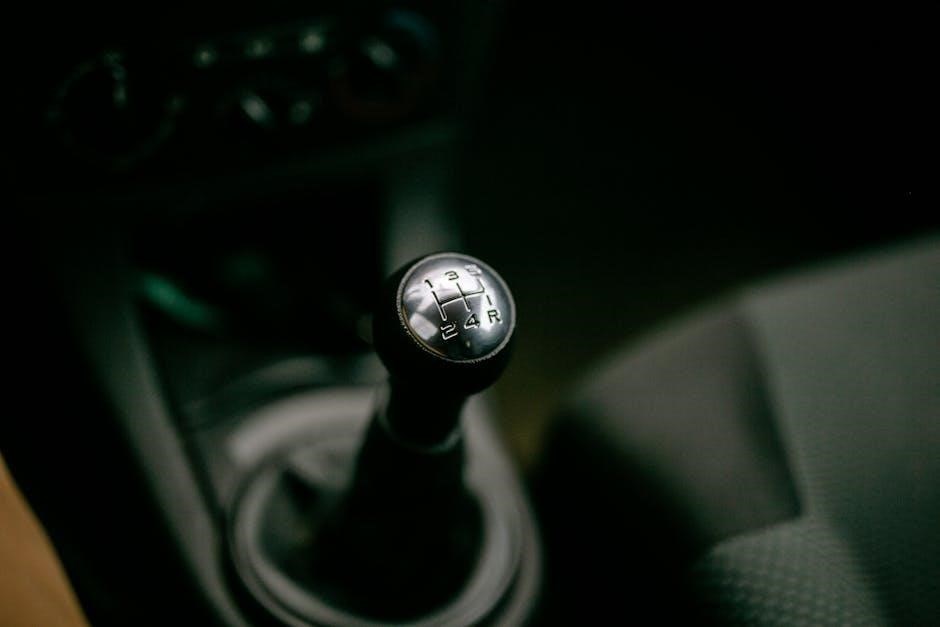
Manual transmissions offer a direct connection‚ demanding driver skill with a clutch and gear lever‚ providing control and engagement often favored by driving enthusiasts.
Components of a Manual Transmission
A manual transmission’s core lies in its intricate system of gears‚ shafts‚ and synchronizers. These components work in harmony to transfer engine power to the wheels‚ allowing the driver to select the optimal gear ratio for varying speeds and driving conditions. The input shaft receives power from the engine‚ while the output shaft delivers it to the driveshaft and ultimately‚ the wheels.
Gearsets‚ consisting of different sized gears‚ provide the varying ratios. Synchronizers are crucial for smooth gear changes‚ matching the speeds of the gears before engagement to prevent grinding. The shift forks‚ controlled by the gear lever‚ move the synchronizers to select the desired gear. A robust housing encases all these components‚ providing structural support and lubrication. Finally‚ the clutch‚ a separate but integral part‚ disengages the engine from the transmission‚ enabling gear changes – a critical element we’ll explore further.
The Clutch: Understanding its Role
The clutch is a fundamental component in a manual transmission system‚ acting as a crucial link between the engine and the gearbox. Its primary function is to temporarily disconnect the engine’s power from the transmission‚ allowing the driver to smoothly change gears without damaging the internal components. When the clutch pedal is depressed‚ it disengages the pressure plate from the clutch disc‚ interrupting the power flow.
This disconnection enables the selection of a different gear ratio. Releasing the pedal gradually re-engages the clutch‚ smoothly transferring power to the transmission; A worn or damaged clutch can lead to slipping‚ difficulty shifting‚ and reduced performance. Clutch replacement is a common maintenance item‚ and its cost should be considered when evaluating manual vehicle ownership. Proper clutch operation is vital for a smooth and controlled driving experience.
Gear Ratios and Shifting Mechanics
Gear ratios are central to how both manual and automatic transmissions function‚ dictating the relationship between engine speed and wheel speed. Lower gears provide more torque for acceleration and climbing hills‚ while higher gears offer better fuel efficiency at cruising speeds. In a manual transmission‚ the driver selects the appropriate gear ratio using the gear stick and clutch pedal‚ coordinating the disengagement and re-engagement of power.
Once muscle memory develops‚ shifting becomes almost automatic in daily driving. Automatic transmissions handle gear selection automatically‚ utilizing a complex system of hydraulics and electronics to determine the optimal gear based on vehicle speed and engine load. Dual-clutch transmissions offer a blend‚ providing automated shifting with the efficiency of a manual system.
Advantages of Driving a Manual Car
Driving a manual car offers a heightened sense of control and driver engagement‚ fostering a more connected experience behind the wheel. The direct control afforded by a manual transmission is incredibly rewarding for those who enjoy driving‚ eliminating distractions and promoting focus. Using both hands simply rules out multitasking‚ enhancing concentration on the road.
Manual transmissions are often more affordable than their automatic counterparts‚ and generally boast greater reliability if maintained properly. Clutch replacements‚ while necessary‚ are typically easier and cheaper than major automatic transmission repairs. The ability to select the precise gear ratio allows for optimized performance and fuel efficiency in various driving conditions.
Disadvantages of Driving a Manual Car
Learning to drive a manual transmission presents a steeper learning curve‚ typically requiring around two weeks to become road-worthy‚ and potentially two months to master reflexive shifting. This initial period can be frustrating for some drivers‚ especially in congested traffic conditions. The constant need to operate the clutch and shift gears can be physically demanding‚ particularly on long journeys or in hilly terrain.
Manual transmissions require more driver attention and coordination‚ potentially increasing mental fatigue. While proponents argue it enhances focus‚ others find it distracting. Furthermore‚ modern sports cars like the Mercedes-Benz AMG GT and Ferrari no longer offer manual options‚ limiting choices for enthusiasts.
Learning to Drive a Manual: Time and Effort
Mastering a manual transmission demands dedication and practice. Expect an initial learning phase of approximately two weeks to achieve basic roadworthiness‚ though true proficiency – shifting by reflex – often takes around two months. This period involves coordinating the clutch‚ gear lever‚ and accelerator‚ a skill not required with automatic transmissions. Initial struggles with stalling and jerky shifts are common‚ demanding patience and perseverance.
The effort invested‚ however‚ can be rewarding. Many drivers find the increased control and engagement enhance the driving experience. Don’t let parental concerns deter you; the direct control offered by a manual can be amazingly rewarding if you enjoy driving. Resources like updated guides can further assist in selecting suitable vehicles for learning.
Automatic Transmission: A Detailed Look
Automatic transmissions prioritize convenience and ease of use‚ employing a torque converter and sophisticated gear selection systems for a smoother‚ less demanding driving experience.
Components of an Automatic Transmission
Automatic transmissions are complex systems comprised of several key components working in harmony. The torque converter‚ a fluid coupling‚ transmits engine power to the transmission‚ acting as a fluid clutch. Planetary gearsets‚ controlled by hydraulic circuits and valve bodies‚ provide different gear ratios.
The valve body directs fluid pressure‚ engaging clutches and bands to select the appropriate gear. These clutches and bands lock or unlock different parts of the planetary gearsets‚ achieving the desired ratio. A transmission control module (TCM) manages the entire process‚ utilizing sensors to monitor vehicle speed‚ engine load‚ and driver input.
Modern automatics often feature electronically controlled systems‚ enhancing efficiency and responsiveness. These systems utilize solenoids to precisely control fluid flow‚ resulting in smoother shifts and improved fuel economy. The overall design prioritizes automated gear changes‚ relieving the driver of manual clutch and shift lever operation.
Torque Converter: The Heart of Automation
The torque converter is a pivotal component within an automatic transmission‚ functioning as a fluid coupling that transmits engine power to the gearbox. Unlike a mechanical clutch‚ it utilizes fluid dynamics to transfer rotational force‚ allowing the engine to continue running even when the wheels are stopped. This eliminates stalling‚ a common occurrence in manual vehicles.
It consists of three main elements: the impeller (pump)‚ turbine‚ and stator. The impeller‚ driven by the engine‚ spins and pumps fluid towards the turbine‚ causing it to rotate and drive the transmission. The stator redirects fluid flow‚ multiplying torque at lower speeds‚ enhancing acceleration.
This torque multiplication diminishes as vehicle speed increases‚ transitioning to a fluid coupling effect for efficient cruising. The torque converter’s design allows for a degree of slippage‚ providing smooth engagement and cushioning against sudden shocks‚ contributing to the comfortable driving experience associated with automatic transmissions.
Gear Selection in Automatic Transmissions
Automatic transmissions manage gear changes without direct driver input‚ relying on a complex system of hydraulics‚ planetary gearsets‚ and a transmission control unit (TCU). The TCU monitors various sensors – vehicle speed‚ engine load‚ throttle position – to determine the optimal gear for any given driving condition.
Traditional automatics typically offer a limited number of fixed gear ratios‚ shifting sequentially through them to balance power and efficiency. Modern automatics‚ however‚ often incorporate more gears (6‚ 8‚ 10‚ or even more) for improved fuel economy and performance.
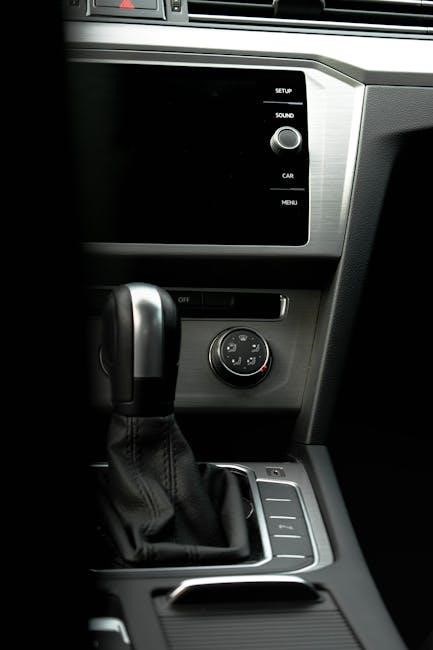
Drivers can often influence gear selection through the shift lever‚ choosing options like ‘Drive’‚ ‘Sport’‚ or manual mode (allowing some driver control). Dual-clutch transmissions (DCTs) offer particularly swift and seamless gear changes‚ mimicking the responsiveness of a manual while retaining the convenience of automation.
Advantages of Driving an Automatic Car
Automatic transmissions prioritize convenience and ease of use‚ eliminating the need for constant clutch and gear lever manipulation. This significantly reduces driver fatigue‚ particularly in stop-and-go traffic‚ making daily commutes more relaxed and less demanding.
Automatics allow drivers to focus more intently on steering and road awareness‚ potentially enhancing safety. The absence of manual shifting can also be beneficial for drivers with physical limitations or those new to driving. Modern automatics often feature sophisticated electronic controls‚ optimizing gear selection for fuel efficiency.
Dual-clutch transmissions (DCTs) offer a compelling blend of convenience and performance‚ providing rapid‚ smooth gear changes that rival those of a skilled manual driver. This makes automatics increasingly appealing even to driving enthusiasts.
Disadvantages of Driving an Automatic Car
While convenient‚ automatic transmissions can sometimes feel less engaging for drivers who enjoy a direct connection to the vehicle. The lack of manual control can diminish the sense of involvement and responsiveness‚ potentially reducing the overall driving experience.
Historically‚ automatics were less fuel-efficient than manuals‚ though advancements in technology have narrowed this gap. However‚ some automatics still experience power loss during the torque conversion process. Furthermore‚ automatic transmissions can be more complex and potentially more expensive to repair than their manual counterparts.
Certain high-performance sports cars‚ like the Mercedes-Benz AMG GT Coupe and Ferrari models‚ are no longer offered with manual gearboxes‚ limiting options for drivers seeking ultimate control.
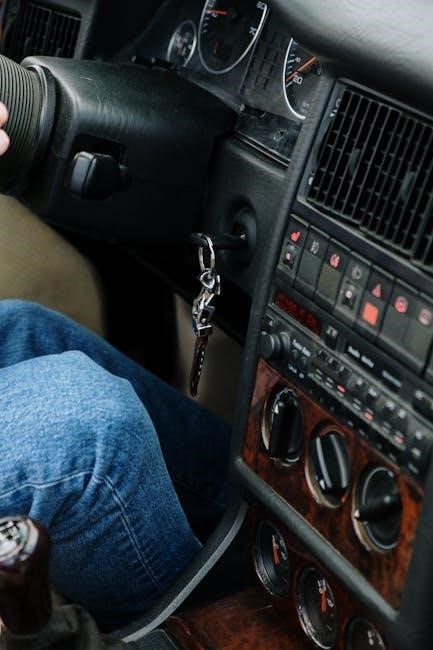
Comparing Reliability and Maintenance
Generally‚ manuals exhibit fewer issues if well-maintained‚ offering simpler mechanics and easier‚ cheaper clutch replacements when needed‚ though automatics are improving steadily.
Manual Transmission Reliability
Manual transmissions generally boast a reputation for robust reliability‚ particularly when treated with care and not subjected to abusive driving habits. Their simpler mechanical design‚ lacking the complex hydraulic systems of automatics‚ inherently reduces potential failure points.
However‚ reliability isn’t guaranteed; a neglected manual can suffer from worn synchronizers‚ leading to grinding gears‚ or a failing clutch.
Crucially‚ clutch health significantly impacts long-term reliability. While clutch replacement is a routine maintenance item‚ preventative care and smooth shifting techniques can extend its lifespan considerably.
Proper fluid changes are also essential‚ ensuring optimal lubrication and preventing internal wear. Overall‚ a well-maintained manual transmission often proves exceptionally durable‚ potentially outlasting its automatic counterparts‚ especially in older vehicles.
Automatic Transmission Reliability

Automatic transmissions‚ while offering convenience‚ historically faced reliability concerns due to their intricate design. Modern automatics have significantly improved‚ incorporating more durable components and sophisticated control systems‚ yet potential issues remain.
The complexity of an automatic—with its torque converter‚ planetary gearsets‚ and hydraulic valve body—introduces more potential failure points compared to a manual. Overheating‚ caused by heavy towing or aggressive driving‚ is a common culprit leading to transmission damage.
Regular fluid changes are paramount for automatic transmission health‚ as the fluid serves as both a lubricant and a hydraulic medium. Neglecting this maintenance can lead to internal wear and eventual failure.
While repairs can be costly‚ many modern automatics‚ when properly maintained‚ can provide years of reliable service.
Cost of Maintenance: Manual vs. Automatic
Generally‚ manual transmissions tend to have lower overall maintenance costs compared to automatics. This stems from their simpler mechanical design‚ reducing the number of components prone to failure. A significant expense for automatics is transmission fluid changes‚ required at specific intervals to maintain optimal performance.
However‚ the most substantial potential cost for a manual is clutch replacement. While clutches are external and relatively easier to replace‚ the labor and parts can still represent a considerable expense.
Automatics may incur higher repair bills if major components like the torque converter or valve body fail. Despite this‚ preventative maintenance on both types is crucial.
Ultimately‚ the total cost depends heavily on driving habits and vehicle condition‚ but manuals often present a more budget-friendly long-term ownership experience.
Clutch Replacement Considerations
For manual transmission vehicles‚ clutch replacement is a predictable maintenance item‚ though its timing varies significantly based on driving style. Aggressive driving‚ frequent stop-and-go traffic‚ and towing will accelerate clutch wear. Recognizing symptoms like slipping‚ difficulty shifting‚ or a spongy pedal are crucial indicators.
The cost of clutch replacement encompasses parts – the clutch disc‚ pressure plate‚ and throw-out bearing – and labor. Prices fluctuate based on vehicle make and model‚ and the mechanic’s rates.
It’s often advisable to replace the flywheel concurrently‚ especially if it’s been resurfaced previously or shows signs of wear.
Unlike automatics‚ which may face complex internal repairs‚ a clutch replacement is a relatively straightforward procedure for experienced mechanics‚ potentially lowering labor costs.
Performance and Driving Experience
Manual transmissions offer heightened driver engagement and control‚ while automatics prioritize convenience and ease of use. Dual-clutch systems bridge this gap‚
delivering both responsiveness and simplicity.
Manual Transmission: Driver Engagement
The core appeal of a manual transmission lies in the direct connection it fosters between driver and machine. This isn’t merely about operating a vehicle; it’s about actively participating in the driving experience‚ demanding focused attention and skillful coordination.
Unlike the detached feel of an automatic‚ a manual requires the driver to consciously select gears‚ controlling engine speed and power delivery. This active involvement eliminates distractions‚ as using both hands on the steering wheel and footwork for clutch and pedals inherently discourages multitasking.
For enthusiasts‚ this level of control is profoundly rewarding. It allows for a more intimate understanding of the car’s capabilities and a greater sense of accomplishment when navigating challenging roads. The feeling of perfectly timed shifts and maintaining optimal engine performance is a unique pleasure that automatics simply cannot replicate.
Many drivers find this engagement enhances focus‚ leading to a more immersive and enjoyable driving experience‚ especially for those who genuinely enjoy driving.
Automatic Transmission: Convenience and Ease
Automatic transmissions prioritize simplicity and convenience‚ removing the complexities of clutch operation and gear selection. This makes driving significantly easier‚ particularly in congested urban environments or for drivers who prefer a less demanding experience.
The absence of a clutch pedal and manual shifting reduces driver workload‚ allowing for greater focus on steering and observing surroundings. This can be especially beneficial for longer journeys‚ minimizing fatigue and enhancing overall comfort.
Modern automatic transmissions‚ including dual-clutch systems‚ offer remarkably smooth and efficient gear changes‚ often surpassing the speed and precision of even skilled manual drivers. These advancements blur the lines between traditional automatics and manuals‚ providing a compelling alternative for performance-oriented drivers.
For many‚ the ease of use outweighs any perceived loss of driver engagement‚ making automatics the preferred choice for everyday commuting and general transportation.
Dual-Clutch Transmissions: Bridging the Gap
Dual-clutch transmissions (DCTs) represent a significant evolution in automotive technology‚ effectively merging the benefits of both manual and automatic systems; They utilize two separate clutches for odd and even gears‚ pre-selecting the next gear for incredibly rapid and seamless shifts.
This design allows for lightning-fast gear changes‚ often quicker than a skilled manual driver can achieve‚ while eliminating the need for a traditional clutch pedal and manual shifting. The result is a driving experience that feels both engaging and effortless.
Vehicles like the Chevrolet Corvette C8 and many Porsche 911 variants showcase the capabilities of DCTs‚ offering exceptional performance and control. They provide the driver with a heightened sense of connection to the vehicle without the physical demands of a manual gearbox.
DCTs are becoming increasingly popular in sports cars and performance vehicles‚ demonstrating their ability to deliver a truly dynamic and rewarding driving experience.
Sports Cars and Transmission Choices (Mercedes-Benz AMG GT‚ Chevrolet Corvette‚ Ferrari‚ Lamborghini‚ Porsche 911)
The landscape of transmission availability in the sports car world is shifting‚ with a notable trend towards automatic and dual-clutch systems. The Mercedes-Benz AMG GT Coupe and Chevrolet Corvette C8 are currently sold exclusively without a manual gearbox option‚ prioritizing performance and accessibility.
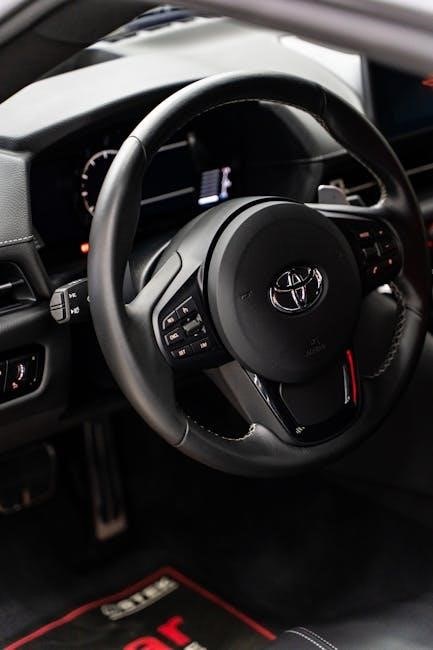
Iconic brands like Ferrari and Lamborghini have entirely discontinued offering manual transmissions‚ focusing solely on automated systems to maximize speed and driver assistance. However‚ Porsche 911 continues to offer both options‚ catering to purists and those seeking convenience.
Many modern high-performance variants‚ including the Corvette‚ now utilize dual-clutch automatics‚ providing incredibly fast shifts and enhanced control. This reflects a broader industry move towards optimized performance through advanced transmission technology.
The choice ultimately depends on driver preference‚ but the availability of manual options is dwindling even in enthusiast-focused vehicles.

Safety Considerations
Debating transmission safety is complex‚ as numerous variables influence driving outcomes; focusing solely on transmission type is insufficient. Driver focus and control are paramount in both systems.
Debunking Safety Myths
A common misconception suggests manual transmissions are inherently safer‚ demanding greater driver attention and preventing distractions. However‚ this oversimplifies the reality of driving safety‚ as numerous factors contribute to accidents. It’s inaccurate to boil down safety solely to the transmission type.
The argument that manual transmissions prevent multitasking is also flawed. While requiring more physical engagement‚ a driver can still be distracted by external factors regardless of the transmission. Conversely‚ automatic transmissions don’t automatically equate to inattentiveness.
Ultimately‚ driver skill‚ road conditions‚ and attentiveness are far more critical determinants of safety than whether a car has a manual or automatic gearbox. Responsible driving habits and adherence to traffic laws are paramount for all drivers‚ irrespective of their vehicle’s transmission.
Focus and Control in Both Transmission Types
The perception of control differs significantly between manual and automatic transmissions. Manuals often provide a more direct connection to the vehicle‚ engaging the driver in the process of gear selection and engine speed management‚ fostering a sense of involvement.
However‚ this doesn’t inherently translate to superior control. Automatic transmissions‚ particularly modern ones‚ offer precise and responsive gear changes‚ allowing drivers to maintain focus on steering and surrounding traffic conditions.
A skilled driver can achieve excellent control in either system. Manuals demand constant attention to clutch and shifter‚ while automatics allow for greater concentration on the road. Ultimately‚ the driver’s proficiency and awareness are the key determinants of effective control‚ not the transmission itself.
Future Trends in Automotive Transmissions
Electric vehicles are increasingly adopting single-speed transmissions‚ while automatic transmission technology continues to evolve‚ offering enhanced efficiency and responsiveness for both types.
The Rise of Electric Vehicles and Single-Speed Transmissions
The burgeoning electric vehicle (EV) market is significantly reshaping transmission technology. Unlike internal combustion engine vehicles requiring multiple gears to manage engine speed and torque‚ EVs deliver instant torque across a broad range. This characteristic renders complex multi-gear transmissions largely unnecessary.
Consequently‚ most EVs employ single-speed transmissions – a simple gear reduction system. This design streamlines the drivetrain‚ reducing weight‚ complexity‚ and potential failure points. While offering simplicity‚ these transmissions still require robust construction to handle the high torque output of electric motors.
This shift impacts the future of both manual and automatic transmissions. The demand for traditional transmissions may decline as EV adoption increases‚ potentially leading to further innovation in automatic transmission designs focused on efficiency and smoothness‚ while manual transmissions may become niche offerings.
Continued Development of Automatic Transmission Technology
Despite the rise of EVs‚ automatic transmission technology isn’t stagnating; it’s evolving rapidly. Manufacturers are focusing on enhancing efficiency‚ smoothness‚ and responsiveness in conventional automatic transmissions. Advancements include more sophisticated control algorithms‚ improved torque converter designs‚ and the increased use of lighter materials.
Dual-clutch transmissions (DCTs)‚ offering the control of a manual with automatic convenience‚ remain a key area of development. DCTs are becoming increasingly prevalent in performance vehicles‚ like some Porsche 911 variants‚ providing exceptionally fast and precise gear changes.
Further innovations aim to bridge the gap between traditional automatics and the direct feel of manuals. These include predictive shifting systems that anticipate driver intentions and adaptive learning algorithms that tailor shift patterns to individual driving styles‚ enhancing the overall driving experience.