Prepper Survival Guide: A Comprehensive Plan
A workbook assists users in crafting emergency plans, featuring stories, photos, and gear ideas. Adapting to your environment is key,
utilizing resources effectively. Preppers prepare for radical change, mirroring the industrious ant, not the carefree cicada.
The Italian Prepper Association (AIP) welcomes tracking courses, focusing on self-rescue and locating others. Prepping isn’t Hollywood’s depiction; it’s about preparedness and community support.
Understanding the Prepper Mindset
The prepper mindset isn’t about fear-mongering or dwelling on disaster; it’s a proactive approach to life, rooted in self-reliance and responsible planning. It’s acknowledging that disruptions – natural disasters, economic downturns, or unforeseen crises – can happen, and preparing accordingly. This isn’t paranoia, but pragmatic risk management.
Central to this mindset is the concept of “adapting to your environment,” making the most of available resources. It’s about embracing the philosophy of the ant, diligently preparing for potential hardships, rather than the cicada, who lives only for the present. Preppers aren’t necessarily stockpiling for apocalyptic scenarios, but building resilience into their lives.
The Italian Prepper Association (AIP) emphasizes that preppers aren’t the figures often portrayed in media. They are individuals focused on preparedness, community, and practical skills. It’s a mindset of self-sufficiency, aiming to mitigate the impact of unforeseen events on themselves and their loved ones, fostering a sense of control in an uncertain world.
Defining Potential Threats & Risks
Prepper preparedness begins with a realistic assessment of potential threats. These aren’t limited to large-scale disasters; they encompass a wide spectrum of risks, from natural events like severe storms and earthquakes to economic instability and societal disruptions. Recognizing that “radical change” is possible is fundamental.
Threats can be localized – a regional power outage, a contaminated water supply – or global, such as pandemics or geopolitical conflicts. The prepper mindset involves evaluating the likelihood and potential impact of each risk, tailoring preparations accordingly. It’s about anticipating vulnerabilities and developing mitigation strategies.
Understanding your specific environment is crucial. Coastal regions face different risks than inland areas. Urban dwellers have different concerns than those in rural settings. The AIP emphasizes adapting to your surroundings. A comprehensive risk assessment forms the foundation of any effective preparedness plan, ensuring resources are allocated efficiently and effectively.
The Core Principles of Preparedness
The essence of preparedness lies in self-reliance and adaptability. It’s about minimizing dependence on external systems that could fail during a crisis. This isn’t about fear-mongering, but about responsible risk management, mirroring the “formica” – the ant – that diligently prepares for winter.
Key principles include redundancy – having multiple ways to achieve essential tasks, like obtaining water or generating power. Financial preparedness is also vital, ensuring access to resources when traditional systems are disrupted. Community plays a role; the AIP highlights the importance of local networks.
Preparedness isn’t a one-time event, but an ongoing process of learning, adapting, and refining your plans. It requires a pragmatic approach, focusing on practical skills and readily available resources. “Necessity is the mother of invention,” and a prepper mindset embraces resourceful problem-solving.
Essential Prepper Supplies Checklist
Prepper kits contain everyday items for frequent or recurring use, focusing on utility. Generators are crucial post-storm, alongside water, food, and first aid essentials for self-sufficiency.
Water Storage and Purification
Water is paramount for survival, demanding careful planning and multiple sourcing strategies. Storing potable water is the first step, utilizing food-grade containers in a cool, dark location. Consider the quantity needed – at least one gallon per person per day for drinking and sanitation.
However, reliance solely on stored water is risky. Purification methods are essential for utilizing natural sources; Boiling water for one minute effectively kills most harmful bacteria and viruses. Water filters, ranging from portable straws to larger gravity-fed systems, remove sediment and pathogens.
Chemical purification, using iodine tablets or bleach (following precise instructions), offers another option. Understanding the limitations of each method is crucial. Temperature differentials can even be leveraged with thermoelectric generators to potentially aid in purification processes, though this is a less conventional approach. Regularly rotate stored water and maintain purification supplies to ensure readiness.
Food Storage: Long-Term Options
Long-term food storage is a cornerstone of preparedness, requiring a diversified approach beyond simply stockpiling canned goods. Dehydrated and freeze-dried foods offer extended shelf lives and reduced weight, ideal for bug-out scenarios. Grains like rice and wheat, stored properly in airtight containers with oxygen absorbers, can last for decades.
Consider the nutritional balance of your food stores. Include essential fats, proteins, and vitamins. Canned meats, beans, and vegetables provide valuable nutrients. Learning food preservation techniques – canning, fermenting, and smoking – enhances self-reliance and expands storage options.
Financial preparedness plays a role; acquiring sufficient supplies can be costly. Prioritize calorie-dense foods and rotate stock regularly to prevent spoilage. Long-term food production, like gardening, complements stored supplies, offering a sustainable food source.
First Aid and Medical Supplies
A comprehensive first aid kit is paramount, extending beyond basic bandages. Include trauma dressings, tourniquets, and supplies for wound closure. Mastering basic first aid and trauma care skills is crucial; consider formal training. Stockpile essential medications, both prescription and over-the-counter, with a long shelf life.
Antiseptics, antibiotics (if legally obtainable and with proper knowledge), and pain relievers are vital. Don’t forget items for hygiene – soap, hand sanitizer, and feminine hygiene products. A first aid manual provides guidance in emergencies, but practical experience is invaluable.
Understand how to treat common injuries and illnesses without immediate medical access. Knowledge of herbal remedies can supplement conventional supplies. Regularly check and replenish your kit, ensuring all items are current and functional.
Shelter and Warmth
Shelter protects against the elements, crucial for survival. This ranges from a robust tent to knowledge of building improvised shelters. Consider a tarp – versatile for rain protection and ground cover. Warmth is equally vital; hypothermia is a significant threat.
Pack layers of clothing, including moisture-wicking base layers, insulating mid-layers, and a waterproof outer shell. Wool and synthetic materials retain warmth even when wet. Sleeping bags rated for colder temperatures are essential, alongside sleeping pads for insulation from the ground.
Fire-starting tools (matches, lighters, ferro rods) are critical for warmth and cooking. Blankets, hand warmers, and a hat provide additional protection. Adapting to your environment dictates shelter needs – desert versus arctic requires different strategies.
Power & Communication in a Crisis
Generators and thermoelectric devices offer power, especially vital post-disaster. Alternative communication – radios, satellite phones – bypasses disrupted networks. Staying connected ensures safety.
Generators: A Critical Resource
In a crisis, generators become indispensable, consistently being the first items depleted from shelves following severe weather events. They provide essential power for lighting, communication, medical devices, and maintaining a semblance of normalcy. However, reliance on generators necessitates careful planning.
Consider fuel storage – gasoline degrades over time, requiring stabilizers or rotation. Propane offers a longer shelf life but requires compatible generators. Dual-fuel models provide flexibility. Regular maintenance is crucial; generators need testing and servicing to ensure reliable operation when needed most.
Safety is paramount. Generators produce carbon monoxide, a deadly, odorless gas. Never operate a generator indoors or in a poorly ventilated space. Proper grounding and adherence to manufacturer’s instructions are essential to prevent electrical hazards. Explore solar generators as a quieter, emission-free alternative, though initial costs are higher.
Thermoelectric Generators: Utilizing Heat
Thermoelectric generators (TEGs) represent a fascinating addition to the prepper’s toolkit, offering power generation from readily available heat sources. Devices like the PowerPot demonstrate this capability, converting heat from a stove into usable electricity – enough to charge essential communication devices like cell phones.
The efficiency of a TEG is directly linked to the temperature differential between its hot and cold sides. Consequently, colder climates enhance performance, maximizing power output. These generators are particularly valuable when traditional fuel sources are scarce or unavailable. They offer a silent, emission-free power solution.
While TEGs produce less power than traditional generators, their portability and reliance on renewable heat make them a valuable supplement to a comprehensive preparedness plan. Consider integrating TEGs with gasification stoves for a combined cooking and power generation system.

Alternative Communication Methods
In a crisis, reliance on conventional communication infrastructure – cell towers, internet – is precarious. Preppers must establish redundant communication methods. Ham radio offers long-range communication capabilities, independent of commercial networks, requiring licensing and training.
Family Radio Service (FRS) and General Mobile Radio Service (GMRS) provide shorter-range, license-free communication for localized coordination. Consider investing in handheld two-way radios for immediate team communication. Pre-arranged signaling methods, like visual signals (mirrors, flags) or pre-determined meeting points, are crucial backups.
Satellite communicators, though costly, offer global coverage for emergencies. Regularly practice communication protocols with your group. A pre-established communication plan, including frequencies and schedules, is vital for effective coordination when conventional systems fail.
Skills for Survival
Mastery of first aid, trauma care, and fire-starting is paramount. Navigation and tracking skills are essential for resource acquisition and self-rescue in challenging environments.
Basic First Aid & Trauma Care
In a crisis, professional medical help may be unavailable, making self-reliance crucial. Mastering basic first aid and trauma care is non-negotiable for any prepper. This includes wound management – cleaning, bandaging, and recognizing infection signs. Learn to control bleeding through direct pressure, elevation, and tourniquet application (with proper training, of course!).
Understanding how to splint fractures, treat burns, and manage sprains are also vital skills. Familiarize yourself with recognizing and addressing shock, a life-threatening condition often accompanying severe injuries. A well-stocked first aid kit is essential, but knowledge is even more so. Consider taking a wilderness first aid course to gain hands-on experience and confidence.
Beyond immediate care, understanding basic hygiene and sanitation will prevent infections. Knowing how to improvise medical supplies from available resources can be a lifesaver when your kit runs low. Prioritize training and practice to ensure you can effectively respond to emergencies.
Fire Starting Techniques
Fire provides warmth, cooks food, purifies water, and offers psychological comfort – a cornerstone of survival. Mastering multiple fire-starting methods is paramount for preppers. Relying solely on matches or lighters is risky; they can become wet or run out. Practice with ferrocerium rods (“ferro rods”), which create sparks even when wet. Learn the bow drill method, a primitive but reliable technique requiring practice and suitable materials.
Understand tinder selection – dry grasses, birch bark, cotton balls soaked in petroleum jelly are excellent choices. Proper kindling is equally important, gradually increasing the size of the wood. Shelter your fire from wind and rain. Always practice fire safety, clearing a ten-foot radius around the fire pit and having water nearby.
Knowing how to build different fire lays (teepee, log cabin) optimizes burning efficiency. Fire is a critical skill; consistent practice builds confidence and ensures you can create warmth and safety when it matters most.
Navigation & Tracking Skills
Losing your way can quickly turn a survival situation dire. Mastering navigation and tracking is crucial for preppers. Traditional map and compass skills are fundamental; GPS devices can fail due to battery depletion or signal loss. Learn to read topographic maps, understand declination, and accurately determine your location.
Tracking involves identifying and interpreting signs left by people or animals – footprints, broken branches, disturbed vegetation. This skill aids in locating resources, avoiding danger, or finding lost individuals. The Italian Prepper Association (AIP) offers tracking courses focused on self-rescue and locating others, emphasizing following your own tracks for return.
Practice observing your surroundings, noting landmarks, and creating mental maps. Combine these skills with knowledge of natural navigation using the sun, stars, and prevailing winds. Proficiency in navigation and tracking enhances self-reliance and increases your chances of a successful outcome;
Building a Prepper Kit
A prepper kit includes everyday carry (EDC) essentials and a bug-out bag (BOB). These kits contain items for daily use or specific, recurring emergencies, ensuring preparedness.
Everyday Carry (EDC) Essentials
Everyday Carry, or EDC, represents the foundational layer of preparedness, encompassing items you utilize daily and could prove invaluable during unforeseen circumstances. This isn’t about bulky survival gear, but rather practical tools integrated seamlessly into your routine. A robust EDC kit should prioritize versatility and discreetness.
Core components typically include a high-quality knife – a multi-tool is an excellent alternative – for various tasks; A reliable flashlight, preferably LED, is crucial for navigating darkness or signaling for help. Fire-starting tools, such as a lighter or ferro rod, provide a means to create warmth and cook food.
Beyond these basics, consider a small first-aid kit for minor injuries, a means of communication like a whistle, and a form of self-defense appropriate for your location and legal restrictions. Cash in small denominations can be a lifesaver during electronic payment system failures. Finally, a durable, waterproof bag to contain these essentials completes your EDC setup. Remember, the goal is to be prepared for the unexpected, without drawing undue attention.
Bug-Out Bag (BOB) Contents
A Bug-Out Bag (BOB), or go-bag, is a portable kit containing essential supplies for a rapid evacuation. Unlike EDC, a BOB is designed for sustained self-reliance over a period of 72 hours or longer. Prioritize items supporting shelter, water, food, and security.
Essential inclusions are a water filter or purification tablets, non-perishable food items with a long shelf life, and a lightweight shelter like a tarp or emergency bivy. Warm clothing, including layers for varying conditions, is vital. A comprehensive first-aid kit, exceeding EDC size, should address more serious injuries.
Navigation tools – map and compass – are crucial, alongside a communication device like a hand-crank radio. Don’t forget essential hygiene items, a multi-tool, duct tape, and a headlamp. Consider including self-defense tools, based on legal restrictions. Finally, copies of important documents and cash complete the BOB, ensuring preparedness for a swift and sustained departure.
Home Defense Strategies
A robust home defense plan is crucial for preppers, extending beyond simply owning a firearm. Layered security is key, starting with reinforcing entry points – doors and windows – with stronger locks and materials. Exterior lighting deters potential intruders, while trimming landscaping eliminates hiding spots.
Develop a family communication plan and designated safe rooms. Consider a security system with alarms and cameras, but remember these can be bypassed. Firearms training is essential for responsible gun ownership and effective self-defense. However, defense isn’t solely about weaponry.

Non-lethal options, like pepper spray or tasers, can provide alternatives. Establishing a neighborhood watch program fosters community vigilance. Finally, practice situational awareness – being observant of your surroundings – is the first line of defense. Remember, prevention and deterrence are often more effective than direct confrontation.
Community & Self-Reliance
Local communities play a vital role in preparedness, offering mutual support and resource sharing. Adapting to your environment and financial planning are also essential for resilience.
The Role of Local Communities
Building strong relationships within your local community is a cornerstone of effective preparedness. While self-reliance is crucial, no one can truly be prepared for every eventuality alone. A network of trusted neighbors, friends, and local organizations significantly enhances your ability to respond to and recover from crises.
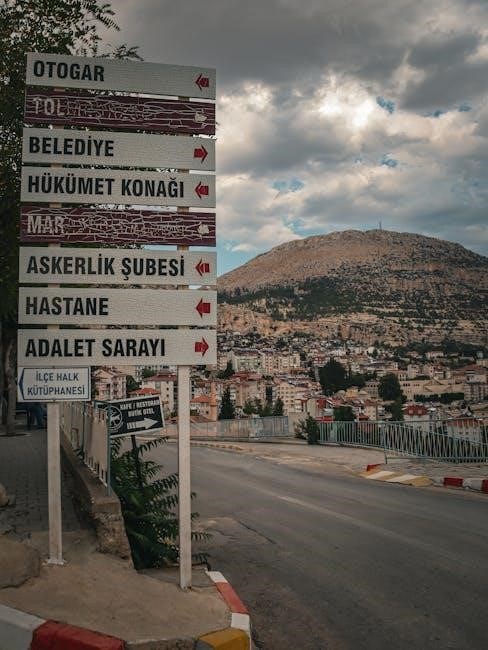
Consider forming mutual aid groups where individuals can share skills, resources, and information. This could include collaborative gardening efforts for food security, shared tool libraries, or coordinated communication plans. Local knowledge is invaluable – understanding your area’s specific vulnerabilities, potential hazards, and available resources is paramount.
The Italian Prepper Association (AIP) emphasizes community engagement, demonstrating a recognition that collective preparedness is far more robust than individual efforts. Participating in local emergency preparedness initiatives and fostering a spirit of cooperation will not only strengthen your own resilience but also contribute to the overall well-being of your community. Remember, a connected community is a more secure community.
Adapting to Your Environment
True preparedness isn’t about a one-size-fits-all approach; it’s about tailoring your strategies to your specific environment. A prepper in a rural, forested area will have vastly different needs and priorities than someone in an urban setting. Understanding your local climate, terrain, and available resources is fundamental.
Assess potential hazards unique to your region – are you prone to earthquakes, hurricanes, wildfires, or severe winter storms? Learn to utilize local flora and fauna for food, medicine, and shelter. The ability to “make do” with what’s readily available is a vital skill. As the Italian prepper philosophy suggests, making “necessity a virtue” is key.
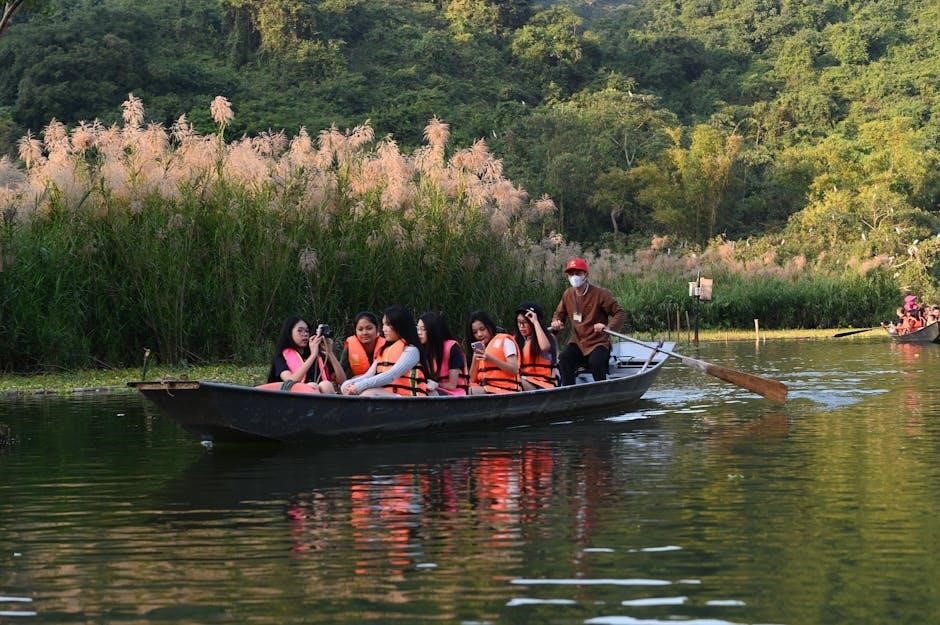
Consider your local building materials and construction techniques for shelter. Master skills relevant to your surroundings, like foraging, hunting, or water sourcing. Adapting isn’t just about survival; it’s about thriving in the face of adversity, leveraging your environment to your advantage.
Financial Preparedness
Financial stability is a cornerstone of any robust preparedness plan. While stockpiling supplies is crucial, having readily accessible funds provides flexibility and options during a crisis. Consider establishing an emergency fund, separate from your regular savings, specifically earmarked for unforeseen circumstances.
Diversify your assets; don’t rely solely on traditional banking systems. Explore options like precious metals, cryptocurrency (with caution and understanding of the risks), and barter-friendly goods. Reducing debt is also paramount, as financial obligations can become crippling when income streams are disrupted.
The ability to acquire essential resources – food, water, medical supplies – often hinges on having financial means. Remember, as noted, fantastic preparation requires significant funds. Prioritize financial resilience alongside physical preparedness for a truly comprehensive survival strategy.
Advanced Prepper Considerations
Long-term food production, security measures, and understanding associations like AIP are vital. Tracking skills aid return/rescue, while preparing for radical events ensures resilience.
Long-Term Food Production
Beyond simple storage, sustained survival necessitates establishing independent food sources. This moves prepping beyond reacting to crises and towards genuine self-reliance. Consider the climate and your available space when selecting methods. Gardening, even in limited areas, provides fresh produce and seeds for future harvests.
Aquaculture, raising fish in tanks or ponds, offers a protein source with a relatively small footprint. Small livestock – chickens, rabbits – are efficient converters of feed to meat and eggs. Learning preservation techniques is crucial: canning, drying, fermenting, and smoking extend the shelf life of your bounty.
Seed saving ensures genetic diversity and independence from external suppliers. Heirloom varieties are particularly valuable. Furthermore, understanding foraging – identifying edible wild plants – supplements your cultivated food supply. Remember, long-term food production isn’t just about having food; it’s about creating a sustainable system.
Security Measures & Perimeter Defense
A secure location is paramount in a long-term crisis. Perimeter defense isn’t necessarily about fortifying against armed assault, though that’s a consideration. It begins with situational awareness – knowing your surroundings and potential threats. Natural barriers like dense woods or hills offer advantages, but require diligent monitoring.
Layered security is most effective. This includes clear visibility around your property, well-maintained fences, and strategically placed lighting. Consider early warning systems – motion sensors, tripwires, or even trained animals. Reinforcing doors and windows is a basic step.
However, remember that security isn’t solely physical. OpSec (Operational Security) – concealing your preparations and resources – is vital. Avoid attracting unwanted attention. Building relationships with trusted neighbors can create a mutual support network and enhance collective security. A prepared community is far stronger than an isolated fortress.
Understanding Italian Prepper Associations (AIP)
The Associazione Italiana Prepper (AIP) represents a growing movement in Italy focused on preparedness and self-reliance. Contrary to popular depictions, the AIP emphasizes community support and practical skills over sensationalized scenarios. They actively dispel the “Hollywood” image of preppers as isolated survivalists.
The AIP offers a platform for knowledge sharing, training courses, and networking among individuals interested in emergency preparedness. These courses cover a wide range of topics, including tracking skills – learning to follow and locate individuals – and essential survival techniques.
The association promotes a philosophy of adapting to local environments and utilizing available resources effectively. They advocate for responsible preparedness, focusing on mitigating risks and building resilience within communities. The AIP’s open-door policy encourages collaboration and dispels misconceptions about the prepper lifestyle.
Tracking Skills for Return & Rescue
Mastering tracking skills is a crucial, often overlooked, component of comprehensive preparedness. These skills aren’t solely for locating others; they are vital for self-rescue, particularly if separated from your group or disoriented in unfamiliar terrain. Knowing how to follow your own tracks ensures a viable return path.
The Italian Prepper Association (AIP) recognizes this importance, offering specialized courses focused on tracking. These courses teach individuals to identify subtle signs – broken twigs, disturbed earth, and other indicators – revealing movement and direction. Understanding these clues allows for retracing steps and avoiding getting further lost.
Beyond self-rescue, tracking enables locating lost companions. Proficiency in tracking significantly increases survival odds in a crisis, providing a means of navigation and potentially connecting with help. It’s a foundational skill for any serious prepper, enhancing both independence and collaborative survival capabilities.
Preparing for Radical Change & Events
Prepping fundamentally revolves around anticipating and preparing for disruptive events – radical changes to the status quo. This isn’t about fearing the future, but realistically assessing potential risks and mitigating their impact. These events could range from natural disasters and economic collapses to societal unrest and geopolitical crises.
The core philosophy, as embraced by the prepper community, centers on self-reliance and minimizing dependence on fragile systems. This involves building stockpiles of essential supplies, developing practical skills, and fostering community resilience. It’s about proactively addressing vulnerabilities and creating a buffer against unforeseen circumstances.
Defining a “prepper” involves valuing preparedness, much like the diligent ant storing food for winter, contrasting with the unprepared cicada. Preparing for radical change isn’t paranoia; it’s responsible risk management, empowering individuals and communities to navigate uncertainty and thrive amidst adversity.