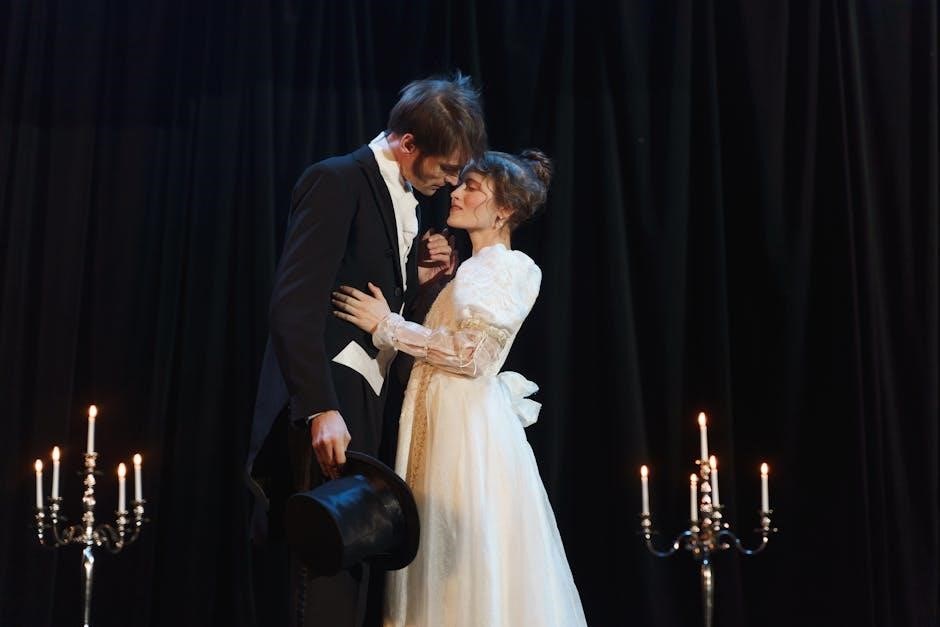
The Crucible: A Play in Four Acts ⸺ Comprehensive Guide
Arthur Miller’s impactful drama‚ The Crucible‚ is readily available as a PDF document for convenient study and analysis; download the 1139 kb file today!
Numerous online resources offer access to the complete text‚ including versions like “the-crucible-arthur-miller․pdf‚” facilitating deeper engagement with this classic play․
Explore the full script and character guides‚ such as “character_guide_crucible;doc‚” to enhance your understanding of the historical context and thematic complexities․
Understanding the PDF Availability
The Crucible‚ a cornerstone of American literature‚ enjoys widespread digital accessibility‚ primarily through readily available PDF versions of the complete script․ These digital copies‚ often found under filenames like “the-crucible-arthur-miller․pdf”‚ provide students‚ researchers‚ and enthusiasts with convenient access to Miller’s powerful play․
The proliferation of these PDFs stems from the play’s enduring relevance and frequent inclusion in academic curricula․ Many educational institutions and online platforms host the text‚ ensuring broad distribution․ The file size‚ typically around 1139 kb‚ allows for quick download and easy portability across various devices․
Furthermore‚ supplementary materials‚ such as character guides in ․doc format‚ often accompany the PDF‚ enriching the reading experience and aiding in comprehensive analysis of the play’s intricate themes and characters․
Locating and Downloading the PDF Version
Securing a PDF copy of The Crucible is remarkably straightforward․ A simple online search using keywords like “The Crucible PDF” or “arthur miller the-crucible-arthur-miller․pdf” will yield numerous results from various educational websites and digital libraries․
Many platforms offer direct download links‚ allowing immediate access to the 1139 kb file․ Exercise caution when selecting a source‚ prioritizing reputable websites to ensure the file’s integrity and safety․ Online alumni communities and educational resource sites are excellent starting points․
Alternatively‚ exploring online repositories dedicated to classic literature often features The Crucible in its collection․ Once located‚ the PDF can be easily saved to your device for offline reading and study‚ providing convenient access to Miller’s compelling drama․
File Size and Type Specifications (1139 kb‚ PDF)
The readily available digital version of The Crucible is distributed as a Portable Document Format (PDF) file‚ ensuring consistent formatting across various devices and operating systems․ The file size is conveniently compact‚ measuring approximately 1139 kilobytes (kb)․
This relatively small file size facilitates quick and efficient download times‚ even with moderate internet connections․ The PDF format preserves the original layout of the play‚ including act and scene divisions‚ dialogue‚ and stage directions‚ offering an authentic reading experience․
Its compatibility with standard PDF readers—such as Adobe Acrobat Reader—makes it universally accessible․ The PDF’s structure also allows for easy searching and navigation within the text‚ aiding in detailed analysis and research․

Historical Context and Themes
The Crucible powerfully explores the Salem witch trials‚ examining themes of fear‚ morality‚ and mass hysteria‚ all vividly presented within the PDF text․
The Salem Witch Trials: A Brief Overview
Arthur Miller’s The Crucible draws heavily from the historical events of the Salem witch trials of 1692-1693․ These trials‚ occurring in colonial Massachusetts‚ were a period of intense religious extremism and societal paranoia․
The accusations‚ often stemming from personal grudges or social anxieties‚ quickly spiraled into a frenzy of fear and suspicion․ Individuals‚ predominantly women‚ were accused of witchcraft‚ leading to public trials and‚ tragically‚ executions․
The PDF version of the play allows for close examination of how Miller utilizes these historical events as a backdrop to explore broader themes of injustice and the dangers of unchecked power․ Accessing the full text‚ like “the-crucible-arthur-miller․pdf”‚ provides crucial context for understanding the play’s allegorical layers and its enduring relevance․

Mass Hysteria as a Central Theme
Arthur Miller’s The Crucible powerfully portrays the devastating effects of mass hysteria within the Salem community․ The play demonstrates how fear and paranoia can rapidly consume a society‚ leading to irrational accusations and the erosion of individual rights․
The readily available PDF version of the script – such as “the-crucible-arthur-miller․pdf” – allows readers to trace the escalating tension and the spread of unfounded accusations․ Characters like Abigail Williams exploit the prevailing atmosphere of fear for personal gain‚ fueling the hysteria․
Through detailed dialogue and dramatic scenes‚ Miller illustrates how easily truth can be distorted and justice perverted when collective anxieties take hold․ Studying the play’s text reveals the dangers of succumbing to groupthink and the importance of critical thinking․
Fear‚ Morality‚ and Justice in the Play
The Crucible‚ accessible in PDF format (e․g․‚ “the-crucible-arthur-miller․pdf”)‚ deeply explores the interplay between fear‚ individual morality‚ and the pursuit of justice․ The play showcases how fear can override ethical considerations‚ compelling characters to make choices that compromise their integrity․
The text reveals a society where accusations‚ driven by fear of the Devil‚ dismantle the legal system and lead to wrongful convictions․ Characters grapple with difficult moral dilemmas‚ forced to choose between self-preservation and upholding their principles․
John Proctor’s struggle exemplifies this conflict‚ as he confronts the consequences of his past actions and ultimately chooses death over a false confession․ Examining the PDF allows a close reading of the dialogue‚ highlighting the play’s profound questions about justice and conscience․

Character Analysis
Download the PDF of The Crucible to dissect complex characters like Proctor‚ Abigail‚ and Hale‚ revealing their motivations and pivotal roles․
John Proctor: A Tragic Hero
John Proctor‚ a central figure in The Crucible‚ embodies the archetype of a tragic hero‚ readily explored within the accessible PDF version of the play․
Initially flawed by a past affair with Abigail Williams‚ Proctor strives for integrity and redemption amidst the escalating hysteria․ His internal conflict—between confessing a lie to save his life and maintaining his moral standing—forms the play’s core․
Downloading the PDF allows for close examination of his powerful dialogues‚ particularly his final‚ defiant act of refusing to sign a false confession‚ choosing death over compromising his honesty․ This pivotal moment solidifies his tragic stature‚ demonstrating a commitment to truth even in the face of overwhelming adversity․ His journey‚ fully detailed in the script‚ showcases the devastating consequences of societal pressures and individual failings․
Elizabeth Proctor: Integrity and Sacrifice
Elizabeth Proctor stands as a beacon of unwavering integrity throughout the tumultuous events of The Crucible‚ a character profoundly understood through studying the complete play PDF․
Initially presented as a reserved and perhaps somewhat cold figure‚ Elizabeth’s strength lies in her moral fortitude․ She endures unjust accusations and imprisonment with quiet dignity‚ prioritizing truth and her husband’s reputation above her own well-being․
Downloading the PDF reveals her subtle yet powerful influence on John‚ urging him towards honesty and ultimately accepting his tragic fate․ Her sacrifice—potentially saving her life by falsely accusing others‚ but refusing to do so—highlights her profound commitment to justice․ The script details her quiet resilience‚ making her a compelling example of moral courage in the face of societal breakdown․
Abigail Williams: Manipulation and Deceit
Abigail Williams is the central instigator of the hysteria in The Crucible‚ a character whose manipulative nature is fully exposed when examining the complete play PDF․
Driven by jealousy and a desire for power‚ Abigail expertly uses lies and accusations to eliminate her rivals and regain John Proctor’s affection․ The downloadable PDF reveals her calculated strategies‚ showcasing how she exploits the community’s fears and religious beliefs․
Her ability to feign piety and victimhood allows her to control the narrative and condemn innocent individuals․ Studying the script demonstrates her escalating deceit‚ culminating in a chilling display of ruthlessness․ Abigail’s character serves as a cautionary tale about the dangers of unchecked ambition and the destructive consequences of false accusations‚ vividly portrayed within the play’s text․
Reverend Hale: The Evolving Perspective
Reverend Hale’s journey throughout The Crucible is a compelling arc of intellectual and moral awakening‚ fully traceable when reviewing the complete play PDF․
Initially arriving in Salem as a confident expert in witchcraft‚ Hale believes he can discern truth from deception․ However‚ as the trials progress and the evidence mounts against the accused‚ his certainty begins to crumble․ The downloadable PDF highlights his growing doubts and eventual disillusionment with the court’s proceedings․
Hale’s attempts to save lives‚ particularly through his questioning of the girls and pleas for reason‚ demonstrate his evolving perspective․ He ultimately recognizes the injustice and corruption at the heart of the witch hunt‚ a transformation powerfully depicted within the play’s detailed script․
Tituba: Initial Accusations and Confession
Tituba’s role in initiating the accusations within The Crucible is pivotal‚ and her subsequent confession is a chilling demonstration of power dynamics‚ all readily examined within the play’s PDF version․
Pressured by Reverend Parris and subjected to intense interrogation‚ Tituba initially names Sarah Good and Sarah Osborne as fellow witches․ The downloadable PDF reveals the coercive tactics employed to extract a confession‚ highlighting the desperation to find scapegoats․
Her fabricated tales of flying and encounters with the Devil fuel the hysteria‚ providing a narrative framework for the girls’ accusations․ The text showcases how Tituba’s confession‚ born of fear and manipulation‚ unleashes a wave of false charges and sets the stage for the tragic events that unfold․

Key Scenes and Dialogue
The Crucible’s PDF offers impactful scenes‚ like the courtroom confrontations and Proctor’s confession‚ revealing crucial dialogue and escalating tensions throughout the four acts․
The Initial Accusations and Rising Tension
The Crucible’s PDF vividly portrays the play’s genesis – the unsettling accusations launched by Abigail Williams and her companions‚ igniting a wildfire of fear within Salem․
Initially centered around Tituba’s coerced confession – “I saw Goody Howe with the Devil!” – the accusations quickly spiral‚ fueled by hysteria and personal vendettas․
This section‚ readily accessible within the PDF version‚ showcases the escalating tension as Reverend Parris desperately seeks to understand the source of the “affliction‚” while Reverend Hale arrives to investigate․
The dialogue‚ such as Hale’s questioning of Tituba‚ demonstrates the mounting pressure and the desperate attempts to identify the supposed perpetrators of witchcraft‚ setting the stage for the ensuing chaos․
The PDF allows readers to closely examine how these initial claims unravel the fabric of the community․
Proctor’s Confession and Refusal
The Crucible’s PDF powerfully depicts John Proctor’s agonizing internal struggle as he faces the choice between a false confession and maintaining his integrity․
Initially willing to confess to save his life‚ Proctor falters when asked to sign a written statement that will publicly implicate others – a demand he finds morally reprehensible․
The PDF allows a close reading of his desperate plea‚ “Why‚ I would free my wife‚ sir‚” revealing his initial motivation and subsequent realization of the injustice․
His ultimate refusal‚ despite the threat of hanging‚ is a pivotal moment‚ showcasing his commitment to truth and his rejection of the court’s corrupt proceedings․
This climactic scene‚ easily accessible within the PDF‚ embodies the play’s central themes of morality‚ justice‚ and the courage to stand against societal pressure․
Hale’s Attempts to Free the Accused

The Crucible PDF vividly illustrates Reverend Hale’s evolving perspective and desperate efforts to rectify the escalating injustice within the Salem court․
Initially believing in the possibility of witchcraft‚ Hale gradually recognizes the fraudulent nature of the accusations and the manipulative tactics of Abigail Williams․
The text‚ readily available in the PDF format‚ showcases his fervent questioning – “You most certainly do‚ and you will free her from it now!” – aimed at exposing the lies․
Hale attempts to use logic and reason‚ even suggesting extreme measures like “rip and tear to get her free‚” demonstrating his growing desperation to save innocent lives․
However‚ his efforts are largely thwarted by the court’s unwavering belief in the spectral evidence‚ a tragic outcome detailed within the complete PDF version of the play․
Rebecca Nurse’s Steadfastness
The Crucible PDF powerfully portrays Rebecca Nurse as a beacon of unwavering integrity and moral fortitude amidst the chaos of the Salem witch trials․
Despite facing accusations and intense pressure to confess‚ Nurse resolutely maintains her innocence‚ embodying a steadfast commitment to truth and righteousness․
Her quiet dignity and unwavering faith are evident in the dialogue presented within the PDF‚ showcasing her refusal to succumb to the hysteria gripping Salem․
Hale’s questioning‚ as documented in the text – “I think…” – reveals Nurse’s calm and reasoned responses‚ contrasting sharply with the frantic accusations of the girls․
Rebecca Nurse’s tragic fate‚ detailed in the complete PDF version‚ underscores the devastating consequences of mass hysteria and the importance of standing firm in one’s convictions․
Dramatic Elements and Literary Devices
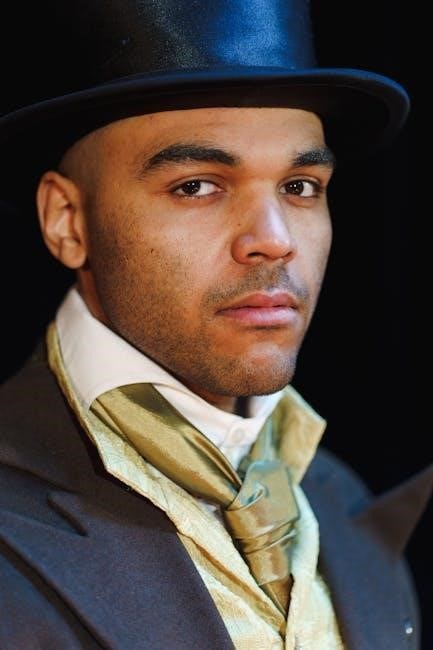
The Crucible PDF reveals Miller’s masterful use of allegory‚ symbolism‚ dramatic irony‚ and foreshadowing‚ enriching the narrative and deepening thematic resonance․
The Use of Allegory and Symbolism
Arthur Miller’s The Crucible‚ accessible in PDF format‚ functions powerfully as an allegory for McCarthyism‚ mirroring the Red Scare’s climate of fear and baseless accusations․
The Salem witch trials themselves symbolize the dangers of ideological extremism and the suppression of dissent․ Characters and events aren’t merely historical; they represent broader societal anxieties․
Symbolism is rife throughout the play․ For instance‚ the poppets represent the vulnerability of the accused to fabricated evidence‚ while the forest embodies the untamed‚ chaotic forces of repressed desires and rebellion․
Even names carry symbolic weight‚ contributing to the play’s layered meaning․ Examining the PDF allows for close analysis of these intricate symbolic connections‚ revealing Miller’s commentary on human nature and political persecution․
Dramatic Irony and Foreshadowing
Within the readily available PDF of The Crucible‚ Arthur Miller masterfully employs dramatic irony‚ where the audience possesses knowledge characters lack‚ heightening tension and tragedy․
We witness Abigail’s deceit from the outset‚ understanding her manipulative nature while characters like Reverend Hale initially trust her‚ creating a poignant sense of impending doom․
Foreshadowing also plays a crucial role; Early mentions of Tituba’s Caribbean tales hint at the potential for hysteria and the acceptance of fantastical accusations․ Dialogue‚ like Proctor’s concerns about Abigail‚ subtly predicts future conflicts․
Analyzing the play’s text in PDF format allows readers to trace these instances of dramatic irony and foreshadowing‚ appreciating how Miller builds suspense and underscores the play’s thematic concerns․
Dialogue as a Tool for Character Development
Examining the PDF version of The Crucible reveals how Arthur Miller utilizes dialogue to intricately develop each character’s personality and motivations․
Proctor’s guarded speech and internal conflicts are evident in exchanges like‚ “Why‚ I – I would free my wife‚ sir‚” showcasing his struggle with guilt and integrity․
Abigail’s manipulative tactics are displayed through her deceptive and accusatory language‚ while Hale’s evolving perspective is traced through his shifting tone and questioning․
The stark contrast in dialogue between characters like Rebecca Nurse‚ steadfast in her faith‚ and those consumed by hysteria‚ highlights their moral standings․
Analyzing the text in PDF format allows for a close reading of these exchanges‚ revealing the nuances of each character’s journey and the play’s central themes․
The Play’s Structure and Acts
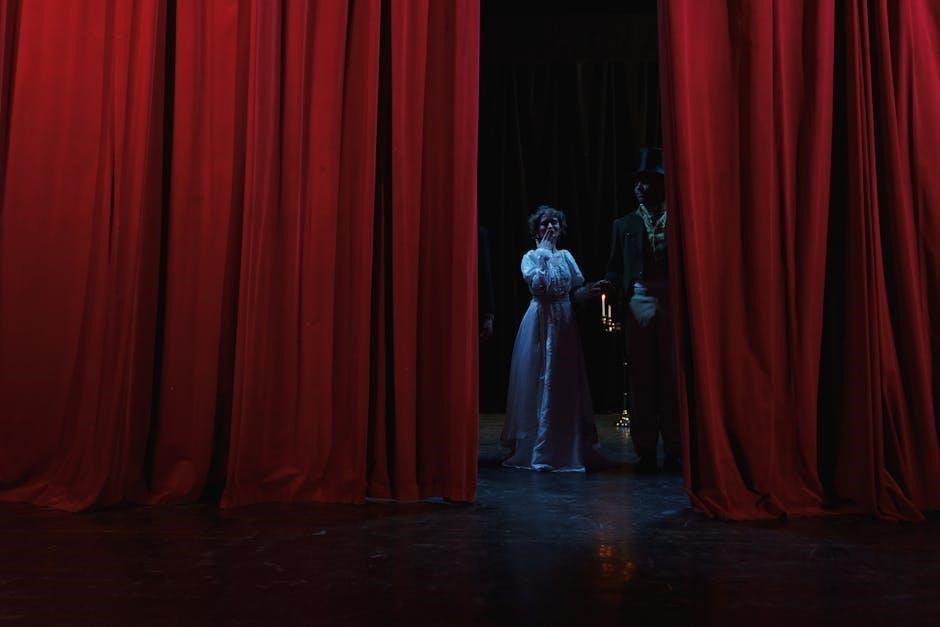
The Crucible’s four acts‚ easily accessible in the PDF version‚ build suspense‚ escalating accusations and culminating in a tragic climax of justice and sacrifice․
Act I: Establishing the Atmosphere of Suspicion
Act I of The Crucible‚ readily available within the complete play PDF‚ masterfully sets a chilling tone of paranoia and repressed anxieties within Salem․
The discovery of young girls dancing in the forest‚ led by Abigail Williams‚ immediately introduces a sense of forbidden activity and societal transgression‚ sparking initial concerns․
Reverend Parris’s anxieties over his daughter Betty’s illness‚ coupled with the rumors of witchcraft‚ quickly escalate the tension‚ fueling the community’s fears․
The arrival of Reverend Hale‚ a supposed expert in witchcraft‚ further intensifies the atmosphere of suspicion‚ as he begins to investigate the claims and question the villagers․
This act skillfully establishes the play’s central conflict and foreshadows the impending hysteria that will consume Salem‚ all within the accessible PDF format․
Act II: The Intensification of Accusations
Act II‚ easily accessed within the complete Crucible PDF‚ witnesses a dramatic escalation of accusations and mounting tension within the Salem community․
The focus shifts to the Proctor household‚ where John and Elizabeth grapple with the fallout from the initial accusations and the growing hysteria gripping the town․
Elizabeth’s impending arrest for witchcraft‚ based on Abigail Williams’s manipulative claims‚ throws the family into turmoil and highlights the injustice of the situation․
Hale’s increasingly desperate attempts to uncover the truth are met with resistance and further fuel the cycle of accusations‚ as more individuals are implicated․
This act‚ readily available in the PDF version‚ showcases the devastating consequences of unchecked fear and the fragility of justice in a society consumed by paranoia․

Act III: The Courtroom Confrontations
Act III‚ comprehensively detailed within the accessible Crucible PDF‚ explodes with intense courtroom drama as John Proctor attempts to expose Abigail Williams’s deceit․
Proctor presents Mary Warren’s testimony‚ hoping to dismantle the fabricated evidence and reveal the girls’ fraudulent claims of witchcraft‚ but faces fierce opposition․
The courtroom becomes a battleground of accusations and counter-accusations‚ with Abigail and the other girls skillfully manipulating the proceedings to maintain their power․
Reverend Hale‚ initially a staunch believer in the court’s legitimacy‚ begins to question the validity of the evidence and the integrity of the process․
This pivotal act‚ easily reviewed in the PDF‚ culminates in a dramatic turning point‚ solidifying the tragic trajectory of the play and the characters’ fates․
Act IV: The Climax and Resolution
Act IV‚ fully accessible within the Crucible PDF‚ delivers the play’s devastating climax as the consequences of the witch hunt reach their peak․
John Proctor‚ imprisoned and facing execution‚ grapples with the agonizing decision to confess falsely to save his life or maintain his integrity and die with his name intact․
Reverend Hale desperately attempts to persuade the accused to confess‚ believing any lie is better than a needless death‚ while others steadfastly refuse to compromise their principles․
The act showcases Rebecca Nurse’s unwavering faith and Elizabeth Proctor’s quiet strength‚ highlighting the moral courage of those unjustly accused․
Proctor’s ultimate refusal to sign the false confession‚ detailed in the PDF‚ represents a powerful affirmation of truth and individual conscience‚ even in the face of death․