
Femoral Nerve Exercises: A Comprehensive Guide
Navigating femoral nerve discomfort? This guide details exercises—flossing, sliders, strengthening, and stretching—to aid recovery, mirroring protocols reducing opioid use post-surgery․
Explore techniques for pain relief, improved mobility, and rehabilitation, emphasizing the importance of a tailored program and professional physiotherapy consultation for optimal results․
Understanding the Femoral Nerve
The femoral nerve is a crucial component of the lower body’s neurological system, originating from the lumbar plexus and extending down the thigh․ It’s primarily responsible for sensation in the skin covering the thigh and lower leg, as well as controlling the quadriceps muscles—vital for knee extension and walking․
Understanding its path is key; it travels through the groin, down the thigh, and branches into smaller nerves․ Irritation or compression along this route can lead to femoral nerve pain, impacting mobility and daily activities․ Effective rehabilitation, including specific exercises, aims to restore optimal nerve function and alleviate associated discomfort․ A comprehensive approach considers the nerve’s role in both sensory and motor functions․

What is Femoral Nerve Pain?
Femoral nerve pain manifests as discomfort, often described as aching, burning, or sharp, radiating down the thigh, and potentially into the knee and lower leg․ It can be accompanied by numbness, tingling, or weakness in the quadriceps, impacting walking and standing․ Pain scores often improve with new protocols, like those eliminating motor nerve blocks․
The intensity varies greatly, ranging from mild annoyance to debilitating pain that interferes with daily life․ Symptoms can be constant or intermittent, and may be aggravated by activities like walking or extending the knee․ Identifying the source of the pain is crucial, as it can stem from various causes, necessitating targeted exercises for effective relief and improved function․
Common Causes of Femoral Nerve Injury
Femoral nerve injuries arise from diverse factors, including compression, stretching, or direct trauma to the nerve․ Post-operative complications, particularly following knee replacement surgery, can irritate the nerve, prompting rehabilitation programs to alleviate tension․ Pelvic fractures, hematomas, or tumors can also exert pressure on the nerve․
Additionally, tight quadriceps or hip flexors can contribute to nerve impingement, highlighting the importance of stretching exercises․ Poor posture or repetitive movements may also play a role․ Understanding the underlying cause is vital for tailoring an effective exercise regimen, reducing mechanical stresses, and promoting optimal nerve recovery, as seen in successful patient cases․
Diagnosis of Femoral Nerve Issues
Accurate diagnosis is crucial before initiating any exercise program․ Clinicians typically employ a combination of physical examination and imaging techniques․ Assessment involves evaluating muscle strength in the quadriceps and hip flexors, alongside sensory testing to identify numbness or tingling patterns․
Pain provocation tests, assessing discomfort with specific movements, aid in pinpointing the nerve’s involvement․ Imaging studies, such as MRI or nerve conduction studies, may be utilized to rule out structural causes like compression or injury․ Determining if quadriceps tightness contributes to pain—indicated by limited knee flexion—guides exercise selection․ A musculoskeletal physiotherapist’s expertise is invaluable for a comprehensive evaluation and personalized plan․

Core Exercises for Femoral Nerve Rehabilitation
Targeted movements like femoral nerve flossing and sliders mobilize the nerve, while strengthening and stretching exercises enhance function and promote lasting relief․
Femoral Nerve Flossing (Mobilization)
Femoral nerve flossing, also known as mobilization, is a dynamic technique designed to improve nerve glide and reduce tension․ It involves a series of movements that gently stretch and release the femoral nerve as it travels through the leg․
Typically, this exercise begins with lying prone (on your stomach) and focusing on diaphragmatic breathing – deep, belly breaths․ Slowly bending the knee while maintaining a neutral spine initiates the stretch․ The goal isn’t to force the movement, but to create a gentle pull along the nerve pathway․
This technique aims to address restrictions and adhesions that may be contributing to nerve irritation and pain․ It’s crucial to perform these movements slowly and controlled, stopping if any sharp pain arises․ Consistent, gentle flossing can help restore optimal nerve function and alleviate associated symptoms․
How to Perform Femoral Nerve Flossing
Begin lying prone, resting your head comfortably on your forearms․ Engage in ten slow, deep belly breaths to initiate relaxation and prepare for movement․ Slowly bend your affected knee, bringing your heel towards your buttock․ Focus on feeling a gentle stretch in the front of your thigh – this indicates nerve engagement․
As you bend your knee, simultaneously extend the opposite leg straight․ This creates a contrast in movement, enhancing the nerve glide․ Hold the bent-knee position briefly, then slowly straighten your leg while bending the opposite knee․ Repeat this alternating pattern rhythmically․
Maintain a neutral spine throughout the exercise, avoiding any twisting or arching․ Perform 10-15 repetitions, focusing on smooth, controlled movements․ Stop immediately if you experience any sharp or radiating pain․
Precautions for Femoral Nerve Flossing
Prioritize safety when performing femoral nerve flossing․ Discontinue the exercise immediately if you experience any increase in leg pain, numbness, or tingling extending beyond a mild stretch․ Avoid flossing if you have acute femoral nerve inflammation or a recent injury to the hip, knee, or thigh․
Listen to your body; pain is a signal to stop․ If pain occurs before reaching 80 degrees of knee flexion, address potential quadriceps tightness or injury first․ Individuals with pre-existing conditions, such as nerve entrapments or vascular issues, should consult a physiotherapist before starting․
Proper form is crucial․ Avoid arching your back or twisting your body during the exercise․ Start slowly and gradually increase repetitions as tolerated․ A musculoskeletal physiotherapist can ensure the exercises are appropriate for your specific recovery needs․
Femoral Nerve Sliders
Femoral nerve sliders, also known as mobilization exercises, gently move the nerve through surrounding tissues, aiming to reduce adhesion and improve its gliding ability․ These exercises are distinct from stretches, focusing on nerve movement rather than muscle lengthening․ They are often recommended alongside other rehabilitation techniques․
Visual resources, like videos, can be helpful to ensure correct form, especially considering potential data usage when streaming․ These sliders are a key component in addressing femoral nerve irritation and associated symptoms like numbness or tingling․ Remember to consult a musculoskeletal physiotherapist to determine if sliders are appropriate for your condition․
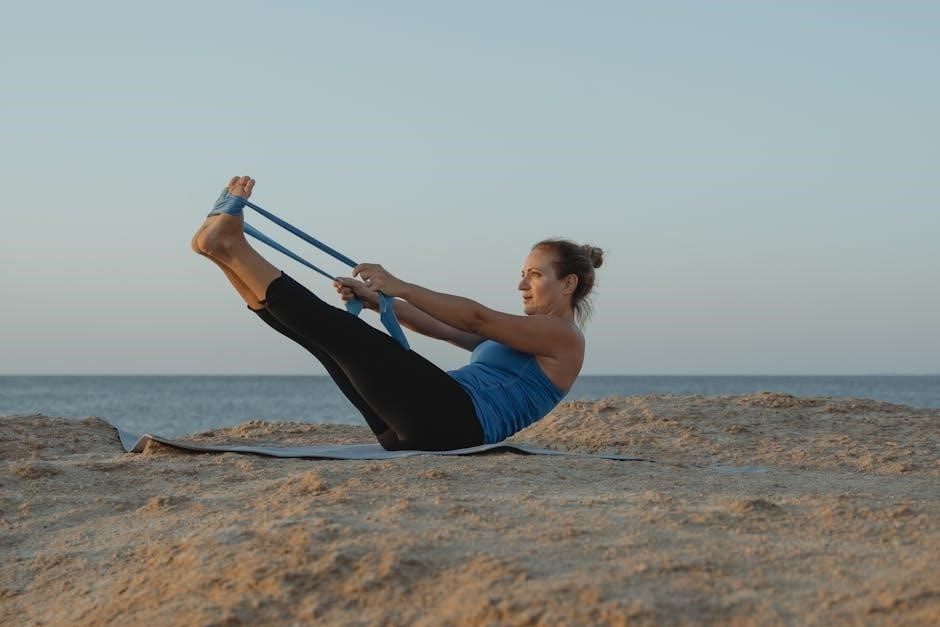
Consistent, controlled movements are vital, avoiding any forceful or jerky motions․ The goal is to restore optimal nerve function and alleviate discomfort․
Step-by-Step Guide to Femoral Nerve Sliders
Begin lying on your back with legs extended․ Gently pull your toes towards your shin, then point your toes away․ Simultaneously, slightly lift your head and shoulder blades off the floor, creating a small chin tuck․ Repeat this sequence ten times, focusing on coordinating the foot and neck movements․
Next, bend one knee towards your chest while maintaining the toe and neck movements․ Slowly straighten the leg, continuing the coordinated motion․ Repeat this ten times on each leg․ Ensure movements are slow and controlled, stopping if any pain arises before 80 degrees of knee flexion․
Remember to breathe deeply throughout the exercise․ This slider aims to mobilize the femoral nerve, reducing tension and improving its glide․
Modifications for Slider Exercises
If full range of motion is limited, begin with smaller movements․ Focus on maintaining the coordination between foot and neck without forcing knee extension․ A slight bend in the knee during the sliding motion can reduce stress․
For those experiencing pain, reduce the range of motion or perform the exercise seated․ Seated sliders involve the same coordinated movements, but with the back supported, minimizing strain․ Ensure pelvis remains stable during the exercise to avoid compensatory movements․
If tightness restricts movement, incorporate gentle quadriceps and hip flexor stretches before performing sliders․ Remember, consulting a physiotherapist is crucial to tailor modifications to your specific needs and ensure safe, effective execution․

Strengthening Exercises
Rebuild strength with targeted exercises! Quadriceps and hip flexor routines—straight leg raises, wall sits, and resistance band work—are vital for femoral nerve recovery․
Quadriceps Strengthening
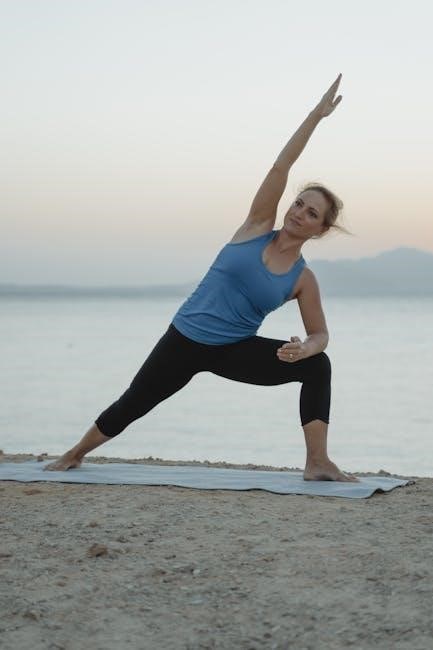
Robust quadriceps are crucial for supporting the knee and alleviating stress on the femoral nerve․ Strengthening these muscles improves stability and function, aiding in overall recovery․ Begin with Straight Leg Raises: lie flat, tighten your quads, and lift one leg, keeping it straight, then slowly lower․
Progress to Wall Sits: lean against a wall, sliding down until your thighs are parallel to the floor, holding the position․ If pain arises before 80 degrees of knee flexion, address potential quadriceps tightness or injury․
Remember, a rehabilitation program focusing on muscular tension reduction can minimize stress on the femoral nerve․ Consult a physiotherapist to ensure exercises are appropriately tailored to your specific needs and recovery stage, preventing further irritation․
Straight Leg Raises
Straight Leg Raises (SLRs) are a foundational exercise for quadriceps strengthening, vital for femoral nerve rehabilitation․ Begin by lying flat on your back with one leg bent and the other extended․ Slowly tighten the quadriceps muscle of the extended leg, lifting it approximately 6-12 inches off the ground․
Maintain a straight leg throughout the movement, focusing on controlled elevation and descent․ Hold the raised position for 3-5 seconds before gently lowering the leg back to the starting position․ Repeat 10-15 times per leg, performing 2-3 sets․
Pay attention to your body; if pain develops, especially before reaching a full extension, modify the exercise or consult a physiotherapist․ This exercise helps restore muscle function and reduce stress on the femoral nerve․
Wall Sits
Wall Sits are an excellent isometric exercise for building quadriceps strength, crucial for supporting femoral nerve recovery․ Stand with your back flat against a wall, feet shoulder-width apart and slightly away from the wall․ Slowly slide down the wall, bending your knees to approximately a 45-90 degree angle – mimicking a seated position․
Ensure your thighs are parallel to the ground and your knees are directly above your ankles․ Hold this position for 20-30 seconds, maintaining a straight back and engaged core․ Repeat 3-5 times, with short rest periods between sets․

If you experience pain, particularly if the pelvis rises, adjust the depth of the sit or consult a physiotherapist․ Wall sits enhance quadriceps endurance and stability․
Hip Flexor Strengthening
Strengthening hip flexors is vital, as weakness can contribute to femoral nerve irritation․ These muscles play a key role in leg movement and postural stability․ Begin with Standing Hip Flexion: slowly lift one knee towards your chest while maintaining an upright posture․ Perform 10-15 repetitions per leg․
Progress to Resistance Band Hip Flexion․ Secure a resistance band around your ankle and attach the other end to a stable object․ Stand facing the anchor point, then lift your leg forward against the band’s resistance․ Repeat 10-15 times on each side․
Focus on controlled movements and avoid arching your back․ A rehabilitation program often incorporates these exercises to reduce stress on the femoral nerve․
Standing Hip Flexion
Standing Hip Flexion is a foundational exercise for strengthening the hip flexors, crucial for femoral nerve rehabilitation․ Begin by standing tall with your feet shoulder-width apart, maintaining good posture․ Slowly lift one knee towards your chest, engaging your hip flexor muscles․ Focus on a controlled, deliberate movement, avoiding any jerking or momentum․
As you lift your knee, keep your back straight and core engaged to prevent excessive arching․ Hold the lifted position briefly, then slowly lower your leg back to the starting position․ Repeat this movement 10-15 times on each leg․
This exercise helps improve hip flexor strength and flexibility, contributing to reduced stress on the femoral nerve․ Remember to consult a physiotherapist for personalized guidance․
Resistance Band Hip Flexion
Resistance Band Hip Flexion enhances hip flexor strength with added challenge․ Secure a resistance band around your ankles or one foot, anchoring the other end to a stable object․ Stand facing the anchor point, maintaining good posture with a slight bend in your standing leg․
Slowly lift your leg against the resistance of the band, focusing on contracting your hip flexor muscles․ Keep your core engaged and avoid leaning forward or twisting your body․ Hold the lifted position for a brief moment, then slowly return to the starting position․
Perform 10-15 repetitions on each leg․ Adjust the band’s resistance to match your strength level․ This exercise is vital for femoral nerve recovery, promoting stability and function․ Always prioritize controlled movements and consult a physiotherapist․

Stretching Exercises
Gentle stretches—quadriceps, hip flexors, and hamstrings—alleviate tension, improve flexibility, and support femoral nerve rehabilitation, reducing tightness and promoting optimal recovery․
Quadriceps Stretch
The quadriceps stretch is crucial for addressing potential tightness contributing to femoral nerve irritation․ Begin by standing tall, holding onto a stable surface for balance if needed․ Gently bend one knee, bringing your heel towards your buttock․
Reach back with the same-side hand and grasp your foot or ankle․ Slowly pull your heel closer to your buttock, feeling a stretch in the front of your thigh․ Maintain a neutral spine and avoid arching your back․
Hold the stretch for 20-30 seconds, breathing deeply․ If you experience pain before 80 degrees of knee flexion, it may indicate a quadriceps injury requiring further assessment․ Repeat 2-3 times on each leg․
Important Note: Avoid overstretching and listen to your body․ This stretch helps improve flexibility and reduce pressure on the femoral nerve․
Hip Flexor Stretch
A tight hip flexor can contribute to femoral nerve compression, making this stretch vital for relief․ Begin in a kneeling position, with one knee on the ground and the other foot flat on the floor in front of you, forming a 90-degree angle․
Gently lean forward, keeping your back straight and core engaged, until you feel a stretch in the front of the hip of the kneeling leg․ Avoid arching your lower back; tuck your pelvis slightly․
To deepen the stretch, you can raise the arm on the same side as the kneeling leg overhead․ Hold the stretch for 20-30 seconds, breathing deeply․ Repeat 2-3 times on each side․
Remember: This stretch aims to lengthen the hip flexors, reducing tension that may impinge on the femoral nerve․ Listen to your body and stop if you feel pain․
Hamstring Stretch
Although seemingly distant, hamstring tightness can indirectly affect the femoral nerve by altering pelvic alignment and increasing tension in surrounding structures․ A simple hamstring stretch involves lying on your back with one leg extended straight up towards the ceiling․
Gently pull the extended leg towards you, keeping your knee as straight as comfortably possible․ You should feel a stretch along the back of your thigh․ Alternatively, you can perform this stretch seated, reaching for your toes․
Hold the stretch for 20-30 seconds, maintaining a relaxed posture and breathing deeply․ Repeat 2-3 times on each leg․ Important note: Avoid bouncing or forcing the stretch, as this can lead to injury․
Focus on a gentle, sustained stretch to improve hamstring flexibility and potentially alleviate contributing factors to femoral nerve irritation․
Recovery and Prevention
Consistent rehabilitation is crucial for long-term relief, alongside physiotherapy guidance․ Proactive exercise and addressing tightness minimizes re-injury, promoting sustained femoral nerve health․
Importance of a Rehabilitation Program
A structured rehabilitation program is paramount for successful femoral nerve recovery, addressing underlying muscular imbalances and reducing nerve compression․ Implementing targeted exercises—like flossing and sliders—alleviates tension and restores optimal nerve mobility․
Progressive strengthening of quadriceps and hip flexors supports nerve function, while consistent stretching improves flexibility and prevents recurrence․ A tailored program, guided by a physiotherapist, ensures exercises are appropriate for individual needs and pain levels․
Ignoring rehabilitation can lead to chronic pain, limited mobility, and increased risk of re-injury․ A proactive approach, focusing on consistent exercise and proper technique, empowers patients to regain function and improve their quality of life, minimizing reliance on pain medication․
When to Consult a Physiotherapist
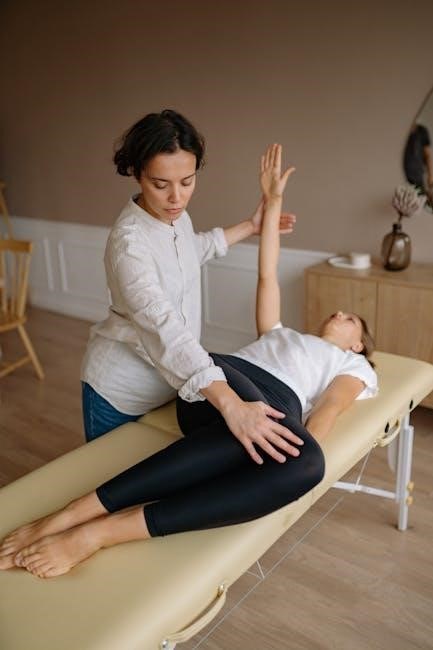
Seeking professional guidance from a musculoskeletal physiotherapist is crucial if you experience persistent femoral nerve pain, numbness, or tingling, especially if it interferes with daily activities․ A physiotherapist can accurately diagnose the cause of your symptoms and develop a personalized rehabilitation plan․
Consultation is recommended before starting any exercise regime, ensuring exercises are best suited to your specific condition and avoiding potential aggravation․ They can assess your biomechanics, identify muscle imbalances, and provide tailored advice on proper technique․
Don’t hesitate to seek help if pain increases during exercises, or if you notice any new or worsening symptoms․ A physiotherapist can modify your program, address any concerns, and guide you towards a safe and effective recovery, optimizing long-term outcomes․