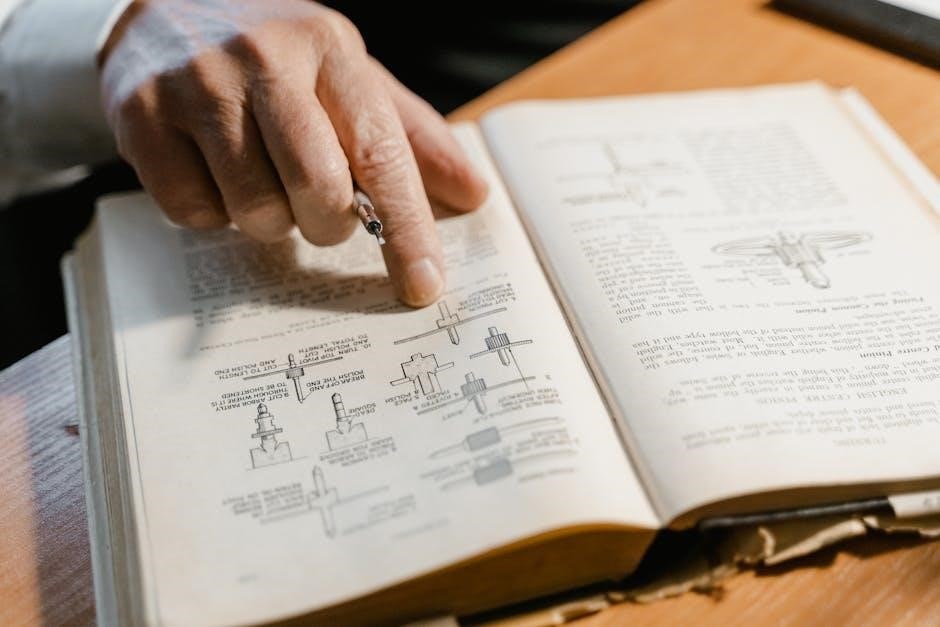
The Church Manual, issued by the General Conference, details Adventist governance and operations, serving as a vital resource for church leaders and members alike․
This comprehensive guide, available in PDF format, outlines procedures for organization, worship, and administrative functions within the Seventh-day Adventist denomination․
Early editions date back to 1932, with the 2022 version representing the most current compilation of policies and best practices for church life․
Purpose and Scope of the Manual
The Seventh-day Adventist Church Manual serves as a foundational document, providing a unified framework for church governance and operational procedures globally․ Its primary purpose is to ensure consistency and clarity in how Adventist churches function, fostering effective ministry and spiritual growth․

The scope of the manual is remarkably broad, encompassing everything from local church organization and membership guidelines to financial management and disciplinary processes․ Available as a PDF, it details the responsibilities of church officers, the operation of committees, and the principles governing worship and activities․
It aims to equip leaders and members with the knowledge necessary to maintain a biblically sound and well-ordered church community, promoting unity and mission effectiveness across all levels of the denomination․
Historical Development of the Church Manual
The Seventh-day Adventist Church Manual didn’t emerge fully formed; its development reflects the evolving needs of a growing denomination․ Initial iterations appeared as early as 1932, issued by the General Conference, addressing the need for standardized procedures․
Over the decades, subsequent editions were released – notably in 1942 – refining and expanding upon earlier versions․ These revisions incorporated lessons learned and adapted to changing societal contexts․ The current 2022 edition, readily available as a PDF, represents the culmination of this ongoing process․
Each update aimed to clarify biblical principles and provide practical guidance for church leadership, ensuring faithful adherence to Adventist beliefs and practices throughout its global network․

Church Organization and Governance
The Church Manual, accessible as a PDF, meticulously outlines the hierarchical structure—local churches, conferences, and the General Conference—governing Adventist affairs․
Local Church Structure
The Seventh-day Adventist Church Manual, readily available in PDF format, details the foundational structure of local churches․ This includes the roles of elected officers – the church elder, clerk, and treasurer – each with specifically defined duties as outlined within the manual․
Furthermore, it clarifies the function of elected committees, assisting in various aspects of church administration and ministry․ The manual emphasizes a collaborative approach, ensuring effective operation and spiritual growth․ It provides guidance on conducting business meetings, maintaining accurate records, and fostering unity among church members․
Understanding this structure, as detailed in the PDF, is crucial for harmonious church governance and fulfilling the church’s mission․
Conference/Mission Structure
The Seventh-day Adventist Church Manual, accessible as a PDF, outlines the organizational framework extending beyond the local church – the Conference or Mission structure․ This level serves as an intermediary between local churches and the General Conference, providing support, resources, and oversight․
The manual details the roles of Conference/Mission officers, including the president and committee members, emphasizing cooperation and counsel in decision-making․ It clarifies how local churches relate to the Conference/Mission, including delegation of authority and financial contributions․
This structure, thoroughly explained in the PDF, ensures coordinated efforts and effective ministry across a wider geographical area․
General Conference Authority
The Seventh-day Adventist Church Manual, readily available in PDF format, clearly defines the authority vested in the General Conference․ As the highest administrative body, it provides overall guidance and direction for the global Adventist Church․
The manual details the General Conference’s role in establishing fundamental beliefs, policies, and standards of conduct․ It outlines the process for revising the Church Manual itself, ensuring ongoing relevance and alignment with biblical principles․
This authority, comprehensively documented in the PDF, ensures unity and consistency across all levels of the Adventist organization worldwide․
Church Officers and Their Duties
The Seventh-day Adventist Church Manual, accessible as a PDF document, meticulously outlines the responsibilities of key church officers․ These include the Church Elder, Clerk, and Treasurer, each with specifically defined duties crucial for effective church administration․
The manual details the Elder’s spiritual leadership, the Clerk’s record-keeping functions, and the Treasurer’s financial oversight․ It provides a framework for conducting business meetings and ensuring accountability․
This PDF resource ensures clarity regarding roles, fostering cooperation and efficient operation within the local church structure, as guided by the General Conference․
Church Elder Responsibilities
The Seventh-day Adventist Church Manual, readily available in PDF format, designates the Church Elder as the spiritual leader of the local congregation․ This pivotal role, as detailed within the manual, encompasses providing spiritual counsel, leading out in worship services, and overseeing the pastoral care of church members․
Elders are responsible for ensuring biblical principles guide all church activities and for fostering unity within the body․ The PDF clarifies their authority, emphasizing a collaborative approach with other church officers․
They also assist in discerning and implementing God’s will for the church․
Church Clerk Functions
The Seventh-day Adventist Church Manual, accessible as a PDF document, meticulously outlines the duties of the Church Clerk․ This crucial administrative role involves maintaining accurate records of all church business meetings, including membership changes, financial transactions, and official decisions․
The PDF emphasizes the Clerk’s responsibility for correspondence, ensuring timely communication with the conference and other organizations․ They also prepare reports as needed and safeguard important church documents․
Accuracy and confidentiality are paramount in fulfilling these essential functions․
Church Treasurer Duties
According to the Seventh-day Adventist Church Manual, readily available as a PDF, the Church Treasurer manages all church finances with utmost integrity․ This includes receiving and accurately recording tithes, offerings, and other income sources․
The PDF details the Treasurer’s responsibility for disbursing funds as authorized by the church board, maintaining detailed financial records, and preparing regular reports for both the church and the conference․
Proper budgeting, financial transparency, and adherence to established procedures are critical components of this vital role․
Elected Committees and Their Roles
The Seventh-day Adventist Church Manual, accessible in PDF format, outlines the structure and function of elected committees within the local church․ These committees assist the church board in various areas of responsibility․
The PDF details committees focused on areas like stewardship, Sabbath school, personal liberties, and nominating․ Each committee has specific duties, assisting with planning, implementation, and evaluation of church programs․
Effective committee work, guided by the Manual, fosters collaboration and shared responsibility in advancing the church’s mission․

Church Membership and Discipline
The Church Manual, in PDF form, details procedures for admission, maintaining, and, when necessary, the biblical discipline of church members․
Admission to Church Membership
The Seventh-day Adventist Church Manual, accessible as a PDF document, meticulously outlines the process for individuals seeking membership․ Prospective members must demonstrate a genuine faith in Jesus Christ and understanding of fundamental Adventist beliefs․
This involves thorough Bible instruction, often through a series of meetings or personal study, ensuring comprehension of core doctrines․ A formal application for membership is required, followed by a vote of the local church board․
Baptism by immersion is a prerequisite for membership, symbolizing a public declaration of faith and commitment to Christ․ The manual emphasizes careful consideration and pastoral guidance throughout the entire process, ensuring a well-informed and spiritually prepared candidate․
Maintaining Church Membership
The Seventh-day Adventist Church Manual, readily available in PDF format, details expectations for continued membership․ Active participation in church life, including regular Sabbath attendance and involvement in church activities, is strongly encouraged․
Members are expected to uphold the church’s teachings and demonstrate a consistent Christian lifestyle․ Financial stewardship, through tithes and offerings, is also considered a vital aspect of maintaining good standing․
The manual emphasizes the importance of spiritual growth through Bible study and prayer․ Regular communication with church leadership and a willingness to serve within the church community are also key components of committed membership․
Biblical Discipline Process
The Seventh-day Adventist Church Manual, accessible as a PDF document, outlines a restorative process for addressing sin within the church community․ This process, rooted in biblical principles, prioritizes reconciliation and spiritual healing․
It begins with private counsel, followed by involvement of church elders if reconciliation fails․ Public rebuke, as a last resort, is detailed, emphasizing humility and a focus on repentance․
The manual stresses careful investigation, fairness, and compassion throughout the entire process․ Dismissal from membership is reserved for unrepentant sin, aiming to protect the church’s testimony and encourage the individual’s return to God․

Worship and Activities
The Church Manual (PDF) guides Sabbath School, Adventist Youth, Bible studies, and Children’s Ministries, fostering spiritual growth through diverse, engaging programs․
Sabbath School Organization
The Seventh-day Adventist Church Manual (PDF) provides detailed guidance on structuring the Sabbath School, a cornerstone of Adventist worship and fellowship․ It outlines roles for superintendents, teachers, and class leaders, emphasizing preparation and engaging lesson delivery․
The manual stresses the importance of age-appropriate classes, catering to diverse learning needs from cradle roll to adult divisions․ It also details procedures for offering, mission emphasis, and promoting a welcoming atmosphere․
Effective Sabbath School organization, as described within the manual, aims to nurture spiritual growth, foster community, and equip members for service, all rooted in biblical principles․
Adventist Youth Society Activities
The Seventh-day Adventist Church Manual (PDF) dedicates significant attention to the Adventist Youth Society, recognizing its crucial role in nurturing young members․ It details suggested programs, emphasizing spiritual development, leadership training, and community outreach․
The manual encourages diverse activities – including Bible studies, service projects, and recreational events – designed to appeal to a broad range of interests․ It stresses the importance of youth leadership, empowering young people to take ownership of their spiritual journey․
These activities, guided by the manual, aim to instill Adventist values and prepare youth for responsible citizenship and eternal life․
Bible Study Methods
The Seventh-day Adventist Church Manual (PDF) strongly advocates for consistent and effective Bible study as foundational to spiritual growth․ It outlines various methods, encouraging both individual and group exploration of Scripture․ These include inductive study, topical studies, and character studies, all aimed at deepening understanding․
The manual emphasizes the importance of using reliable resources, such as commentaries and concordances, while remaining grounded in the biblical text․ It promotes a prayerful approach, seeking divine guidance in interpretation․
Ultimately, the manual views Bible study as a vital component of discipleship․
Children’s Ministries Programs
The Seventh-day Adventist Church Manual (PDF) dedicates significant attention to nurturing children in faith․ It details guidelines for age-appropriate programs, emphasizing a safe and engaging learning environment․ These programs encompass Sabbath School lessons, Vacation Bible School (VBS), and various outreach activities․
The manual stresses the importance of trained leaders who understand child development and can effectively communicate biblical truths․ It advocates for creative teaching methods, incorporating storytelling, music, and crafts․
The goal is to instill a love for Jesus and a desire to serve Him․

Church Finances and Property
The Church Manual (PDF) provides detailed guidance on managing tithes, offerings, budgeting, financial reporting, and responsibly overseeing church property and resources․
Tithes and Offerings
The Seventh-day Adventist Church Manual (PDF) meticulously outlines the biblical principles and practical procedures for handling tithes and offerings․ It clarifies that tithes, representing ten percent of income, are designated for the support of the organized church work, including local conferences and the General Conference․
Offerings, freely given, fund various ministries like missions, education, and benevolent work․ The manual emphasizes accurate record-keeping, transparent financial reporting, and responsible stewardship of these funds․ It details the proper channels for remittance, ensuring accountability at every level of the church organization․
Furthermore, it addresses the ethical considerations surrounding fundraising and the importance of encouraging consistent, cheerful giving among church members․
Budgeting and Financial Reporting
The Seventh-day Adventist Church Manual (PDF) provides detailed guidance on establishing a comprehensive church budget, aligning financial resources with ministry priorities․ It stresses the importance of involving key stakeholders – church board, treasurer, and members – in the budgeting process, fostering transparency and accountability․
The manual outlines specific requirements for financial reporting, including regular audits and submission of reports to the conference․ Accurate record-keeping, utilizing approved accounting methods, is paramount․
It also addresses procedures for handling unexpected income or expenses, ensuring responsible financial management and adherence to established policies․
Church Property Management
The Seventh-day Adventist Church Manual (PDF) dedicates significant attention to the responsible stewardship of church property․ It outlines procedures for acquiring, maintaining, and disposing of real estate and other assets, emphasizing legal compliance and prudent financial practices․
The manual details the roles and responsibilities of those involved in property management, including the church board and designated committees․ It stresses the importance of adequate insurance coverage and regular property inspections․
Furthermore, it provides guidance on building usage agreements and ensuring accessibility for all members and visitors․
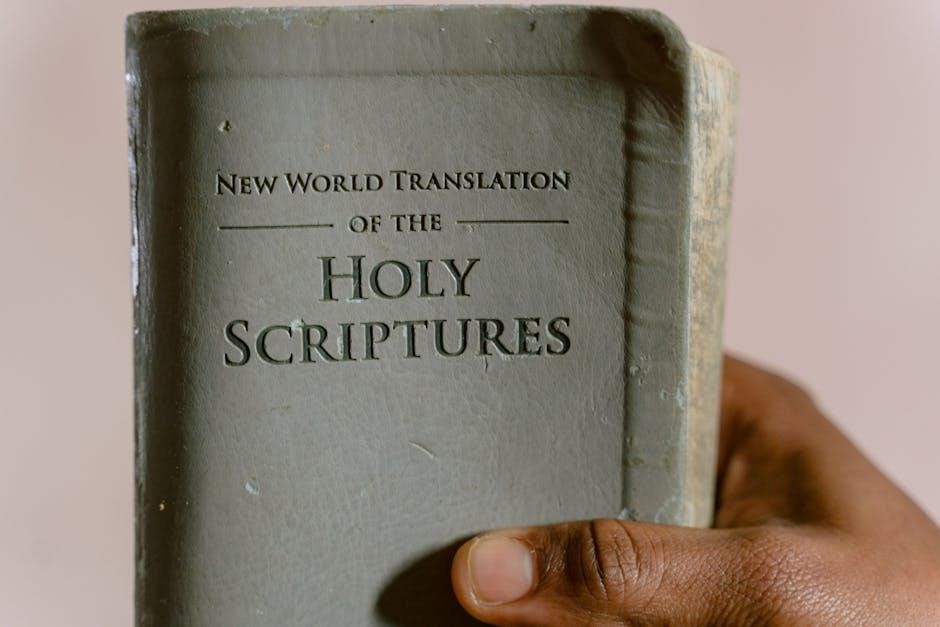
Specific Church Departments & Ministries
The Church Manual (PDF) details various ministries – Family, Deacon, and Secretariat – outlining their functions and collaborative roles within the Adventist church structure․
Family Ministries
The Seventh-day Adventist Church Manual (PDF) dedicates significant attention to Family Ministries, recognizing the family as the foundational unit of society and the church․ This ministry aims to support and strengthen families through various programs and resources․
It emphasizes the importance of biblical principles in family relationships, parenting, and marital fidelity․ The manual provides guidance for establishing effective family-focused initiatives, including marriage preparation counseling, parenting seminars, and intergenerational activities․
Furthermore, it addresses contemporary family challenges, offering counsel rooted in Adventist beliefs․ The goal is to nurture strong, healthy families that reflect Christ’s love and serve as positive influences in their communities․
Deacon Ministry
The Seventh-day Adventist Church Manual (PDF) outlines the crucial role of deacons within the local church structure․ Deacons are appointed to assist the elders in spiritual leadership and practical service to the congregation, embodying Christian compassion and care․
Their duties, as detailed in the manual, include visiting members, assisting with communion services, and providing support to those in need․ Deacons play a vital role in maintaining fellowship and addressing the physical and emotional well-being of church members․
The manual emphasizes the importance of selecting qualified individuals with a servant’s heart for this essential ministry․
Secretariat Functions
The Seventh-day Adventist Church Manual (PDF) comprehensively details the Secretariat’s vital functions within the church administration․ This department, often overseen by a church clerk, manages official records, correspondence, and reports, ensuring efficient communication and organization․
Key responsibilities include maintaining membership records, preparing meeting agendas and minutes, and handling legal documents․ The manual stresses accuracy and confidentiality in all Secretariat operations, supporting the smooth functioning of church governance․
Effective Secretariat work is crucial for accountability and transparency within the Adventist community․

Amendments and Updates to the Manual
The Church Manual undergoes periodic revisions to reflect evolving needs; the PDF version is updated by the General Conference, ensuring current guidance․
Process for Revising the Church Manual
Revising the Seventh-day Adventist Church Manual is a deliberate process overseen by the General Conference․ Proposals for amendments originate from various levels – local churches, conferences, or divisions – and are submitted for consideration;
These proposals undergo thorough review by designated committees, ensuring alignment with biblical principles and the overall mission of the Church․ The PDF document is updated following approval․ Extensive consultation with Adventist leaders globally is integral to this process․
Changes are carefully documented, and the revised manual, often available as a downloadable PDF, is then disseminated to all Seventh-day Adventist entities worldwide, ensuring consistent application of church governance and procedures․
Current Edition Information (2022)
The 2022 edition of the Seventh-day Adventist Church Manual represents the most up-to-date guide for church governance and operations․ Published by the General Conference, it reflects current policies and best practices developed through extensive review and consultation․
This comprehensive resource, readily available as a PDF download, covers a wide range of topics, from church organization and membership to finances and worship․ It serves as a crucial reference for pastors, elders, and all church leaders․
The PDF version ensures easy access and distribution, facilitating consistent understanding and implementation of Adventist principles globally․ ISBN: 9780828029285․