
Salvation Army Donation Items Value Guide ౼ Article Plan (12/09/2025)
Today’s date is 12/09/2025. This guide assists donors in determining approximate tax-deductible values for common Salvation Army donations, utilizing their official value guide resources.
The Salvation Army gratefully accepts donated goods to support its vital community programs; understanding donation values is key for both donors and tax-deductible receipts.
The Importance of Donating to the Salvation Army
Donating to the Salvation Army directly impacts communities by funding essential services like shelter, food banks, disaster relief, and rehabilitation programs. Your gently-used or new items are transformed into resources that provide hope and support to individuals and families in need. Beyond the immediate assistance, donations foster self-sufficiency and empower people to rebuild their lives.
The Salvation Army’s efficient donation processing ensures maximum benefit from each contribution. They prioritize responsible reuse and recycling, minimizing waste and maximizing positive environmental impact. By choosing to donate, you’re not simply decluttering your home; you’re actively participating in a cycle of giving that strengthens communities and offers a pathway to a brighter future for those facing hardship. Supporting them is truly impactful.
Tax-Deductible Donations: A Brief Overview
Donations to the Salvation Army, a qualified 501(c)(3) organization, are often tax-deductible. To claim a deduction, you must itemize rather than take the standard deduction on your tax return. The amount you can deduct depends on the fair market value of the donated items. Maintaining accurate records, including a receipt from the Salvation Army, is crucial for substantiating your claim.
For donations exceeding $250, a written acknowledgment from the Salvation Army detailing the items and their value is required. Utilizing the Salvation Army’s donation value guide provides a reasonable estimate for commonly donated goods. Remember to consult IRS Publication 526 for detailed guidance on charitable contributions and applicable tax regulations. Proper documentation ensures a smooth and compliant tax filing process.
Understanding Fair Market Value for Donations
Determining fair market value is key for accurate tax deductions. It’s the price a willing buyer would pay a willing seller, neither being compelled to act. For donated items, this isn’t necessarily the original purchase price, but rather the current value if sold secondhand. The Salvation Army’s donation value guide offers a helpful starting point, providing low and high estimates for various items.
Consider the item’s condition – new, gently used, or fair – as this significantly impacts value. Online marketplaces can offer insights into comparable sales. Remember, the IRS scrutinizes inflated valuations. Using reasonable estimates based on available resources, like the Salvation Army guide, is vital for a defensible deduction. Accurate valuation ensures compliance and maximizes your tax benefit.
General Guidelines for Determining Donation Value
Accurately assess item condition, compare to current secondhand prices, and utilize the Salvation Army’s value guide for reasonable, tax-deductible estimations.
Condition of the Item: New, Gently Used, or Fair
Determining the condition of your donated items is crucial for establishing fair market value. “New” items, with original packaging and never used, command the highest valuation. “Gently Used” signifies items in excellent working order with minimal signs of wear – these represent the bulk of typical donations.
However, “Fair” condition items, showing noticeable wear and tear, may have significantly reduced value. The Salvation Army considers functionality; a working, but visibly worn, item is still valuable.
Remember, the donation value guide provides ranges, and condition heavily influences where within that range your item falls. Be realistic in your assessment to ensure accurate tax deductions. Honest evaluation benefits both you and the organization.
Original Purchase Price vs. Current Value
While knowing the original price you paid for an item is helpful, it’s not the sole determinant of its donation value. The IRS, and consequently the Salvation Army, requires valuation based on current fair market value – what a willing buyer would pay today.
Depreciation significantly impacts value. A ten-year-old television, even if originally expensive, will be worth far less than its initial cost. The Salvation Army’s donation value guide provides current estimates.
Consider wear and tear. An item’s condition drastically alters its present worth. Don’t inflate the value based on what you originally spent; focus on realistic, current market pricing for similar items in comparable condition.
Utilizing the Salvation Army’s Value Guide
The Salvation Army provides a readily accessible donation value guide, a crucial resource for accurately determining the tax-deductible amount of your contributions. This guide, available on their website (satruck.org/home/donationvalueguide and salvationarmysouth.org/valueguide.htm), offers estimated low and high values for numerous item categories.
Remember, these are estimates. Actual value can fluctuate based on condition and local market factors. The guide covers appliances, furniture, clothing, and household goods.
When using the guide, select the category matching your item and consider its condition (new, gently used, fair) to pinpoint a reasonable value within the provided range. Utilizing this tool ensures fair and accurate tax deductions.
Appliance Donation Values
The Salvation Army’s guide estimates appliance values: Air Conditioners ($20-$90), Washers/Dryers ($45-$90), and Refrigerators/Freezers, varying by condition and type.
Air Conditioners: Value Range
Determining the tax-deductible value of donated air conditioners relies heavily on their condition and type – window unit versus central air components. The Salvation Army’s donation value guide provides a helpful starting point, generally estimating a low value of $20.00 for older, well-used units. However, newer, efficiently functioning window units, or parts from central air systems in good repair, can potentially reach a higher valuation, up to $90.00.
It’s crucial to remember that the final value is subject to IRS guidelines regarding fair market value. Factors like age, brand reputation, and current market demand for similar units will influence the acceptable deduction amount. Always retain documentation supporting your valuation, such as original purchase receipts if available, or comparable sales data from online marketplaces.
Washers & Dryers: Value Range
The Salvation Army’s donation value guide offers a range for washers and dryers, typically between $45.00 and $90.00, depending on condition and type. Standard, older models in fair condition will likely fall towards the lower end of this spectrum. However, newer, energy-efficient front-loading washers or dryers with advanced features can justify a valuation closer to $90.00.
Remember, functionality is key. Units that are fully operational and free of significant damage will command a higher estimated value. As with all donations, maintaining records – like original purchase information or appraisals – is vital for substantiating your tax deduction. Consider the current market for used appliances when assessing fair market value.
Refrigerators & Freezers: Value Range
According to the Salvation Army’s donation guidelines, refrigerators and freezers generally fall within a value range of $20.00 to $90.00 for tax deduction purposes. The lower end of the scale applies to older, basic models in fair working condition. Larger, newer refrigerators – especially those with features like ice and water dispensers – or chest freezers in good repair can be valued closer to the $90.00 mark.
It’s crucial that these appliances are fully functional and clean. Non-working units have minimal value. Documentation supporting the original purchase price or a professional appraisal strengthens your deduction claim. Always check the Salvation Army’s current value guide for the most up-to-date estimates.
Small Kitchen Appliances (Microwaves, Toasters): Value Range
The Salvation Army’s donation value guide estimates small kitchen appliances, such as microwaves and toasters, typically range from $10.00 to $30.00 for tax deduction purposes. Basic toasters and older microwave models generally fall at the lower end of this spectrum. Newer, more powerful microwaves with multiple features, or high-end toasters with specialized settings, can be valued closer to $30.00.
Condition is key; appliances must be clean and fully functional. Broken or heavily damaged items have significantly reduced value. Retaining original packaging or a sales receipt can help substantiate your claimed deduction. Refer to the official Salvation Army website for the most current valuation information.

Furniture Donation Values
The Salvation Army accepts various furniture items, assigning values based on condition and type; beds, sofas, dining sets, and dressers are commonly donated and valued accordingly.
Beds & Mattresses: Value Range
Determining the value of donated beds and mattresses for tax purposes requires considering their condition and type. The Salvation Army’s donation value guide provides a helpful framework. Generally, a gently used single bed frame might fall within the $20 ー $50 range, while a complete queen-sized bedroom set, including a mattress, could be valued between $75 and $200.
However, heavily worn or stained mattresses may have significantly lower values, potentially around $10 ー $30. Box springs typically add $10 ー $25 to the overall value. It’s crucial to remember these are estimates; the actual fair market value depends on local demand and the item’s specific condition. Always consult the official Salvation Army guidelines and retain donation receipts for accurate tax reporting.
Sofas & Loveseats: Value Range
Valuing sofas and loveseats for donation purposes with the Salvation Army hinges on condition and style. A gently used, standard sofa typically falls within the $50 to $150 value range, according to the donation value guide. Loveseats generally assess between $30 and $100. However, larger sectionals or those in excellent condition could reach values of $200 or more.
Significant wear and tear, stains, or damage will substantially decrease the estimated value. Reclining sofas or those with unique features might command a higher price. Remember, these are approximate figures; local market conditions play a role. Accurate record-keeping, including a detailed description and the Salvation Army’s valuation, is essential for tax deductions.
Dining Tables & Chairs: Value Range
Determining the value of dining tables and chairs for Salvation Army donations requires assessing the set’s size, material, and condition. A basic dining table with four chairs generally ranges from $40 to $120 in value, based on the Salvation Army’s donation guide. Larger tables or those made of solid wood can be valued higher, potentially reaching $150-$200.
Individual chair condition significantly impacts the overall value; mismatched or damaged chairs lower the estimate. Complete sets in good condition are more desirable. Remember to factor in style – antique or unique designs may warrant a higher valuation. Maintaining detailed records and utilizing the official Salvation Army value guide is crucial for accurate tax reporting.
Dressers & Chests of Drawers: Value Range
Valuing dressers and chests of drawers for Salvation Army donations depends heavily on size, construction, and condition. A standard three to five-drawer dresser in good, gently-used condition typically falls within the $50 to $150 range, according to the Salvation Army’s donation value guide. Larger, more ornate dressers, or those crafted from solid wood, can reach values of $180 to $250.

The presence of mirrors, unique hardware, or antique features can increase the estimated value. Significant damage, such as broken drawers or extensive scratches, will decrease it. Accurate valuation, supported by documentation and the official guide, is essential for tax purposes.

Clothing & Accessories Donation Values
The Salvation Army accepts gently-used clothing and accessories; value depends on item type, condition, and brand, aiding donors in calculating potential tax deductions.
Men’s Clothing: Value Range by Item Type
Determining the value of men’s clothing donations for tax purposes requires considering the item’s condition and original retail price. Generally, gently-used shirts fall within a $5 to $20 range, while pants and jeans typically value between $10 and $30. Jackets and coats, depending on material and brand, can range from $20 to $75. Suits, if in good condition, may be valued between $50 and $200.
Sweaters generally fall in the $10-$40 range. Remember, the Salvation Army’s donation value guide provides approximate figures. Items with designer labels or in exceptional condition may warrant a higher valuation. Always ensure clothing is clean and free of significant damage to maximize its perceived value and potential tax benefit. Accurate record-keeping is crucial for claiming deductions.
Women’s Clothing: Value Range by Item Type
Estimating the fair market value of women’s clothing donations involves assessing condition and original cost; Blouses and tops typically range from $5 to $20, while skirts and pants generally fall between $10 and $30. Dresses, depending on style and brand, can be valued from $15 to $80. Coats and jackets, similar to men’s wear, range from $20 to $75.
Suits and professional attire can be valued between $40 and $150. Designer items or those in excellent condition may exceed these ranges. The Salvation Army’s value guide offers a helpful baseline. Clean, well-maintained clothing maximizes value. Detailed records, including descriptions and estimated values, are essential for accurate tax deductions.
Shoes & Boots: Value Range
Determining the value of donated shoes and boots requires considering their condition, brand, and original price. Gently used sneakers typically fall within the $10 to $25 range, while dress shoes can be valued between $15 and $40. Boots, depending on material and style (ankle boots, knee-high, work boots), generally range from $20 to $60.
High-end designer shoes or boots in excellent condition may be valued significantly higher, potentially exceeding $100. The Salvation Army’s donation value guide provides a useful reference point. Clean and well-maintained footwear increases its perceived value. Accurate record-keeping, including brand and condition, is crucial for tax purposes.
Accessories (Belts, Hats, Scarves): Value Range
Valuing accessories for Salvation Army donations involves assessing condition and brand. Belts, generally, range from $3 to $10, with leather belts potentially reaching $15 if in excellent condition. Hats, depending on style (baseball caps, winter hats, dress hats), are typically valued between $5 and $20. Scarves, considering material (silk, wool, acrylic), usually fall within the $5 to $15 range.
Designer accessories or those in pristine condition can command higher values. The Salvation Army’s donation value guide offers helpful estimates. Remember to factor in any notable brands or unique features. Accurate documentation of these items is essential for claiming appropriate tax deductions.
Household Goods & Miscellaneous Donations
Diverse items like books, electronics, toys, and home décor contribute significantly to Salvation Army support, with values based on condition and market averages.
Books & Media (DVDs, CDs): Value Range
Determining the value of donated books, DVDs, and CDs requires considering their condition and whether they are current editions. Generally, paperbacks fall within a low value range of $0.50 to $3.00 each, while hardcover books in good condition can be valued between $2.00 and $8.00.
Rare or collectible books may command higher values, but these are typically assessed by specialists. DVDs and CDs typically range from $0.25 to $2.00 per item, depending on popularity and condition.
Sets of books or media often have a slightly increased value compared to individual items. The Salvation Army’s donation value guide provides a helpful reference point, but ultimately, fair market value is key for tax deduction purposes. Remember to accurately assess the condition to maximize your donation’s impact.
Electronics (TVs, Stereos): Value Range
Valuing donated electronics like TVs and stereos can be complex, heavily influenced by age, functionality, and screen size (for TVs). Older CRT TVs generally have minimal value, often under $10. Flat-screen TVs in working condition range from $20 to $150, depending on size and features.
Stereo systems, including receivers, speakers, and CD players, typically fall between $15 and $75, again contingent on condition and brand. Broken or non-functional electronics have limited value, potentially only a few dollars for parts.
The Salvation Army’s donation guide offers a starting point, but researching comparable sales online can help establish fair market value. Ensure all cables and accessories are included to maximize the donation’s worth.
Toys & Games: Value Range
Determining the value of toys and games for Salvation Army donations requires considering condition, age, and popularity. New, unopened toys retain significant value, often close to their original retail price. Gently used toys, like board games with all pieces or well-maintained action figures, typically range from $5 to $20 each.
Vintage or collectible toys can be worth considerably more, potentially exceeding $50, but require careful assessment. Well-loved, but worn, toys have minimal value, perhaps $1 to $5. Completeness is key – incomplete games or toys are worth less.
The Salvation Army’s guide provides estimates, but checking online marketplaces for similar items offers a more accurate valuation.
Home Decor (Pictures, Lamps): Value Range
Valuing home décor items like pictures and lamps for Salvation Army donations depends heavily on condition and style. Framed artwork in good condition can range from $10 to $50, depending on the artist or print. Vintage or antique frames add value. Lamps, functioning with shades, generally fall between $15 and $40, with unique or designer lamps commanding higher prices.
Damaged items – cracked frames, broken lamps – have minimal value, often less than $5. Simple, mass-produced pictures or basic lamps are typically valued at the lower end of the range. The Salvation Army’s donation value guide offers a starting point, but online research can refine estimates.
Resources & Further Information
For detailed guidance, explore the Salvation Army website and donation value guide. Local centers and IRS Publication 526 offer further assistance.
Salvation Army Website & Donation Value Guide Link
The Salvation Army provides a comprehensive online resource for donors seeking to understand the fair market value of their contributions. Their official website, satruck.org, hosts a dedicated Donation Value Guide, readily accessible to the public. This guide offers estimated low and high values for a wide array of commonly donated items, including appliances, furniture, clothing, and household goods.
It’s important to remember these values are estimates and can fluctuate based on condition and local market factors. The direct link to the guide is https://satruck.org/home/donationvalueguide. Utilizing this resource ensures donors have a helpful starting point when determining potential tax deductions, and assists the Salvation Army in efficiently processing donations. Always consult the latest version of the guide for the most current information.
Contacting Your Local Salvation Army for Assistance
For personalized assistance with donation valuation, reaching out to your local Salvation Army is highly recommended. Staff at local Thrift Stores and donation centers possess valuable knowledge regarding current market conditions and item demand within your community. They can offer insights beyond the general guidelines provided in the national Donation Value Guide.
Direct contact allows for clarification on specific items or unique situations, ensuring accurate valuation for tax purposes. You can easily locate the nearest Salvation Army facility through their website or by conducting a local online search. Don’t hesitate to inquire about their specific donation acceptance policies and any local variations in valuation practices. Their expertise is a valuable resource for both donors and the organization.

IRS Publication 526: Charitable Contributions
For comprehensive guidance on deducting charitable contributions, including donations to the Salvation Army, refer to IRS Publication 526. This publication details specific rules and regulations surrounding charitable giving, outlining what records are necessary to substantiate your claims. It clarifies acceptable methods for determining the fair market value of donated items, crucial for accurate tax reporting.
Publication 526 covers topics like noncash contributions, valuation rules, and limitations on deductions. It’s an essential resource for understanding the IRS’s requirements and ensuring compliance. You can download Publication 526 directly from the IRS website (irs.gov) or obtain a physical copy from your local IRS office. Proper understanding of this document is key to maximizing your tax benefits while supporting the Salvation Army.
Keeping Records for Tax Purposes
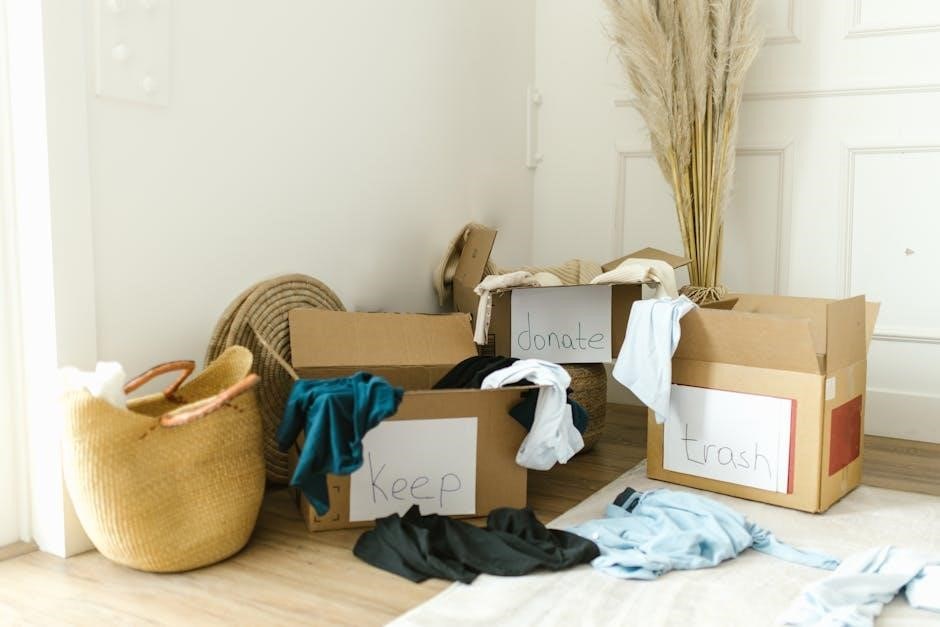
Maintaining meticulous records is paramount when donating to the Salvation Army and claiming tax deductions. A detailed list of all donated items, including descriptions and estimated fair market values, is essential. Retain your donation receipt provided by the Salvation Army as proof of your contribution. For items valued over $500, you’ll need a qualified appraisal.
Documenting the condition of each item – new, gently used, or fair – supports your valuation. Keep records for at least three years from the date you filed your tax return. Organized documentation simplifies the process if your return is ever audited. Accurate record-keeping ensures you receive the maximum tax benefit allowed by law for your generous donations.