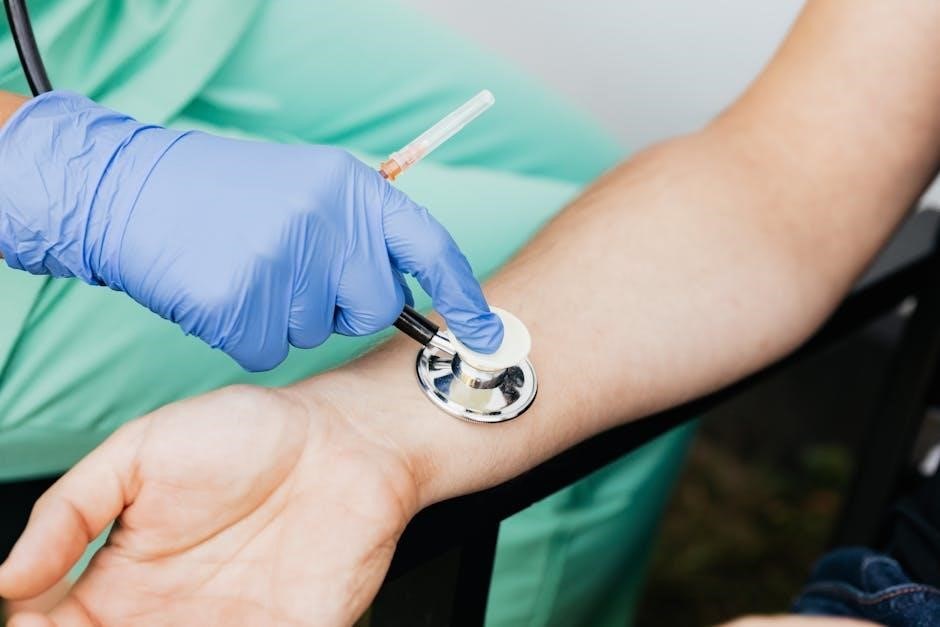
Jarvis Physical Examination and Health Assessment: A Comprehensive Plan
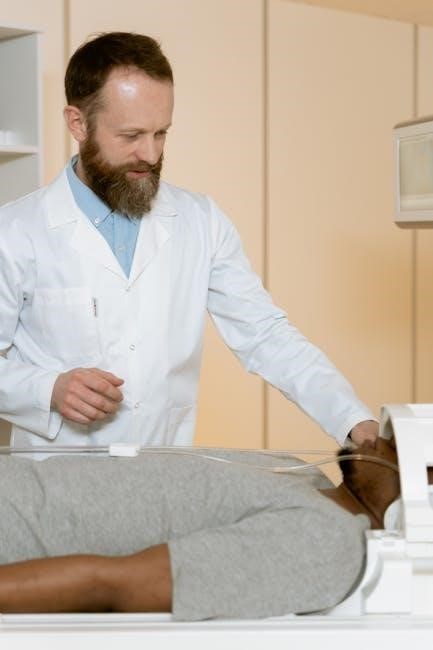
This resource delivers a clear‚ logical‚ and holistic approach to physical exams‚ offering unmatched learning tools for comprehensive patient assessment.
Jarvis’ Physical Examination & Health Assessment‚ now in its seventh edition‚ stands as a cornerstone text for nursing and healthcare students globally. This widely respected resource meticulously guides learners through the intricacies of comprehensive patient assessment.

The textbook distinguishes itself through a uniquely organized structure‚ progressing logically from general to specific body systems. It emphasizes a holistic‚ patient-centered approach‚ encouraging critical thinking and clinical reasoning.
Beyond the foundational knowledge‚ the text is enriched with exceptional visual aids‚ including detailed illustrations and photographs. Furthermore‚ it provides access to supplementary online materials‚ enhancing the learning experience and solidifying practical skills. A Jarvis physical examination and health assessment pdf version is often sought for convenient study.
Core Principles of Health Assessment
Fundamental to the Jarvis approach is the understanding that health assessment is more than just data collection; it’s a dynamic‚ interactive process. Key principles include developing a strong rapport with the patient‚ ensuring privacy and respect‚ and utilizing effective communication techniques.
The text stresses the importance of a systematic and organized approach‚ employing the four cardinal techniques: inspection‚ palpation‚ percussion‚ and auscultation. These techniques‚ when applied correctly‚ yield valuable insights into a patient’s physiological state.
Accessing a Jarvis physical examination and health assessment pdf can aid in mastering these principles. The book emphasizes critical thinking‚ differentiating normal from abnormal findings‚ and documenting accurately.
The Comprehensive Health History
A cornerstone of effective assessment‚ the health history provides the context for physical findings. Jarvis’ text details a thorough approach‚ beginning with biographical data and progressing to the chief complaint – the patient’s primary reason for seeking care.
Detailed exploration of the History of Present Illness (HPI) is crucial‚ utilizing OLDCARTS (Onset‚ Location‚ Duration‚ Character‚ Aggravating/Alleviating factors‚ Radiation‚ Timing‚ Severity) to gather comprehensive information.
Utilizing a Jarvis physical examination and health assessment pdf resource reinforces the importance of open-ended questions and active listening. A complete history also includes past medical history‚ family history‚ and social history‚ painting a holistic picture of the patient’s well-being.
Biographical Data Collection
Initiating the health history‚ biographical data establishes a foundation for patient-centered care. This includes name‚ address‚ date of birth‚ gender identity‚ and occupation. A Jarvis physical examination and health assessment pdf guide emphasizes the importance of respectfully inquiring about preferred pronouns and relationship status.
Cultural background and religious affiliations are also vital‚ influencing health beliefs and practices. Accurate recording of emergency contact information is paramount for safety.
This initial data provides context for subsequent findings and demonstrates respect for the individual‚ laying the groundwork for a trusting patient-provider relationship‚ as detailed within the Jarvis framework.
Chief Complaint Documentation
The chief complaint‚ documented in the patient’s own words‚ is the primary reason for seeking care. A Jarvis physical examination and health assessment pdf resource stresses recording this verbatim‚ using quotation marks to maintain accuracy and patient voice.
It should be concise and focused‚ avoiding medical jargon. Brief elaboration may be necessary for clarity‚ but the original statement remains central.
This initial statement guides the subsequent history and physical examination‚ directing the provider’s focus. Accurate documentation of the chief complaint is crucial for effective communication and appropriate diagnosis‚ as highlighted in Jarvis’s approach.
History of Present Illness (HPI)
The History of Present Illness (HPI)‚ as detailed in a Jarvis physical examination and health assessment pdf guide‚ is a chronological account of the chief complaint’s development. It expands upon the initial reason for seeking care‚ utilizing the OLDCARTS mnemonic – Onset‚ Location‚ Duration‚ Character‚ Aggravating/Alleviating factors‚ Radiation‚ and Timing.
This section requires detailed‚ descriptive questioning to fully understand the patient’s experience.
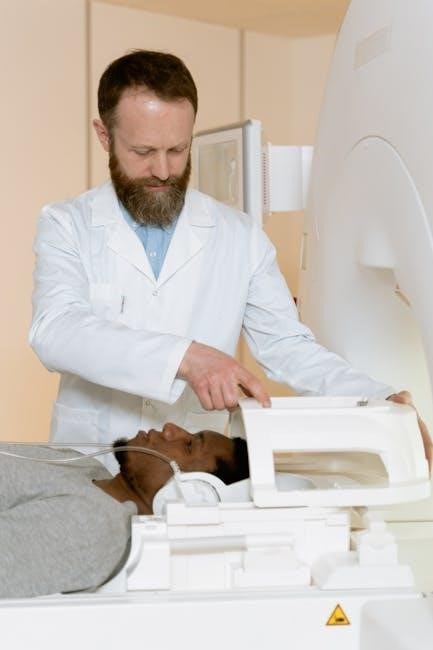
Jarvis emphasizes a systematic approach‚ ensuring all relevant aspects are explored. Accurate HPI documentation is vital for forming a differential diagnosis and guiding further assessment‚ providing a clear narrative of the patient’s condition.
Mental Status Examination
The Mental Status Examination (MSE)‚ as outlined in a Jarvis physical examination and health assessment pdf resource‚ is a systematic assessment of a patient’s cognitive and emotional functioning. It’s a crucial component of a complete health assessment‚ providing insights beyond physical symptoms.
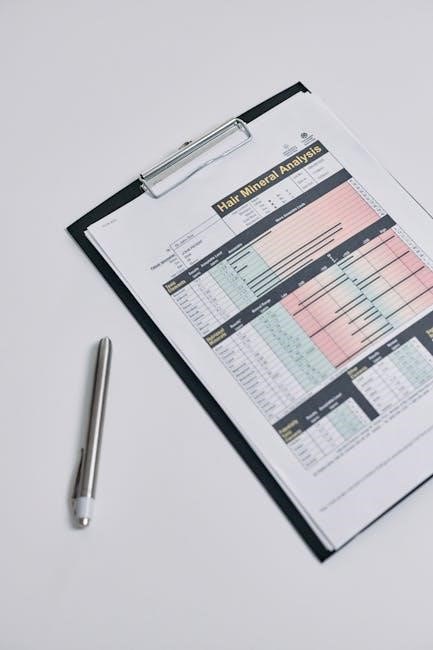
This examination encompasses observations of appearance‚ behavior‚ speech‚ mood‚ and affect.
Further evaluation includes assessing thought process‚ thought content‚ cognition (orientation‚ attention‚ memory)‚ and intellectual function. Jarvis stresses the importance of documenting both objective observations and subjective reports‚ offering a holistic view of the patient’s mental well-being.
Assessment of Appearance and Behavior
As detailed in a Jarvis physical examination and health assessment pdf‚ the assessment of appearance and behavior begins immediately upon meeting the patient. Observe hygiene‚ dress‚ posture‚ and facial expressions. Note any unusual mannerisms or movements.
Behavioral observations include eye contact‚ attitude towards the examiner (cooperative‚ hostile‚ withdrawn)‚ and psychomotor activity (restless‚ agitated‚ slowed).
Document any discrepancies between stated age and apparent age. Jarvis emphasizes that these initial observations provide valuable clues about the patient’s emotional state and potential underlying issues‚ forming a foundation for further assessment.
Speech and Mood Evaluation
According to a Jarvis physical examination and health assessment pdf‚ evaluating speech involves assessing rate‚ rhythm‚ volume‚ and clarity. Note any difficulties in articulation or word finding. Observe for pressured speech or poverty of speech.
Mood is determined by asking the patient to describe how they feel‚ and observing their affect – the observable emotional expression.
Affect should be described in terms of range (flat‚ blunted‚ normal‚ wide)‚ intensity‚ and appropriateness to the situation. Discrepancies between stated mood and observed affect are significant findings‚ warranting further investigation and documentation.
Cognition and Orientation Testing
As detailed in a Jarvis physical examination and health assessment pdf‚ cognition assessment involves evaluating level of consciousness‚ attention span‚ and memory. Utilize questions to assess immediate recall‚ recent memory‚ and remote memory.
Orientation is assessed by determining the patient’s awareness of person‚ place‚ time‚ and situation.
Simple questions like “What is your name?” and “Where are you now?” are used. Cognitive deficits can manifest as confusion‚ disorientation‚ or difficulty with calculations. Document any observed impairments‚ noting their severity and impact on the patient’s functioning.
General Survey
According to a Jarvis physical examination and health assessment pdf‚ the general survey begins the moment you encounter the patient. Observe their overall appearance‚ noting age‚ gender‚ race‚ and level of distress.
Assess hygiene‚ posture‚ and any obvious physical abnormalities. Observe gait‚ and mental status.
Note any odors or signs of illness. This initial observation provides valuable clues about the patient’s health status. Document objective findings‚ such as visible deformities or signs of discomfort‚ and subjective impressions‚ like the patient’s apparent mood.
Vital Signs Measurement
As detailed in a Jarvis physical examination and health assessment pdf‚ accurate vital sign measurement is crucial. This includes assessing temperature‚ pulse‚ respiration‚ and blood pressure.
Utilize appropriate techniques for each measurement‚ ensuring patient comfort and minimizing error. Blood pressure requires a correctly sized cuff and proper arm positioning.
Pulse assessment involves noting rate‚ rhythm‚ and strength. Respiratory rate should be observed without alerting the patient. Document all findings accurately‚ noting any deviations from normal ranges and potential implications for patient health.
Accurate Blood Pressure Techniques
According to a Jarvis physical examination and health assessment pdf‚ achieving accurate blood pressure readings demands meticulous technique. Select the appropriate cuff size – too small yields falsely high readings‚ too large‚ falsely low.
Position the patient comfortably with their arm supported at heart level. Palpate the brachial artery‚ then inflate the cuff until the radial pulse disappears.
Inflate 30 mmHg higher‚ then slowly deflate while auscultating for Korotkoff sounds. Record systolic and diastolic pressures accurately. Repeat on both arms‚ documenting any discrepancies.
Pulse Rate and Rhythm Assessment
As detailed in a Jarvis physical examination and health assessment pdf‚ pulse assessment involves evaluating rate‚ rhythm‚ and amplitude. Palpate radial‚ brachial‚ or carotid pulses‚ noting the beats per minute.
Regularity is crucial; identify any irregularities like premature beats or arrhythmias. Assess pulse amplitude – bounding‚ weak‚ or thready – reflecting circulatory status.
Document findings precisely‚ noting any factors influencing the pulse‚ such as exercise or anxiety. Accurate pulse assessment provides vital clues regarding cardiovascular health and overall patient well-being.
Respiratory Rate and Pattern Observation
According to resources like a Jarvis physical examination and health assessment pdf‚ observing respiratory rate and pattern is fundamental. Count respirations for a full minute‚ noting depth‚ rhythm‚ and effort.
Describe the pattern – normal‚ shallow‚ deep‚ labored‚ or irregular. Observe for use of accessory muscles or nasal flaring‚ indicating respiratory distress.
Document any abnormal sounds like wheezes or crackles. Accurate observation provides crucial insights into oxygenation and ventilation status. This assessment helps identify potential respiratory issues early‚ guiding further investigation and intervention.
Temperature Measurement Methods
As detailed in a Jarvis physical examination and health assessment pdf‚ accurate temperature measurement requires understanding various methods. Oral‚ tympanic‚ axillary‚ and temporal artery routes each have considerations.
Oral temperatures are common but contraindicated post-surgery or with altered mental status. Tympanic is quick but technique-sensitive. Axillary is least accurate‚ useful as a screening tool. Temporal artery provides rapid‚ non-invasive readings.
Document the route used and any factors influencing the reading. Normal ranges vary slightly by method; consistent technique ensures reliable data for assessing a patient’s thermal status.
Skin‚ Hair‚ and Nails Assessment
According to a Jarvis physical examination and health assessment pdf‚ a thorough skin assessment begins with color‚ temperature‚ and moisture. Observe for lesions‚ noting size‚ shape‚ and distribution. Hair assessment includes texture‚ distribution‚ and any signs of alopecia.
Nail evaluation focuses on color‚ shape‚ and capillary refill. Clubbing‚ spooning‚ and pitting can indicate underlying systemic issues. Document any rashes‚ masses‚ or abnormalities. Palpate skin turgor to assess hydration status.
These findings provide crucial clues to overall health and potential diagnoses‚ requiring detailed documentation.
Head‚ Eyes‚ Ears‚ Nose‚ and Throat (HEENT) Examination
As detailed in a Jarvis physical examination and health assessment pdf‚ the HEENT exam begins with skull palpation‚ checking for tenderness or masses. Eye assessment includes visual acuity‚ pupillary response‚ and fundoscopic examination. Assess extraocular movements and conjunctiva for abnormalities.
Ear examination utilizes otoscopy to evaluate the tympanic membrane and ear canal. Nose assessment checks for patency‚ mucosa‚ and septum deviation. Throat inspection assesses tonsils‚ uvula‚ and oral mucosa.
Document any discharge‚ inflammation‚ or lesions‚ as these findings can indicate various conditions.
Respiratory System Assessment
According to a Jarvis physical examination and health assessment pdf‚ respiratory assessment involves a systematic approach: inspection‚ palpation‚ percussion‚ and auscultation. Inspection notes respiratory rate‚ rhythm‚ and effort. Palpation assesses for tactile fremitus – vibrations felt on the chest wall.
Percussion determines underlying lung density‚ identifying areas of resonance or dullness. Auscultation‚ using a stethoscope‚ evaluates breath sounds for clarity‚ pitch‚ and presence of adventitious sounds like wheezes or crackles.
Document any abnormal findings‚ including cough characteristics and sputum production‚ to aid in diagnosis.
Inspection‚ Palpation‚ Percussion‚ and Auscultation
As detailed in a Jarvis physical examination and health assessment pdf‚ these four techniques are crucial for a thorough respiratory evaluation. Inspection begins with observing respiratory effort‚ chest movement symmetry‚ and skin color. Palpation assesses tactile fremitus – vibrations felt while the patient speaks.
Percussion helps determine underlying lung density‚ differentiating between resonance (normal) and dullness (fluid or consolidation). Auscultation‚ using a stethoscope‚ identifies normal breath sounds (vesicular‚ bronchial) and any abnormal sounds like wheezes‚ crackles‚ or rhonchi.
Systematic application of these techniques provides a comprehensive respiratory assessment.
Cardiovascular System Assessment
According to resources like a Jarvis physical examination and health assessment pdf‚ cardiovascular assessment begins with inspection for jugular vein distention and peripheral edema. Palpation identifies the point of maximal impulse (PMI) and assesses peripheral pulses – noting rate‚ rhythm‚ and amplitude.
Auscultation focuses on heart sounds (S1‚ S2)‚ identifying any extra sounds like murmurs‚ clicks‚ or rubs. The assessment evaluates heart rate and rhythm‚ blood pressure‚ and perfusion status.
Detailed documentation of findings is essential for identifying potential cardiovascular abnormalities.
Abdominal Assessment
As detailed in a Jarvis physical examination and health assessment pdf‚ abdominal assessment utilizes inspection‚ auscultation‚ percussion‚ and palpation – in that specific order. Inspection begins by observing for contour‚ symmetry‚ and pulsations. Auscultation assesses bowel sounds in all four quadrants‚ noting frequency and character.
Percussion identifies organ size and detects fluid or masses. Light and deep palpation evaluate for tenderness‚ guarding‚ and rebound tenderness.
Documentation should include findings related to organ location‚ masses‚ and any reported discomfort‚ aiding in the identification of potential abdominal pathologies.
Musculoskeletal System Assessment
According to a Jarvis physical examination and health assessment pdf‚ musculoskeletal assessment begins with observation of gait‚ posture‚ and symmetry of body parts. Palpation assesses muscle strength‚ tenderness‚ and joint stability. Range of motion (ROM) is tested actively and passively‚ documenting any limitations or pain.
Assessments include inspection for deformities‚ swelling‚ and muscle atrophy. Special tests‚ like the Lachman test for ACL integrity‚ may be performed as indicated.
Document findings related to joint movement‚ muscle strength‚ and any pain or limitations‚ contributing to a comprehensive musculoskeletal evaluation.
Neurological System Assessment
As detailed in a Jarvis physical examination and health assessment pdf‚ neurological assessment evaluates mental status‚ cranial nerves‚ motor function‚ sensory function‚ and reflexes. Mental status includes level of consciousness‚ orientation‚ and cognitive abilities. Cranial nerve testing assesses specific functions like vision‚ smell‚ and facial movement.
Motor function is evaluated by observing gait‚ muscle strength‚ and coordination. Sensory testing assesses pain‚ temperature‚ touch‚ and vibration. Deep tendon reflexes are graded on a scale to assess nerve function.
Document any abnormalities in neurological function‚ contributing to a comprehensive neurological evaluation.
Documentation and Reporting Findings
According to a Jarvis physical examination and health assessment pdf‚ accurate and concise documentation is crucial. Findings should be factual‚ objective‚ and organized logically‚ often using narrative charting or standardized forms. Include both normal and abnormal findings‚ detailing specific observations.
Reporting should be timely and communicated effectively to the healthcare team. Use clear‚ concise language‚ avoiding jargon; Ensure confidentiality and adhere to legal and ethical guidelines. Proper documentation supports continuity of care and legal defensibility.
Complete and accurate records are essential for optimal patient outcomes.
Utilizing the Jarvis Textbook for Skill Development
A Jarvis physical examination and health assessment pdf serves as an excellent foundation for mastering physical assessment techniques. The textbook’s step-by-step instructions‚ coupled with visual aids‚ facilitate skill acquisition. Practice each technique diligently‚ utilizing the provided rationales to understand the ‘why’ behind each step.
Supplement textbook learning with hands-on practice‚ seeking feedback from experienced clinicians. Utilize online resources and case studies to enhance critical thinking. Regularly review and refine skills to maintain competency.
Consistent application and self-evaluation are key to becoming proficient.
Common Errors in Physical Examination
A Jarvis physical examination and health assessment pdf highlights potential pitfalls. Common errors include insufficient hand hygiene‚ failing to provide patient privacy‚ and inadequate environmental preparation. Rushing the examination‚ leading to missed findings‚ is frequent. Incorrect stethoscope placement or improper technique during auscultation can yield inaccurate results.
Failing to explain procedures to patients‚ causing anxiety‚ is detrimental. Subjective interpretation without objective data‚ and incomplete documentation‚ are also problematic.
Awareness of these errors‚ coupled with diligent practice‚ minimizes inaccuracies.
Adapting Assessment for Pediatric Patients
A Jarvis physical examination and health assessment pdf emphasizes pediatric adaptations. Approach should be playful and age-appropriate‚ building trust. Examination order differs; listen to the heart and lungs last to minimize distress. Utilize distraction techniques – toys‚ songs – to facilitate cooperation.
Consider growth charts and developmental milestones. Parental presence is crucial‚ but observe parent-child interaction. Equipment requires size adjustments (smaller stethoscopes‚ cuffs).
Communication must be tailored to the child’s understanding‚ fostering a positive experience and accurate data collection.
Adapting Assessment for Geriatric Patients
A Jarvis physical examination and health assessment pdf highlights geriatric considerations. Allow ample time; pace the assessment to avoid fatigue. Ensure patient comfort and privacy‚ addressing any sensory deficits. Speak clearly and slowly‚ using simple language.
Be mindful of chronic conditions and polypharmacy. Assess functional status and cognitive abilities. Modifications may include examining the patient in a seated position or adapting techniques for limited mobility.
Prioritize patient safety and dignity‚ fostering a respectful and collaborative environment for accurate assessment.
Legal Considerations in Health Assessment
A Jarvis physical examination and health assessment pdf emphasizes legal and ethical responsibilities. Accurate and thorough documentation is paramount‚ reflecting objective findings and subjective reports. Maintain patient confidentiality‚ adhering to HIPAA regulations.
Obtain informed consent before any assessment procedure‚ explaining the purpose and potential risks. Practice within your scope of practice‚ recognizing limitations and seeking guidance when needed. Be aware of mandatory reporting requirements for suspected abuse or neglect.
Proper training and competency validation are crucial for legally defensible practice.
Resources and Further Learning (Including PDF Access)

A Jarvis Physical Examination & Health Assessment pdf is often available through educational institutions or for purchase online. Explore the official Elsevier website for textbook companion resources‚ including practice quizzes and case studies.
Numerous online platforms offer supplemental materials and video demonstrations of assessment techniques. Consider utilizing professional nursing organizations’ websites for continuing education opportunities related to physical assessment.
Accessing the Jarvis pdf allows for convenient study and reference. Remember to verify the source’s legitimacy to ensure you have a current and accurate edition.